
Lexington, Nebraska, is known as a beef town. But the closure of its massive Tyson Foods plant is turning it into one of the clearest examples of how food factory layoffs can hit workers, ranchers, grocery prices, and an entire local economy at once.
Tyson Foods permanently closed its beef processing plant in Lexington on January 20, 2026, eliminating more than 3,200 jobs in a city of roughly 10,000 people. The shutdown had been announced two months earlier, on November 21, 2025.
That is not a normal layoff. NPR put it bluntly: nearly a third of Lexington’s population lost their jobs in a single day.
For Lexington, it was the loss of the city’s largest employer and one of the most important economic engines in central Nebraska. The plant had operated for decades and helped shape the town’s identity, workforce, housing market, schools, restaurants, churches, and small businesses.
The numbers show why the closure is so serious.
The Lexington plant could process roughly 5,000 cattle per day — about 4.8% of total U.S. daily beef slaughter. Combined with Tyson’s decision to scale back its Amarillo, Texas facility to a single shift, the moves eliminate about 7-9% of total U.S. beef processing capacity. A University of Nebraska-Lincoln analysis estimates the Lexington closure alone will result in a statewide economic loss of $3.28 billion.
It is also a landmark event in the U.S. meatpacking industry. This is the first time one of the “Big Four” meatpacking companies — Tyson, JBS, Cargill, and National Beef — has permanently closed a major plant during the current cattle supply crunch. When a facility that large shuts down, the impact does not stop at the plant gate. It affects cattle producers, feedlots, truckers, equipment suppliers, local businesses, and grocery shoppers watching beef prices.
Tyson said the decision was tied to tight cattle supplies and the need to “right-size” its beef business. The U.S. cattle herd is at 86.7 million head, the smallest since 1951 — a nearly 75-year low — after years of drought, high feed costs, and ranching pressure. Tyson’s beef business has suffered $1.5 billion in combined operating losses over the past two fiscal years, with the company projecting another $400 million to $600 million in losses for fiscal 2026. When there are fewer cattle available, giant meat plants can become too expensive to run at full strength.
That creates a painful contradiction.
Consumers are paying high prices for beef at the grocery store, while some cattle producers worry about fewer buyers and less competition for their animals. Workers are losing jobs, while meatpackers say they are trying to reduce losses in a difficult beef market.
Not every economist agrees the closure will significantly move prices. David Anderson, a livestock economist at Texas A&M, has said reduced capacity may not have large impacts on cattle prices or grocery beef prices, because tighter herds were already going to keep plants running below capacity anyway.
For Lexington families, though, the national economics are personal.
More than 3,200 workers suddenly had to figure out what comes next. Some may move. Some may commute long distances. Some may try to find work in other food plants or meatpacking facilities. Others may leave the industry entirely. Lexington’s library director Jennifer Norton has warned of a likely “very large exodus of the immigrant population, just because there won’t be jobs right here in town.”
The closure also raises big questions for the town itself.
What happens to housing when thousands of jobs disappear? What happens to schools if families leave? What happens to restaurants, stores, landlords, churches, and local services when the paychecks that supported them are gone?
There is also a sobering precedent. When Tyson closed its Norfolk, Nebraska plant in 2006, the company stripped the facility bare so it could not be reused for meatpacking. Twenty years later, the Norfolk plant remains empty. Lexington officials are hopeful Tyson will help repurpose the Lexington facility, but Norfolk is a reminder that big food companies do not always make it easy.
The bigger food-price question is harder to answer.
Closing a large plant removes processing capacity from the system. That can reshape where cattle are sold, how far they travel, and how much leverage ranchers have. It can also add pressure to a beef industry already dealing with tight supply and expensive retail prices.
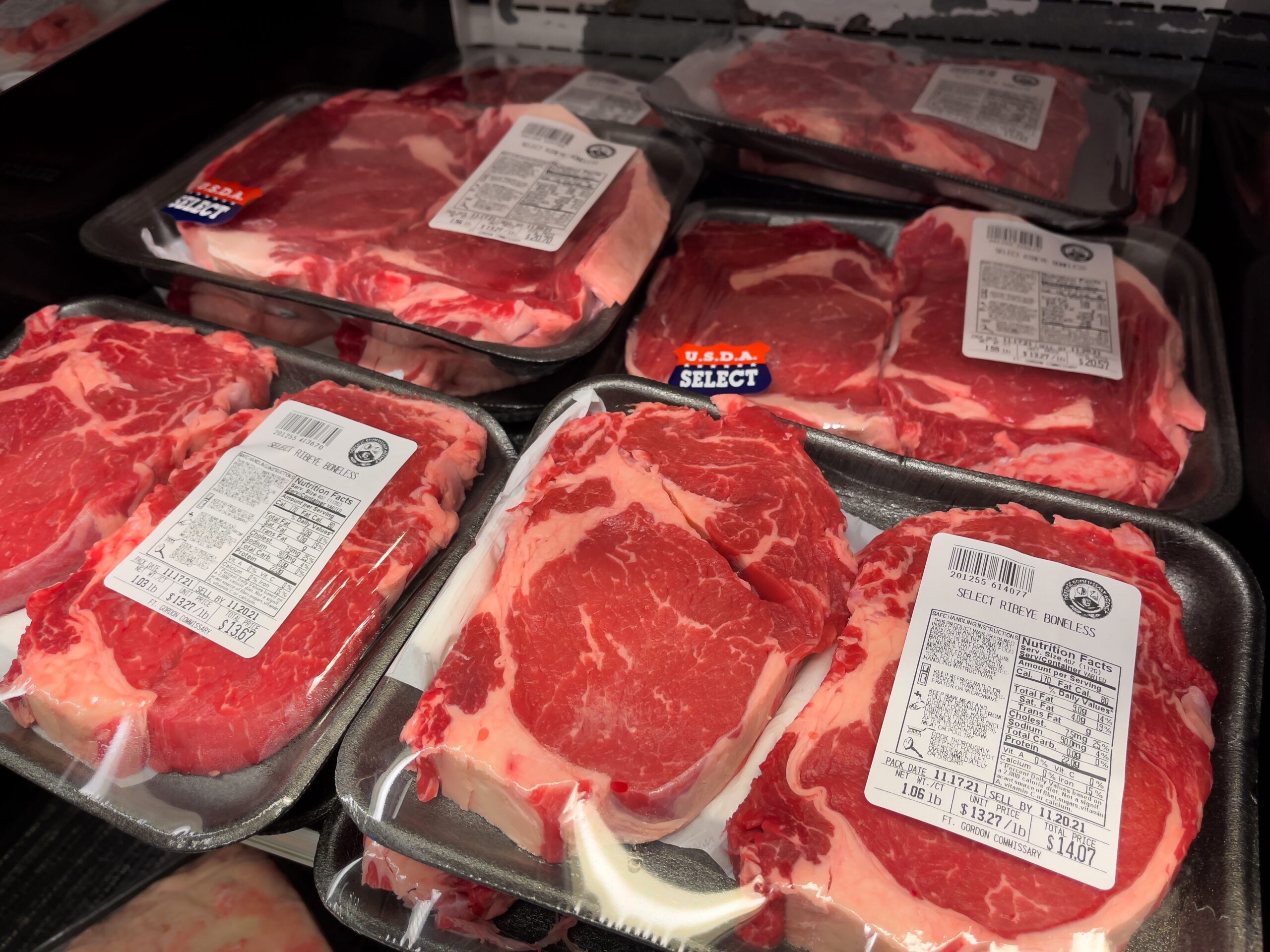
For shoppers, the result may simply look like another painful number on a package of ground beef or steak.
For Lexington, it is much more than that.
It is the end of an era for a Nebraska beef town — and a warning about how fragile the food system can look when one giant plant closes.
Links on this page may be affiliate links, for which the site earns a small commission, but the price for you is the same


Leave a Comment