

It’s been a tough year for North Carolina. Three food and beverage factories announced closures in rapid succession, triggering job losses across multiple counties.
We’re talking hundreds of layoffs, massive economic ripple effects, and tough questions about what’s going on behind the scenes.
Let’s take a closer look at the closures…
Follow The Coconut Mama
• For fun lists, healthy living tips, and bar conversation topics, make sure to follow The Coconut Mama. Click here to access The Coconut Mama’s profile page and be sure to hit the Follow button here or at the top of this article!
• Have feedback? Add a comment below!
Shutterstock

These closures didn’t all come from one struggling company.
They span different industries – baked goods, frozen food, beverages – but the storylines feel eerily similar:
– Consolidation
– Automation
– Slumping demand
– And in some cases, surprise announcements with little warning
For the workers affected? It’s a brutal reminder that no job is ever truly safe.
Shutterstock

One of the state’s biggest names in turkey – Butterball – is closing its slicing plant in Mount Olive by the end of 2025.
Roughly 200 workers will be impacted.
The reason? Butterball says it’s consolidating operations and upgrading other facilities to be more efficient. That’s corporate speak for: fewer jobs, more machines.
Shutterstock
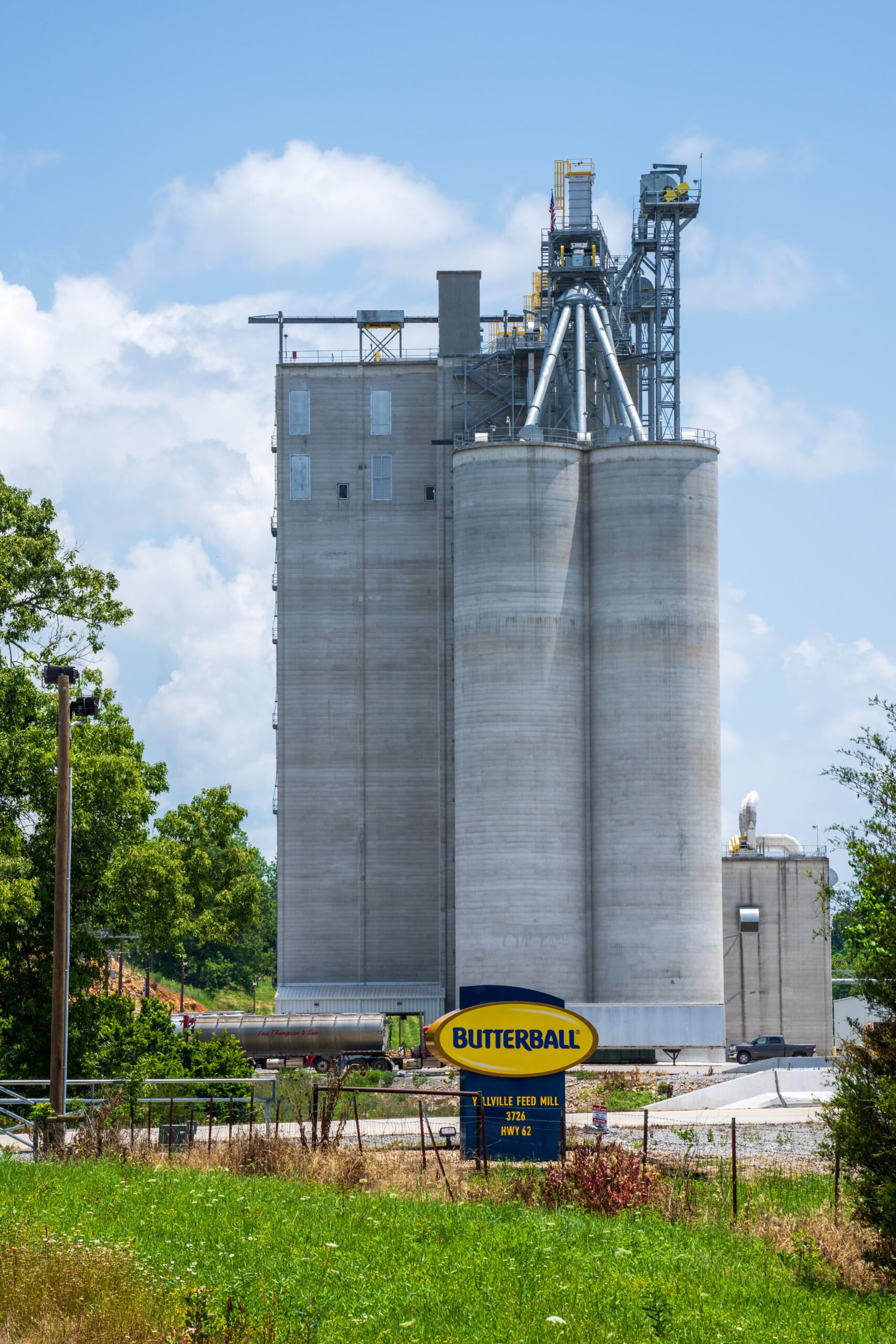
Butterball has deep roots in North Carolina. It’s headquartered in Garner and employs thousands statewide.
So when they start trimming facilities? It sends a message.
This isn’t just about cost-cutting. It’s about an evolving food system where even legacy processors are rethinking how much labor they really need.
Shutterstock

Over in Lenoir, Carolina Food Processors filed notice to shut down its entire facility, costing 123 workers their jobs.
This plant specialized in frozen fruits and vegetables, much of it for private-label brands you’ve probably seen at the grocery store.
Closure date? August 16, 2024. And just like that… the jobs vanish.
Shutterstock

Demand for frozen foods surged during COVID, but it’s cooled off significantly.
That’s led to excess inventory, price pressure, and fewer contracts for processors like Carolina Food.
Some experts say inflation has also played a role as shoppers are ditching convenience meals and returning to basics, leaving middle-market suppliers exposed.
Shutterstock

Here’s one you might’ve missed.
Thomasville Specialty Beverages – a small but long-running bottling operation – shut down at the end of summer 2024.
Dozens of workers were out, and local beverage brands were left scrambling to find new production partners.
Shutterstock

This facility was a co-packer, meaning it produced beverages for multiple niche and regional labels – everything from craft sodas to enhanced waters.
These small brands often rely on local bottlers for fast turnarounds and flexible batch sizes.
With Thomasville gone, the whole regional beverage scene just got a lot more fragile.
Follow The Coconut Mama
• For fun lists, healthy living tips, and bar conversation topics, make sure to follow The Coconut Mama. Click here to access The Coconut Mama’s profile page and be sure to hit the Follow button here or at the top of this article!
• Have feedback? Add a comment below!
Shutterstock

When a food plant closes, the effects ripple outward:
– Local lunch spots lose foot traffic
– Town budgets shrink from lost tax revenue
– Small suppliers lose contracts
– And schools lose donors and sponsors
Shutterstock

Let’s be honest: some of these closures aren’t just about money.
They’re about machines.
Today’s food factories don’t need the same number of workers. A modern frozen-meal line or beverage filler can run with a fraction of the staff.
It’s faster. Cheaper. Scalable. But also? Devastating for local jobs.
Shutterstock

We’re seeing a perfect storm:
– Food inflation has slowed demand
– Labor costs have gone up
– Companies are streamlining operations
– Supply chains are still stabilizing post-pandemic
Add all that up, and North Carolina’s food sector is in flux, especially for mid-size producers.
Shutterstock

North Carolina has a long legacy in food manufacturing, like pork, poultry, produce, and processed goods.
But that legacy is changing.
Companies like Smithfield and Mount Olive Pickle are still active, but the space is more volatile than ever.
Shutterstock
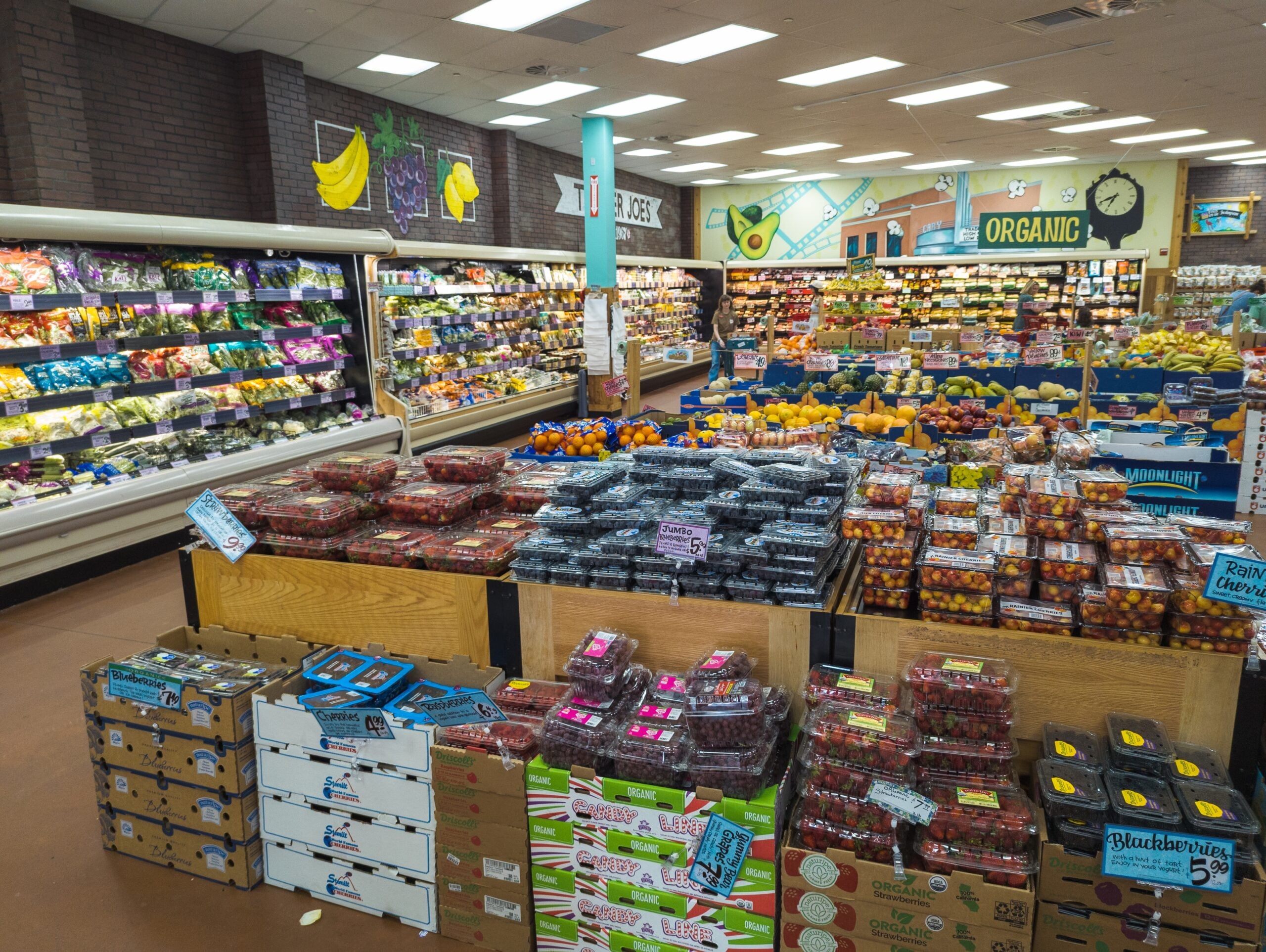
Factory closures don’t always lead to empty shelves, but they can cause:
– Fewer local products in stores
– Higher prices for niche or regional brands
– Less competition
– And slower supply if replacements take time
If your favorite drink or frozen veggie disappears… this might be why.
Shutterstock

These aren’t just isolated cutbacks. They’re part of a bigger shift in how food gets made in America – less hands-on, more automated, and built for scale.
North Carolina’s food economy is still strong overall. Big names like Smithfield and Mount Olive Pickle are still running.
But if you live in Mount Olive, Lenoir, or Thomasville? It sure doesn’t feel that way.
For those towns, this feels like the food industry is moving on, and leaving them behind.
Shutterstock
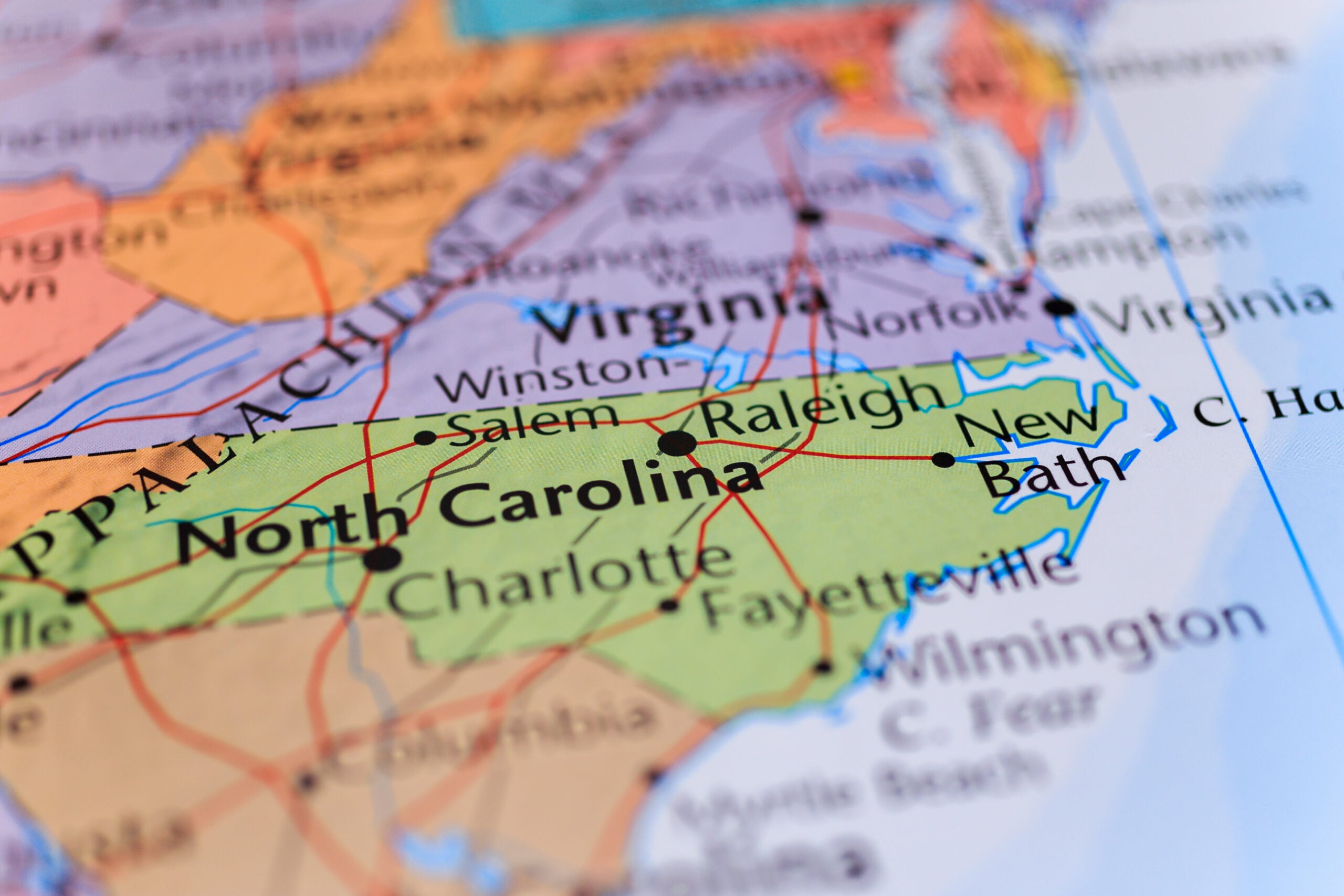
Three factory closures. Hundreds of jobs lost. All announced within the past 14 months.
That’s a fast unraveling for one state’s food sector.
If you’re feeling the effects in your town, your store, or your pantry… you’re not imagining it.
So, what do YOU think?
Are closures like these happening near you? Have you noticed changes in your grocery store, or in your job market?
Drop your thoughts in the comments!
Shutterstock


Leave a Comment