In just the past few months, Ohio has seen three major food-related factory closures or major layoffs – and they weren’t small-town mom-and-pop operations.
We’re talking about major employers. Hundreds of jobs. Gone.
From frozen food giants to snack makers with decades of history in the state, the fallout has been fast and unforgiving.
Let’s get into what happened…
Follow The Coconut Mama
• For fun lists, healthy living tips, and bar conversation topics, make sure to follow The Coconut Mama. Click here to access The Coconut Mama’s profile page and be sure to hit the Follow button here or at the top of this article!
• Have feedback? Add a comment below!
Shutterstock
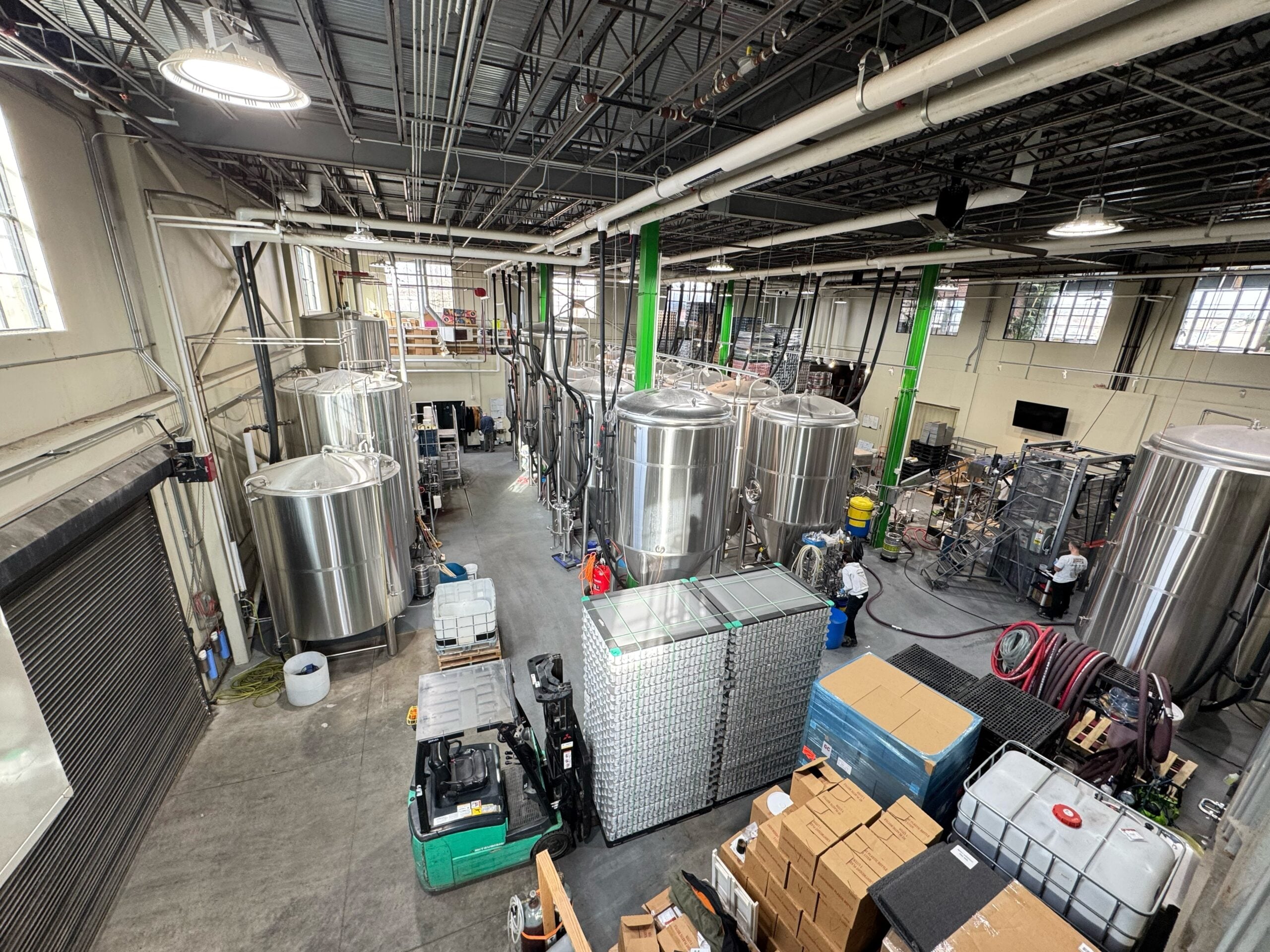
Before we get into the closures themselves, here’s the bigger picture:
– Food companies are downsizing.
– Private-label brands are taking market share.
– And automation is reshaping what “factory work” even means.
Ohio, with its deep industrial roots and long ties to the food industry, is right in the crosshairs.
Shutterstock

Let’s start with the biggest.
Nestlé (yes, that Nestlé) is revamping operations at its Solon factory, which makes Lean Cuisine and Stouffer’s frozen meals.
Over 200 workers were laid off.
Here are details conveyed to us from a Nestle spokesperson:
“In January 2024 we optimized our manufacturing network and shifted production of from our Solon factory to other sites in our U.S. network. The Solon factory now runs lines dedicated to our Out-of-Home business. This change impacted 216 employees. Nestlé remains committed to Ohio with more 3,000 employees across 9 facilities including: Nestlé USA’s corporate campus and factory, a Nestle Professional factory, two Purina factories, a Nespresso boutique, a sales office, quality assurance lab and R&D center.”
Shutterstock

Harvest Sherwood wasn’t just another food distributor – they were one of the biggest independent players in the U.S. supply chain.
They went from pulling in over $4 billion a year to filing for bankruptcy earlier this year.
Their Maple Heights facility shut down, cutting 273 jobs in Ohio, which was part of a total collapse that wiped out 1,500 jobs nationwide.
And it didn’t unravel slowly. This thing fell apart practically overnight.
Shutterstock

For years, Sprouts had been one of Harvest Sherwood’s biggest customers – especially for tray-pack chicken.
But behind the scenes they’d been working on building their own distribution network. More control. Less reliance on third-party suppliers.
By February, they were done. Sprouts cut off all chicken orders overnight. That left Sherwood holding a ton ($25 million) in unsold fresh meat with nowhere to send it.
And that was the final blow.
Shutterstock

Post Holdings – the company behind Raisin Bran, Honey Bunches of Oats, and Fruity Pebbles – closed its cereal plant in Lancaster, Ohio back in September 2024.
Around 200 workers lost their jobs. The company called it part of a “network optimization,” but for Lancaster, it was the loss of a major employer.
Even cereal (which seems recession-proof) wasn’t safe.
Shutterstock

The Lancaster site was one of the oldest in Post’s network and hadn’t received modern upgrades.
Instead of pouring money into costly upgrades, the company decided to move production to more modern facilities in Battle Creek, Michigan and Jonesboro, Arkansas.
Those modern sites are bigger, faster, and equipped with automation. Post says the move will save them up to $25 million a year.
Follow The Coconut Mama
• For fun lists, healthy living tips, and bar conversation topics, make sure to follow The Coconut Mama. Click here to access The Coconut Mama’s profile page and be sure to hit the Follow button here or at the top of this article!
• Have feedback? Add a comment below!
Shutterstock

There’s a lot going on under the surface:
– Inflation has driven up the cost of ingredients, packaging, and shipping.
– Consumers are price-sensitive, especially with groceries.
– Retailers are pushing private-label alternatives harder than ever.
– And companies are under pressure to deliver higher margins.
So, factories are consolidating. Older facilities are closing. And the Midwest (once the backbone of American manufacturing) is bearing the brunt.
Shutterstock
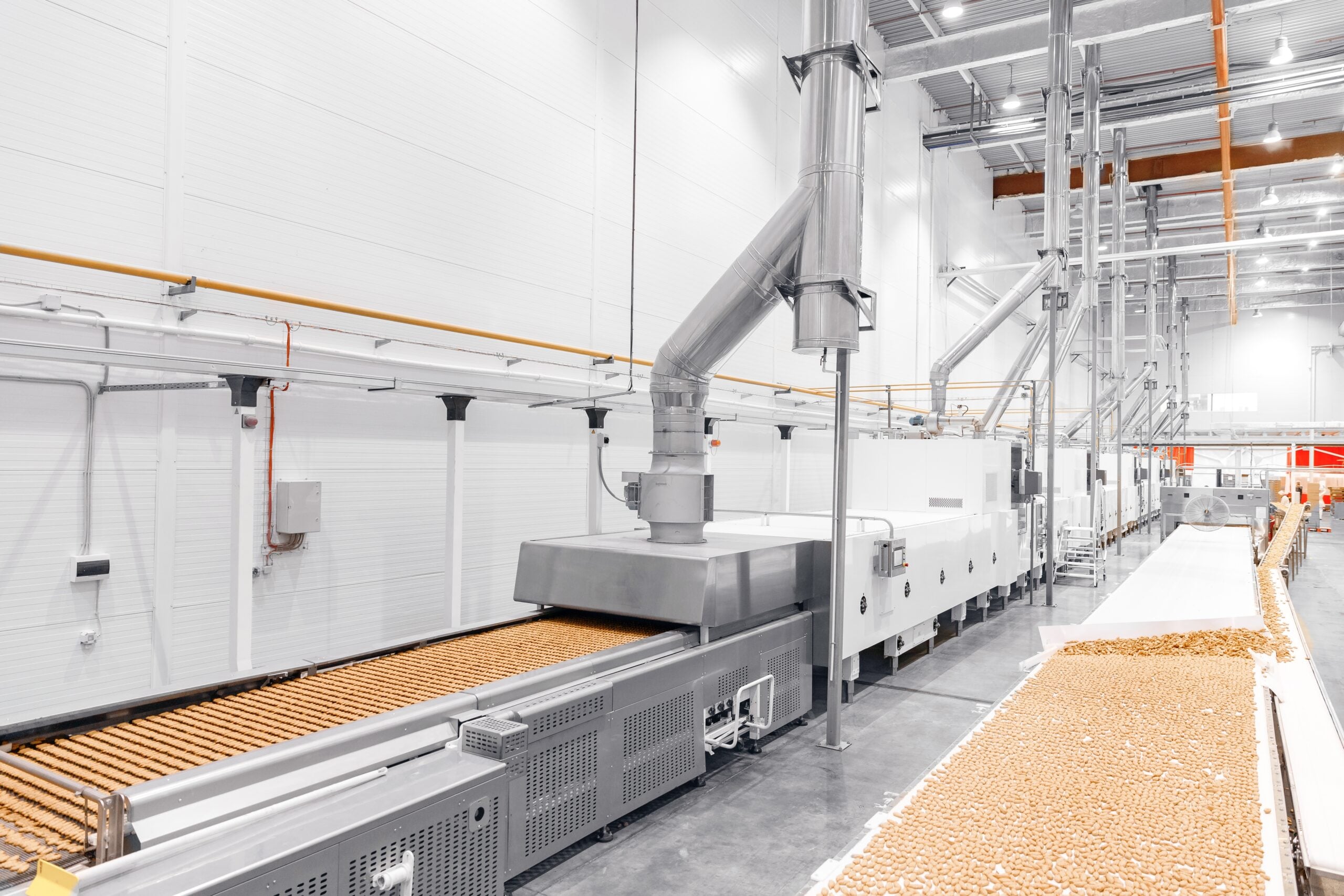
Let’s be honest: These closures are absolutely about money, but it’s HOW the money is being spent that’s changed.
Today’s food factories don’t need nearly as many workers. A modern frozen-meal line can run with a fraction of the staff it used to.
It’s faster, more scalable, and more efficient – but it comes at a human cost.
Shutterstock

When a food plant shuts down, it’s not just the workers who feel it.
– Local restaurants lose lunch traffic.
– Towns lose tax revenue.
– Vendors lose supply contracts.
– Schools and services see budget hits.
It’s a domino effect that reshapes the entire local economy.
Shutterstock

Ohio isn’t new to factory closures, but these recent hits are especially painful because they’re happening in a sector that once felt stable.
Food manufacturing isn’t going away, but it is changing. And Ohio is now forced to adapt.
That means fewer traditional jobs, and more pressure to retrain and re-skill workers in new areas like logistics, automation, and tech-enabled production.
Shutterstock

Will prices go up?
Maybe not directly… but availability could shift. Your favorite frozen meals might be made further away, or replaced by cheaper private-label options.
This isn’t just about jobs. It’s about choice, convenience, and what the grocery aisle will look like in five years.
Shutterstock

Ohio is far from alone.
California, Georgia, Michigan, and Pennsylvania have all reported major food factory closures in the past year.
It’s a national pattern – one that raises questions about what kind of manufacturing future we want.
Shutterstock

Three closures. Hundreds of jobs lost. All in one state.
If things feel different – at your store, in your town, or in your pantry – you’re not imagining it.
So… what do YOU think?
Are closures like these hitting your area? Noticing fewer options on shelves, or fewer jobs in your community?
Drop your thoughts in the comments. We want to hear from you.
Shutterstock