

Red foods aren’t just pretty to look at; they’re packed with good stuff for your health, too. From bright red tomatoes to the rich color of strawberries, let’s look at 50 red foods that will be a big hit at any themed party. Stick with us to find out why throwing some red on your plate is a smart move.
Red Foods – Alphabetized
Below is a chart of 50 red foods arranged alphabetically for easy reference. Brief descriptions of each item are included under the chart.
| Ajvar | Baked Beans/Boston Beans | Beets | Berries | Blood orange |
| Borscht | Bruschetta | Cherry | Chilli Con Carne | Cranberry Sauce |
| Gazpacho | Gochujang | Goji Berries | Ketchup | Kidney Bean |
| Lobster | Lychee | Mulberries | Paprika | Pepperoni |
| Pomegranate | Radishes | Raspberry | Red Apples | Red Bananas |
| Red Cabbage | Red Carrots | Red Chili Flakes | Red Curry | Red Fleshed Peaches |
| Red Grapes | Red Kale | Red Lentils | Red Meat | Red Onions |
| Red Peppers (Bell Peppers) | Red Pesto | Red Potato | Red Quinoa | Red Rice |
| Red Velvet Cake | Rhubarb | Saffron | Salsa | Shakshuka |
| Spaghetti with Red Sauce | Sriracha Sauce | Strawberry | Tomato | Watermelon |
Red Foods – List
Here are 50 red foods!
Ajvar

Ajvar is a condiment that originated from Yugoslavia after World War II. Made from sweet bell peppers and eggplants, this relish offers variations like sweet, piquant, or hot based on pepper types. Commonly used as a spread or side dish, its taste ranges from mild and fruity to sharp and spicy, sometimes mixed with tomatoes or farmer cheese. Despite its oil content, ajvar is predominantly vegetable-based and pairs well with kebabs.
Baked Beans/Boston Beans

Baked beans are a classic dish made with white common beans, parboiled and cooked in sauce. In the US, they’re slowly baked at low heat, while canned ones are steam-cooked. Boston baked beans stand out for their molasses-based sauce, while regular baked beans use brown sugar and corn syrup. Originally, a touch of pork was in the mix, but during World War 2, they went vegetarian due to meat shortages.
Beets

Beets, the taproot of a beet plant, go by “beetroot” in British English and “beets” in North America. They are also known as table beet, garden beet, or golden beet. Fans love their sweet, slightly floral taste, while skeptics might describe it as earthy if they are being generous or “tastes like dirt” if not. Beets’ flavor also varies with cooking methods. With numerous varieties, beets pack nutrition for brain, heart, and digestion health, aiding athletic performance, reducing inflammation, and potentially slowing cancer growth. Enjoy beets roasted, grilled, microwaved, steamed, boiled, or air-fried—experiment with cooking techniques to suit your taste!
Berries

Berries are small, juicy fruits with no stones, like strawberries, raspberries, currants, and gooseberries. They can be enjoyed fresh, frozen, or dried in various dishes like berry desserts, oatmeal, and smoothies. Berries are super healthy, low in calories, and packed with fiber, vitamin C, and antioxidants. They’re great for heart health, helping with blood pressure and cholesterol, and reducing oxidative stress.
Blood Orange

The blood orange stands out with its crimson flesh, earning its name from the deep red hue. This sweet orange variant, also known as the raspberry orange, is rich in anthocyanins – antioxidants known for fighting cancer. With a flavor reminiscent of navel oranges but with a floral and tangy twist, they’re sweeter and less acidic. Some liken the taste to raspberries. Beyond snacking, blood oranges elevate desserts like cakes, panna cottas, ice creams, and sorbets. Its complex taste and health benefits make it a delightful addition to any kitchen, offering a unique citrus experience.
Borscht

Borscht, a sour soup from Eastern Europe and Northern Asia, features meat stock, vegetables, and seasonings. The Ukrainian version uses red beetroots for its signature red hue, offering a warm, sweet, and sour flavor combination. Enjoy borscht with Pumpernickel or rye bread, meat, salads, dairy, grains, potato, and hard-boiled or deviled eggs.
Bruschetta

Bruschetta, a classic Italian starter, consists of grilled bread rubbed with olive oil and salt and topped with tomatoes, veggies, beans, meats, or cheese. In Italy, a brustolina grill is commonly used for this dish. It’s fresh, savory, and bursting with flavor, similar to Margherita pizza, sharing ingredients like tomato, basil, and mozzarella. For a tangy twist, add balsamic vinegar. To spice it up, try lime zest and dried chili peppers. Spread goat cheese on toasted baguette slices or crumble queso fresco on top. For a vegan option, swap goat cheese for avocado!
Cherry

Cherries, the fruits of various Prunus plants, come in sweet (Prunus avium) and sour (Prunus cerasus) varieties. Bursting with a sweet-tart flavor, these glossy red treats are hard to resist – you start with one and end up eating the whole bowl. A summer favorite, cherries add a delightful touch to homemade pies, salads, pancakes, and more. Their rich, subtle sweetness elevates dishes from glazed chicken wings to oatmeal.
Chilli Con Carne

Chili con carne, translating to “chili with meat,” is a zesty stew originating from northern Mexico. This spicy concoction features chili peppers, tomatoes, meat, and sometimes pinto or kidney beans, infused with flavors like garlic, onions, and cumin. Whether simmered quickly for a speedy meal or slow-cooked for melt-in-your-mouth beef and a rich sauce, it’s a winner. Serve it over rice or corn chips for dipping, or pair it with cornbread for a cozy Southern vibe. Texans insist on no beans, no ground beef, and only whole dried chilis for the real deal!
Cranberry Sauce

Cranberry sauce, also known as cranberry jam, is a classic condiment enjoyed at Thanksgiving in North America and Christmas in the UK and Canada. The sauce varies in flavor by region, with European versions leaning sour and North American ones more sweetened. Cranberries are naturally bitter and tart, so sugar is added for balance. With just cranberries, water, and sugar, this sauce is simple yet delicious. Its sweetness complements the dryness of turkey, making them a tasty pair.
Gazpacho

Gazpacho, a traditional cold Spanish soup, is a go-to refreshment on scorching summer days. This dish typically consists of fresh tomatoes, cucumbers, red onion, and garlic, and is often considered a salad in Spanish culinary books. Gazpacho variations categorized by color include red (with tomatoes), white (sans tomatoes, with dried fruits), and green (white base with added spices for a green hue). This chilled soup’s versatility and flavors cater to diverse palates, making it a popular choice for warm weather.
Gochujang

Gochujang, a Korean red chili paste, brings a savory, sweet, and spicy kick to dishes. Crafted from gochu-garu, rice, meju powder, yeotgireum, and salt, it boasts a thick, sticky texture. The heat level varies based on the pepper type used, ranging from medium to fiery. Enjoy it as a baste for chicken wings or ribs, in soup broths, or as a marinade for dishes like Korean bulgogi. This fermented condiment adds depth to dipping sauces and stews, making it a must-have for flavor enthusiasts exploring Korean cuisine.
Goji Berries

The goji berry, also known as wolfberry, is a sweet fruit from either Lycium barbarum or Lycium chinense, both from the nightshade family. While most varieties are similar, they differ in taste and sugar content. Think tart and sour, like cranberries with an herbal hint. Dried goji berries should be chewy yet slightly soft. Fresh ones are less tart, more like tomatoes. Use dried goji berries in sweet and savory dishes like raisins – in cookies, on oatmeal, in trail mix, or as a snack.
Ketchup

Ketchup, also known as catsup, is a sweet and tangy table condiment. Originally made with ingredients like mushrooms, oysters, and grapes, tomato ketchup is the modern favorite. Its name likely comes from the Chinese word kê-tsiap, meaning fish sauce. While we often enjoy it on burgers and hot dogs, ketchup can spice up various dishes. Try a dollop in baked beans or a chicken marinade, mix it into pasta sauce for extra flavor, or use it to glaze ribs.
Kidney Bean

Kidney beans, aptly named for their kidney shape, offer a slightly sweet flavor and soft texture when cooked. Their rich, dark red color holds up well in dishes like chili, refried beans, and cold salads. Versatile and nutritious, kidney beans can elevate salads, soups, side dishes, and pastas. Try mixing them with green and wax beans for a classic three-bean salad, or spice them up with chili powder for a hearty vegetarian chili.
Lobster
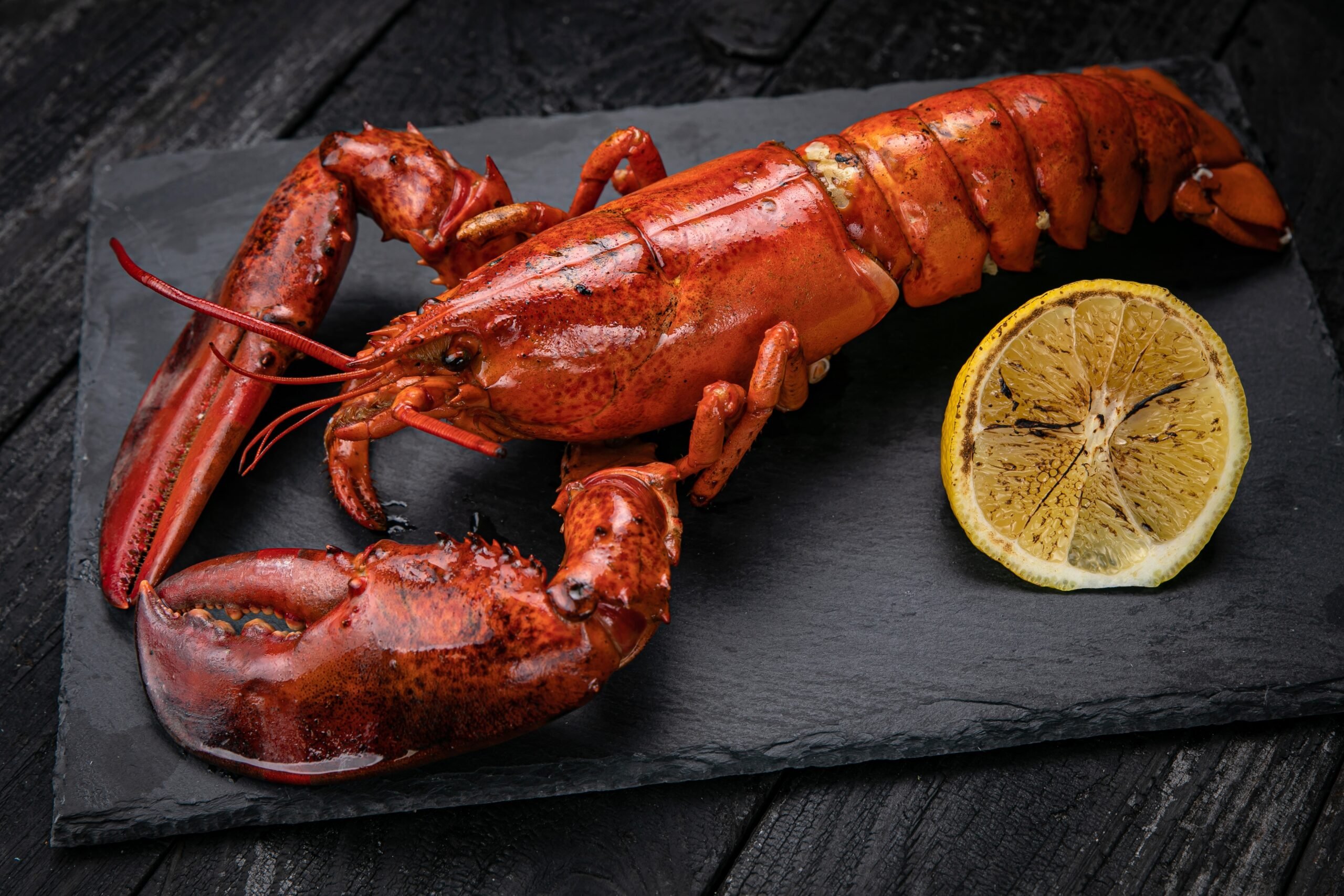
Lobsters, part of the Nephropidae family, sport long bodies, muscular tails, and claws on three pairs of legs. Their distinct taste blends well with spices but beware of over-seasoning, which can mask the delicate flavor. Another classic red dish, lobster bisque, balances buttery lobster with a hint of complexity from a rich roux and veggie mix. Slow cooking and a touch of tomato paste enhance the sweetness and meaty umami of a lobster bisque.
Lychee

Lychee, a single species in the Litchi genus of the soapberry family, hails from South China, Malaysia, and northern Vietnam, spreading across Southeast and South Asia since ancient times. Dating back to the 11th century in China, this tropical tree bears the sweet and aromatic lychee fruit. Bursting with juicy flavors akin to strawberry, pear, and a hint of citrus, its slightly floral taste is distinct. Contrary to popular belief, lychee and rambutan, though related, differ in appearance, texture, and flavor. Rambutan offers a richer and creamier flesh with a sweeter taste, while lychee boasts bumpy skin compared to rambutan’s hairiness.
Mulberries

The red mulberry, also known as Morus rubra, is a native species in eastern and central North America, stretching from Ontario to Florida and as far west as Texas. Its fruit is deliciously sweet and can be enjoyed fresh or in various dishes like pastries and preserves. This versatile berry pairs well with pears and apples. Remember to store unwashed red mulberries in the fridge and use them within 2-3 days.
Paprika

Paprika, a spice from dried red peppers, is traditionally crafted from Capsicum annuum varietals like chili peppers. This powdered spice adds a sweet, peppery taste with a subtle earthiness. Smoked paprika, dried over an oak wood fire, infuses a special chargrilled flavor. It’s great in pork, chicken, or beef stews, offering color and a hint of sweetness. Paprika jazzes up barbecue sauce, rubs, marinades, Italian sausage, potato casseroles, cream sauces, and egg dishes. It’s a versatile kitchen staple, adding a flavorful kick to a variety of dishes without overpowering them.
Pepperoni

Pepperoni, a zesty salami blend of pork and beef with paprika and chili, is a popular pizza topping in the U.S., known for its soft texture, smoky flavor, and red hue. Available in various styles at grocery stores nationwide, pepperoni boasts a savory, slightly spicy taste with a balanced porky essence. Its saltiness and chewiness, derived from the fat-to-lean ratio, make it a versatile ingredient. Besides topping pizzas, it can spruce up dishes like antipasti skewers, grilled cheese sandwiches, and quesadillas.
Pomegranate

The pomegranate, a deciduous shrub-bearing fruit, belongs to the Lythraceae family. This unique fruit has rich symbolic ties across various cultures, particularly tied in with fertility! Its natural flavor combines fruity sweetness with a hint of wine-like acidity, perfect for diverse culinary uses. They serve as a versatile garnish in fruit cups, salads, and desserts, as well as a refreshing snack. The juice finds its way into jellies, puddings, and beverages, while grenadine, derived from pomegranate juice, adds a delightful flavor to drinks and toppings for fruits and ice cream.
Radishes

The radish, a root veggie from the mustard family, has been enjoyed since ancient times. Its white flesh is crisp and juicy, with a peppery kick in raw form. You’ll often find them in salads, on buttery baguettes, or pickled for tangy goodness. Whether shaved, halved, or shredded, radishes bring a refreshing crunch to your plate. Their versatility shines when marinated in olive oil and lemon or pickled in a vinegar mix. With a mix of sweet, peppery, and sharp flavors, radishes add a zesty twist to your meals!
Raspberry
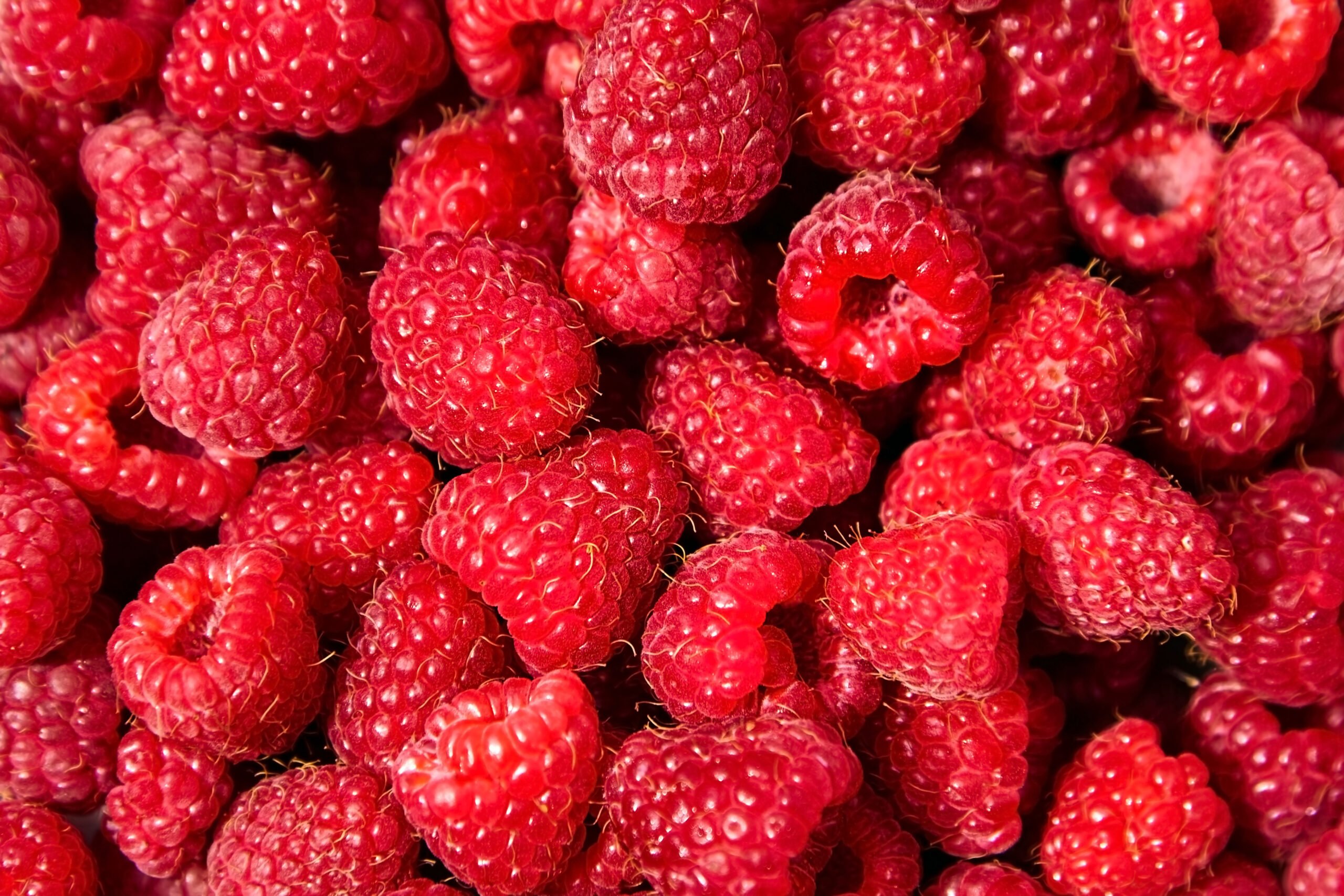
Raspberries, the tasty edible fruits from various plants in the Rubus genus of the rose family, bring a mix of green, acid, and sweet flavors. These perennials with woody stems offer a fresh and juicy taste with a hint of floral and woody notes. Add raspberries to oatmeal, pancakes, or smoothies for a burst of flavor. They also sweeten muffins and fruit salads perfectly or simply snack on a handful for a sweet and tart treat.
Red Apples

Red apples come in various types. Fuji apples are gaining popularity for their sweet, crisp texture. McIntosh apples are deep red with green patches, while Red Delicious are classic. While green apples are lower in calories and carbs, with more protein and fiber, red apples have higher beta-carotene and antioxidant content. Some red apples are sweet with a hint of acidity, and others are tart. There are also russet apples with rough brown skin, and yellow apples like golden delicious, offering a wide variety to enjoy.
Red Bananas

Red bananas, a group of banana varieties with reddish-purple skin, come in various sizes. Ripe red bananas have a creamy to light pink flesh, offering a sweet flavor akin to a regular banana with a hint of raspberry sweetness. Originally from Southeast Asia, they are soft and perfect for desserts or savory dishes. Enjoy them in fruit salads, desserts, or even baked, fried, or toasted. Simple to eat, just peel and enjoy raw, chopped, or whole.
Red Cabbage

Red cabbage, also called Blaukraut post-prep, boasts dark red/purple leaves that shift hues based on soil pH due to anthocyanins. This veggie amps up coleslaws and salads with its vibrant color and satisfying crunch. Red cabbage outshines its green sibling – peppier and heartier, ideal for slaws, braising, and roasting. With a bolder flavor profile, it’s a versatile addition to your kitchen, offering a colorful twist to your meals.
Red Carrots

Red carrots are rare, but they do exist! They are vibrant and vivid, boasting a deep red hue that intensifies when cooked. These tapered veggies reach 8-11 inches in length, their crimson color attributed to the antioxidant Lycopene. With a crisp texture and sweet earthy taste, they offer a snap-like quality. The leafy tops are edible, too, providing a fresh, slightly bitter flavor. Loaded with Lycopene for heart health and immune-boosting properties, red carrots are packed with vitamin C, which aids in antibody production and iron absorption.
Red Chili Flakes

Crushed red pepper, also known as red pepper flakes, is a spicy condiment made from dried and crushed red chili peppers. These flakes add a kick to dishes like pizza, stir-fries, and pastas, infusing them with smoky, fruity, or earthy flavors. Their larger size provides a satisfying texture. Used to amp up sauces and dishes, the heat level varies depending on the chili type. Adding dried chile flakes to your meals can really spice things up!
Red Curry

Red curry, a classic Thai dish, features red curry paste simmered in creamy coconut milk with various meat options like chicken, beef, pork, duck, or shrimp, or vegetarian choices like tofu. This moderately spiced curry owes its bold flavor to a mix of red chilies. Its base comprises coriander, cumin, red bell pepper, red chile, lemongrass, and ginger. Versatile and flavorful, red curry offers a delightful blend of spices that create a satisfying and aromatic dish. Perfect for those craving a taste of Thailand, this dish is a go-to choice for a delicious and spicy meal.
Red Fleshed Peaches
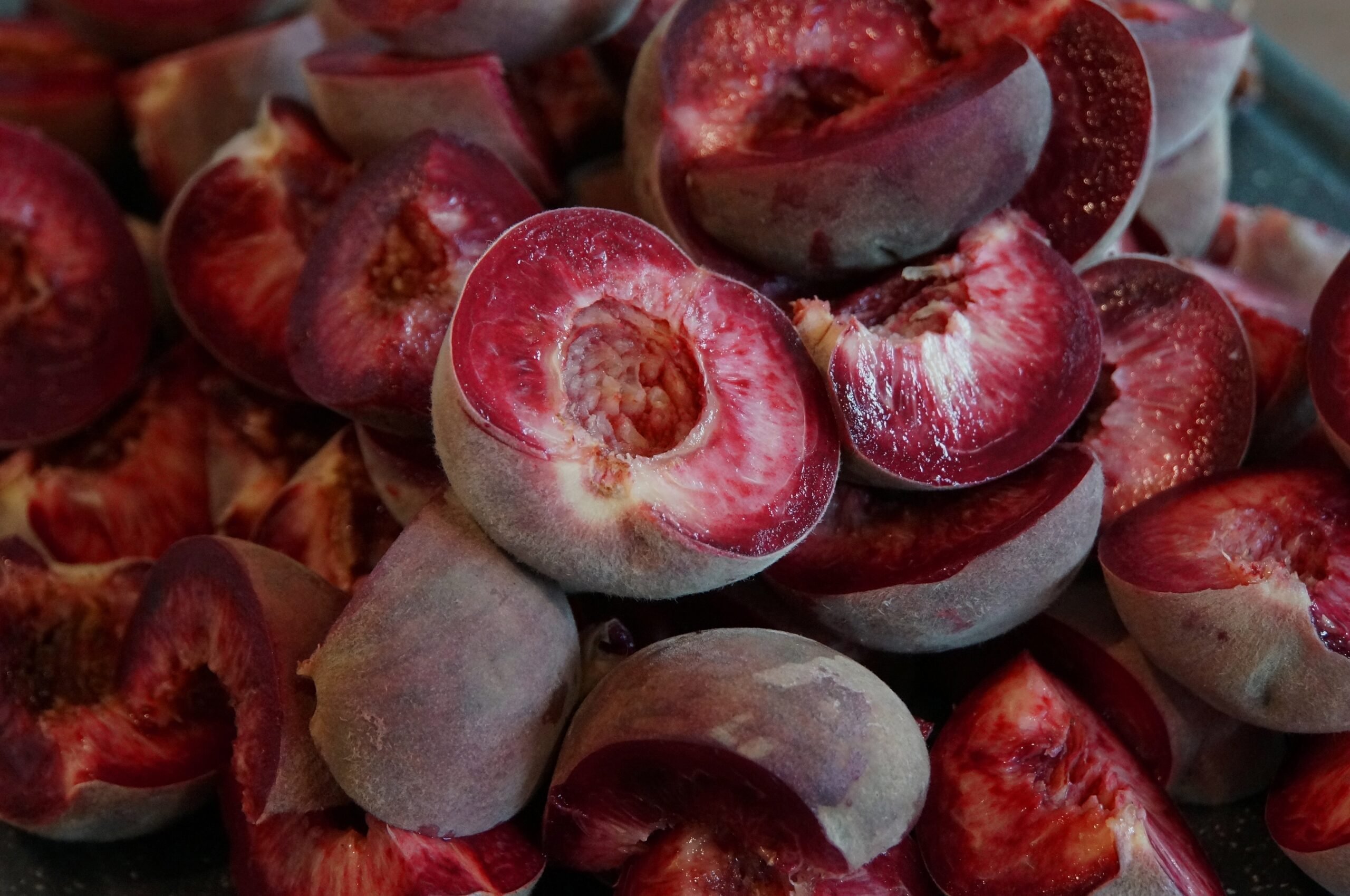
Red-fleshed peaches stand out as a rare gem among the common white and yellow varieties. Often elusive in some regions, these peaches boast a unique flavor profile, less sugary but subtly tangy, reminiscent of raspberries. They offer a delightful mix of plum, peach, Morello cherry, and the richness of red wines. Their distinct taste adds a twist to the usual peachy sweetness. If you ever stumble upon these crimson treasures, savor the blend of flavors that set them apart from the crowd.
Red Grapes

Grapes pack a punch with vitamins A and C, offering solid health perks. Dark red and purple grapes top the charts for antioxidants. Despite being sweet, red grapes carry anthocyanins linked to better cholesterol levels and insulin resistance. Munch carefully to avoid bitterness from grape skins. Grapes are the multitaskers of fruits, delivering wine, raisins, and jelly. Plus, fresh grapes are an easy go-to for snacking just on their own.
Red Kale

Did you know there’s more to kale than just one type? There are 10 kinds, like Winterbor, Lacinato, and Red Russian. They fit into categories like curly, American, Russian, and Italian. For instance, Winterbor is curly, while Lacinato is Italian. Red vs. green kale? Green is curly, red (like Russian) has red stems, and it’s a tad sweeter and tender. Red kale has flat leaves, and green is curly. Try red kale in salads for a fresh crunch, or sauté it to bring out its sweetness. Other red leafy greens include endive, spinach, and lettuce!
Red Lentils

Red lentils are a tad sweeter than yellow ones and are commonly found in Indian and Middle Eastern cuisine. Due to their skinless nature, they cook into a creamy texture, perfect for dishes like dahls and curries. Red lentils have a nutty flavor and are often split in half, which helps with a speedy cooking time too. Spice them up with cumin, curry powder, turmeric, ginger, garlic, paprika, cinnamon, or chili powder for a flavorful meal.
Red Meat

In the food world, red meat looks red before cooking, unlike white meat, which is pale. Red meat includes meats from mammals, while white meat comes from fowl like chicken and turkey. The distinction is based on myoglobin protein levels. Red meats like beef, pork, and lamb are red raw, coming from non-fowl mammals. White meat from birds, turns white after cooking. Raw meat lacks a strong aroma but holds the base flavors for cooked meat.
Red Onions

Red onions, with their purplish-red skin and mild, sweet flavor, are a kitchen essential. These onions are perfect for adding a pop of color and taste to dishes like salads, salsas, and sandwiches. Whether raw in a crunchy salad or caramelized in a cozy soup, red onions shine in various cooking styles. Master sautéing, roasting, and more to unlock the full potential of these vibrant bulbs.
Red Peppers (Bell Pepper)

The bell pepper, a fruit from the Grossum Group of Capsicum annuum plants, comes in various hues – red, yellow, orange, green, white, chocolate, candy cane striped, and purple. Red peppers pack a vitamin C and A punch, with double the vitamin C of green ones. They blend the sweetness of yellow and orange with the savory green taste. Red bell peppers stand out as health stars due to their lycopene content. Whether raw or cooked, bell peppers offer benefits, though cooking enhances nutrient absorption. Just don’t overcook, as it may lessen the vitamin C levels.
Red Pesto

Creating a classic pesto involves blending basil, Parmesan, pine nuts or cashews, garlic, and olive oil. Swap the types of nuts around for a bit of variety, or skip cheese for a vegan twist. Then there’s red pesto flavored with roasted red peppers. Blend the drained or roasted peppers with sundried tomatoes, garlic, and olive oil, until pesto-like. Add pine nuts or cashew nuts for texture and Parmesan for richness. Use red pesto with pasta, grilled meat, roasted veggies, or potatoes. It’s even tasty on breakfast sandwiches or omelets.
Red Potato

Red potatoes, as the name suggests, sport a red skin and a slightly sweet taste. Their texture leans towards waxy rather than starchy compared to white potatoes, with a firm white flesh that holds up well when cooked. Ideal for roasting, making soups, or potato salad, their waxy consistency ensures they keep their shape. However, caution is needed as they can turn sticky if overhandled. Save these red gems for dishes that let their flavors shine without turning them into mush.
Red Quinoa
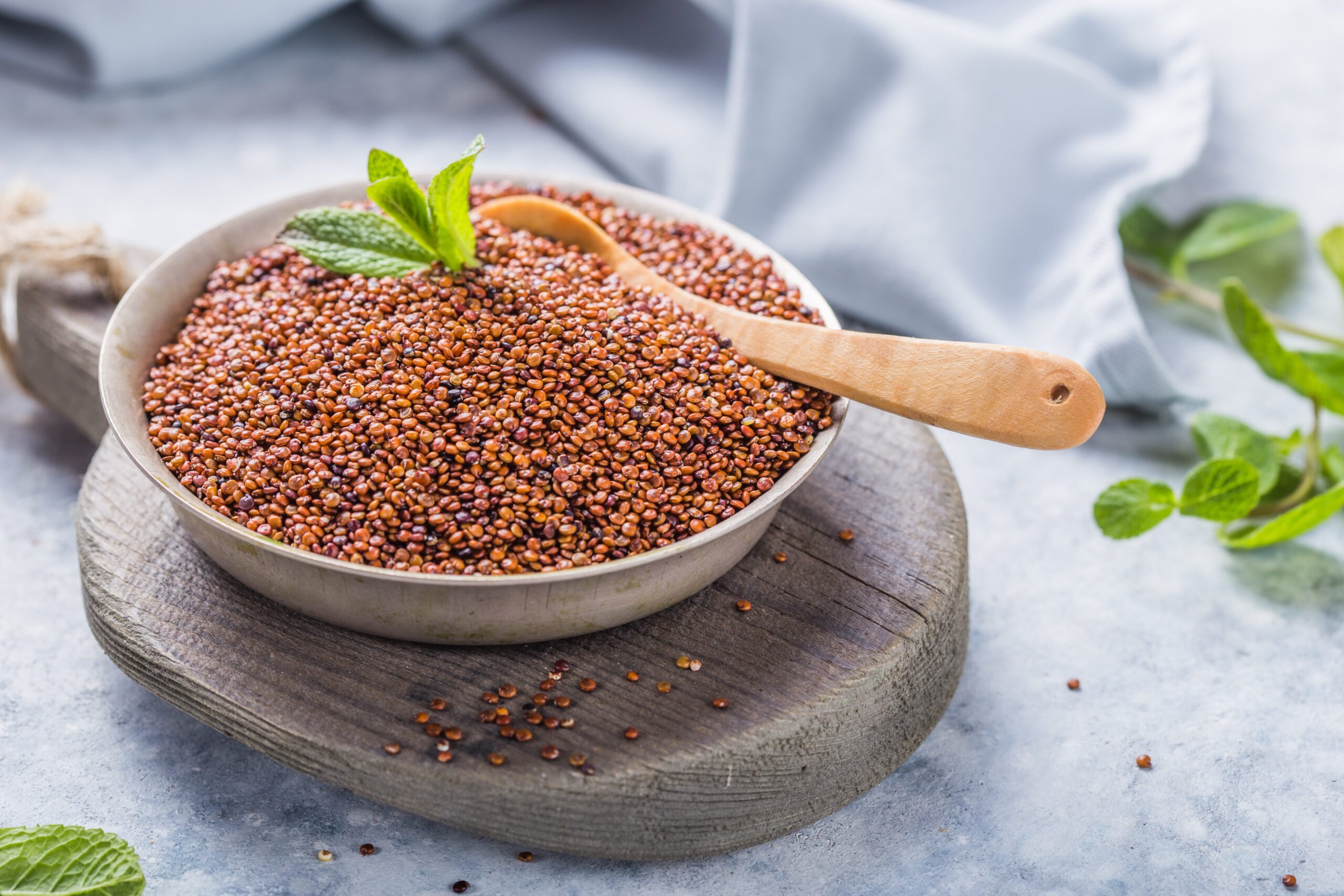
Red quinoa, from the plant Chenopodium quinoa in South America, is oval and crunchy uncooked and transforms into soft spheres when cooked. Its richer taste and chewy texture make it perfect for cold salads or grain salads instead of white quinoa. Try it in a pilaf or with fall veggies and maple vinaigrette for a tasty side dish. Red quinoa holds its shape well during cooking, adding heartiness to your meals.
Red Rice
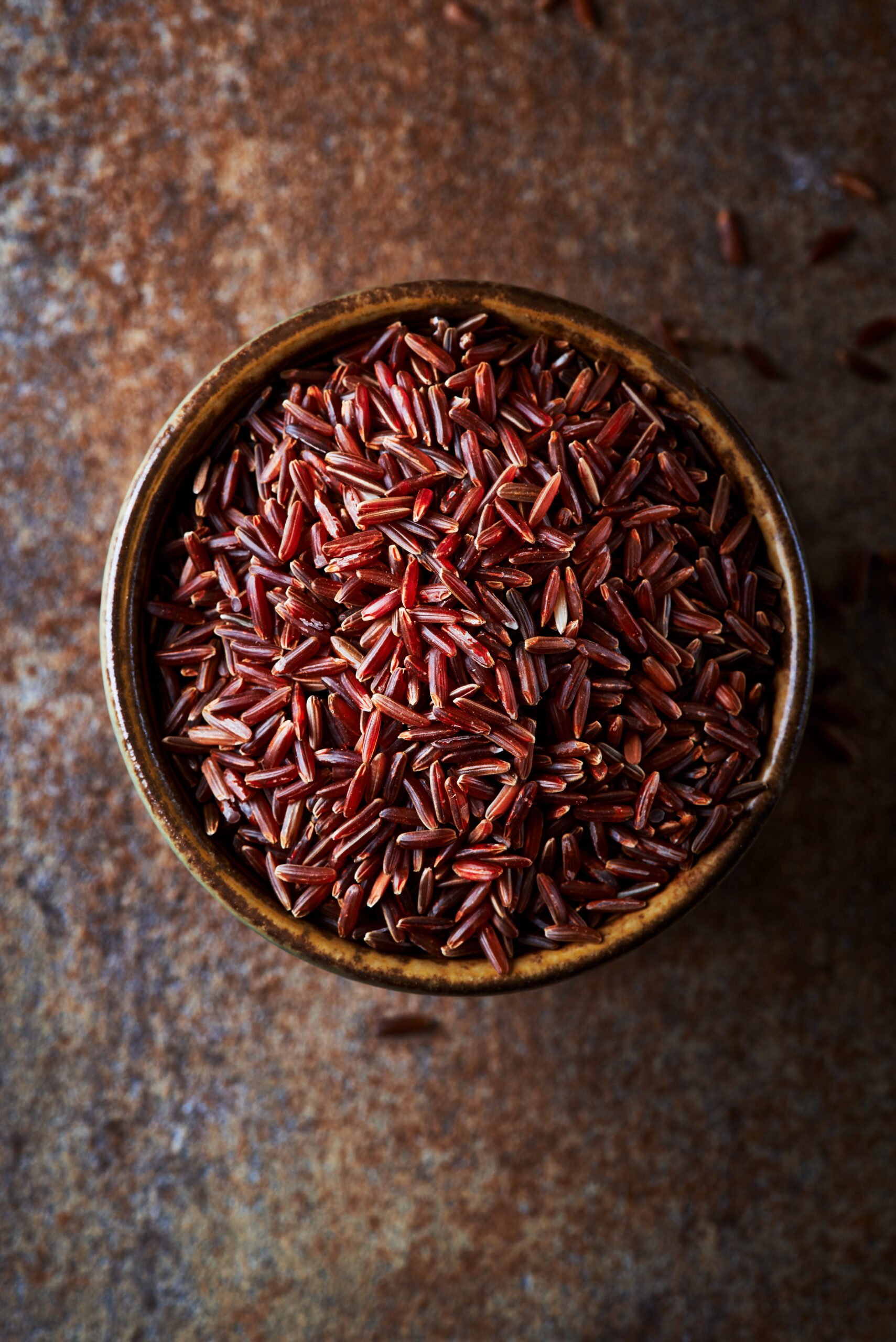
Red rice, with its red hue from anthocyanins, is a nutritious choice similar to brown rice but with more antioxidants. It boasts fiber and protein, making it a healthy swap for white rice. Its nutty flavor and chewy texture add a twist to dishes like pilafs and salads. While it can replace white rice in most recipes, be prepared for a slight change in taste and texture. So, next time you cook, consider this wholesome alternative!
Red Velvet Cake

Red velvet cake is a cocoa-based cake known for its smooth texture and subtle tang. Its signature red hue is now achieved with red food dye, but history tells of a chemical reaction or beet sugar for the color. Different frostings like Ermine or cream cheese top this treat. Unlike regular chocolate cake, red velvet uses unprocessed cocoa and includes buttermilk and vinegar, offering a tighter crumb and tangier taste. Originating in the late 1800s, the dessert gained fame in the 1900s, with the Waldorf-Astoria Hotel and Eaton Department Store popularizing it. Today, red velvet cake remains a beloved classic.
Rhubarb

Rhubarb, the edible stalks from plants in the Polygonaceae family, are known for their tart taste. Although it’s not everyone’s favorite due to its sourness, when cooked with sugar, it transforms into a delicious treat. Rhubarb is often used in jams, compotes, and various sweet desserts like pies, tarts, cakes, and cookies. This herbaceous perennial grows from thick rhizomes and can be mistaken for celery when raw. Its culinary versatility shines best when paired with strawberries.
Saffron

Saffron, a spice from the flower of Crocus sativus, is prized for its crimson threads used in food as a seasoning and coloring agent. Packed with health-boosting carotenoids, saffron offers anti-inflammatory and antioxidant benefits. Its taste has a subtle earthy-sweet flavor with floral hints and a touch of bitterness. Found in Indian, Moroccan, and Iranian cuisines, saffron elevates dishes like curries in India and Chicken Tagine in Morocco. Whether infusing syrups for desserts or adding depth to savory dishes, saffron is a versatile ingredient enjoyed across various cultures.
Salsa

Salsa, a versatile sauce for tacos and chips, comes in various forms – from raw to cooked. Pico de gallo, known as salsa fresca, features fresh ingredients like tomatoes, onions, and chiles. Red salsa, made with ripe tomatoes and red chili peppers, offers a mildly spicy, tangy taste. Enjoy it with tortilla chips, tacos, or grilled meats. This zesty condiment can also be used in nachos or blended into queso.
Shakshuka

Shakshouka is a brekkie dish that features eggs poached in a saucy mix of tomatoes, peppers, onion, and garlic. Seasoned with cumin, paprika, and pepper, it offers a flavorful blend of spices. The dish pairs well with bread and a green salad, creating a quick, easy, and wholesome meal. Originating in Ottoman North Africa during the mid-16th century, post the introduction of tomatoes by Hernan Cortés, this dish has stood the test of time with its delicious and satisfying character.
Spaghetti with Red Sauce

Marinara sauce, a classic tomato-based pasta sauce, is crafted by mixing crushed or diced tomatoes with garlic, onions, and peppers, then simmered for a saucy texture. Elevate this sauce by incorporating red pepper flakes, fresh tomatoes, olive oil, basil, Parmesan, garlic, onions, and a dash of sugar for sweetness. Are red sauce and spaghetti sauce the same? Essentially, yes. Spaghetti sauce is a variation of marinara, often enriched with ingredients like ground beef for a bolognese twist.
Sriracha Sauce

Sriracha, a spicy chili sauce, boasts a mix of chili peppers, vinegar, garlic, sugar, and salt. Its taste varies by brand, with Western versions being a bit milder. Generally spicy with a tangy, sweet flavor and garlicky notes, it’s akin to ketchup in consistency. This sauce livens up dishes with its unique blend of chilies, garlic, and vinegar. Perfect for Vietnamese fare like Pho, sandwiches, noodles, or as a dip for spring rolls and seafood. Sriracha brings a flavorful zing to your meals.
Strawberry

The garden strawberry, a popular fruit worldwide, is beloved for its red color, juicy texture, and sweet-sour taste. With a distinctive aroma resembling sweet caramel, strawberries become sweeter as they ripen. Chefs value their addition in everything from baked goods to salad dressings. Strawberries are part of the Fragaria genus, cherished for their flavor and adaptability in the culinary world. They also freeze really well so stock up when they are in season!
Tomato

Tomatoes, the edible berries of the plant Solanum lycopersicum, have a pleasant sweet-sour taste from their sugar and organic acid content. This species hails from western South America, Mexico, and Central America, with the Nahuatl word tomatl evolving into the Spanish tomate, then the English tomato. Simple yet versatile, tomatoes star in dishes like Caprese Salad with mozzarella and basil, Gazpacho, Bruschetta, or as a no-cook pasta sauce. They add zest to sandwiches, kick out ketchup in salsas, and lend flavor to lasagnas.
Watermelon

Watermelon, a popular fruit, is a flowering plant from the Cucurbitaceae family. With over 1,000 varieties, this vine-like plant is cherished worldwide for its unique blend of bitter, sweet, and sour flavors. Its bitterness balances the sweetness, while the sourness adds a tangy twist. From refreshing smoothies to tantalizing cocktails like the watermelon daiquiri, this fruit shines in various dishes, adding a burst of freshness to dishes like watermelon & feta salad or watermelon lemonade.
More Foods!
- 100 foods that start with the letter A
- 100 foods that start with the letter B
- 100 foods that start with the letter C
- 3-letter foods listed with pictures and facts
- 4-letter foods listed with pictures and facts
- 5-letter foods listed with pictures and facts
- 6-letter foods listed with pictures and facts





Leave a Comment