

Do you have fussy eaters in your household? Colorful foods are great, but they tend to have stronger flavors than white foods. Sometimes, you just need something a bit…plain! However, contrary to white bread and potatoes, there are so many cool white foods you can experiment with. We have listed 50 of the best.
White Foods – Alphabetized
Below are 50 white foods listed alphabetically for easy reference. Following the list, you will discover brief explanations for each item.
- Albino Beet
- Alfredo Sauce
- Almonds (Blanched)
- Arugula Flowers
- Bananas
- Beans (Great Northern, Navy, Cannellini)
- Bread (White)
- Cashews
- Cauliflower
- Chicken Breast
- Coconut
- Daikon Radish
- Egg Whites
- Endives
- Fennel
- Garlic
- Greek Yogurt
- Jicama
- Lychees
- Meringue
- Mushrooms (White)
- Oats (Hulled)
- Onions (White)
- Parsnips
- Pears (Chinese White Pear)
- Potatoes (White)
- Quinoa (White)
- Ranch Dressing
- Rice
- Rice Flour
- Salt
- Sesame Seeds
- Silken Tofu
- Sour Cream
- Sugar
- Turnips
- Tzatziki
- Vanilla Ice Cream
- White Asparagus
- White Cabbage
- White Cake
- White Cheese
- White Corn
- White Fish
- White Lentils
- White Peaches
- White Pepper
- White Pizza
- White Pumpkins
- White Truffle
White Foods – List
Here are 50 white foods!
Albino Beet
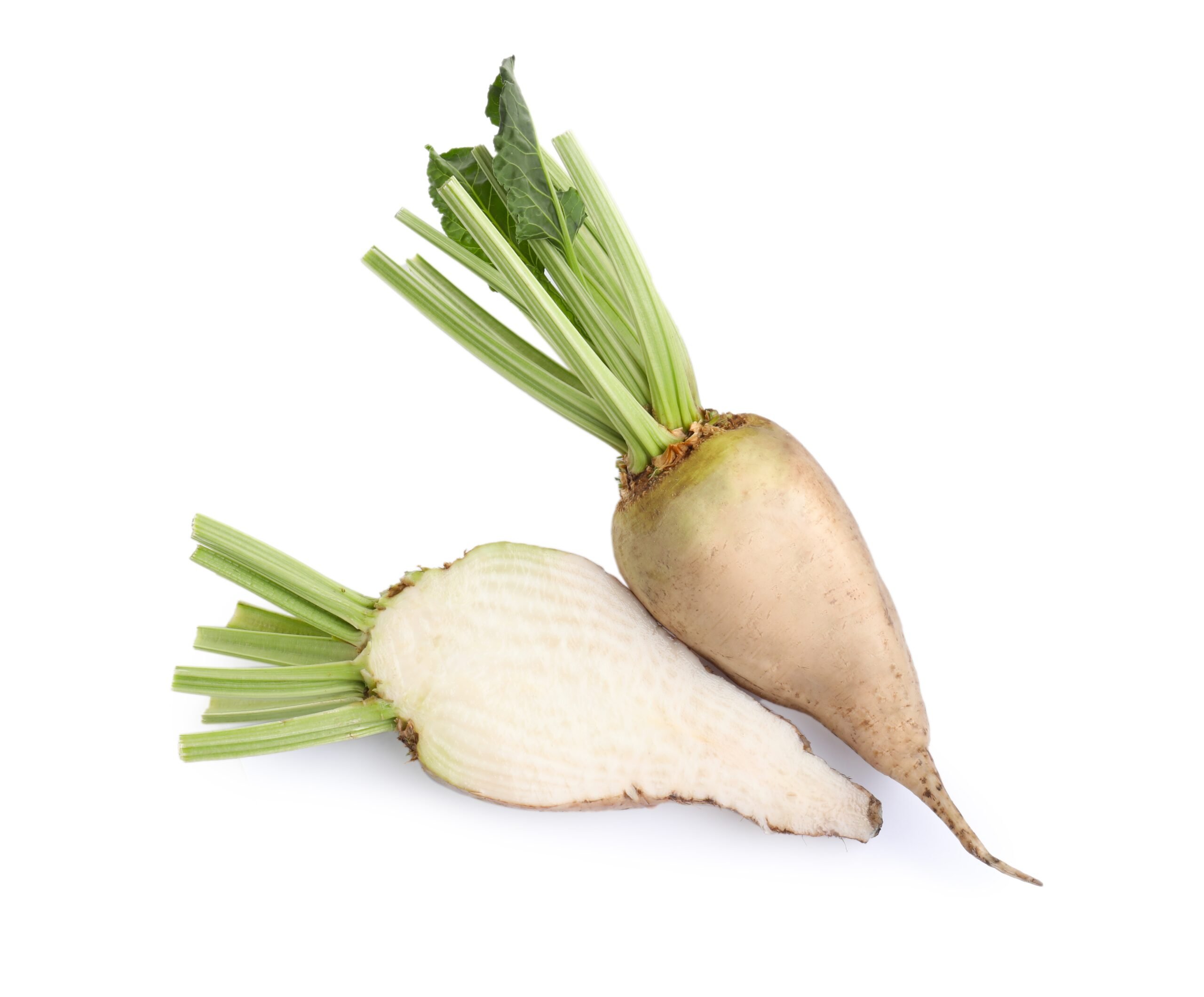
The large white beet, also known as sugar beet or albino beet, are beets that have their roots covered with soil to preserve their white color. This kind of beet variety features completely white sweet roots with a delightful flavor, and the added bonus is that it doesn’t stain! Similar to red and purple beets, the Albino beets can work with a bunch of dishes. Whether shredded raw over salads or cooked with a tray of roast veggies, its unique taste stands out. However, traditional beet dishes like pickled eggs and borscht may not showcase their paler pigment well. These sugar-sweet albino beetroots are also used to produce a vegan version of sugar without bone char.
Alfredo Sauce
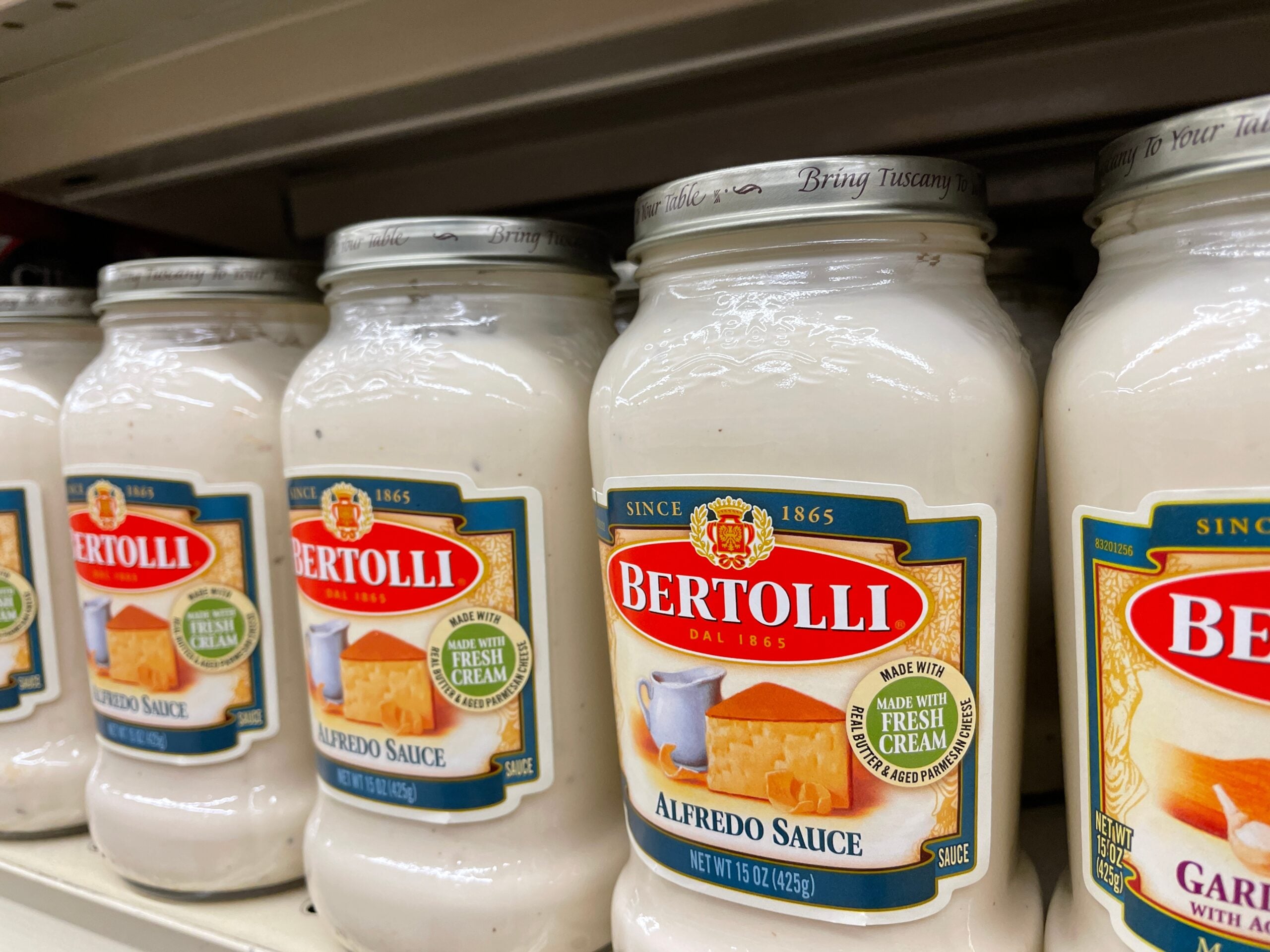
Alfredo sauce is created by melting butter, heavy cream, and parmesan cheese together. It is distinct from tomato-based pasta sauces as it excludes vegetables and relies on dairy for its rich flavor. The sauce boasts a creamy texture with a tangy, salty kick from Parmesan cheese. It sounds similar to carbonara sauce, but carbonara distinguishes itself by incorporating guanciale for an earthy, robust essence, contrasting the buttery allure of Alfredo sauce.
Almonds (Blanched)

When almonds are blanched, their skin is removed, altering the texture and color of the resulting almond or almond products. Blanched almonds offer a semi-soft, chewy consistency that turns buttery and smooth when consumed. They have a mild, sweet, and nutty flavor with little to no aroma. Used in various savory dishes such as Almendras Fritas and Romesco Sauce, blanched almonds can be sliced for salads, rice dishes, or ice cream toppings.
Arugula Flowers

Did you know that arugula flower buds and blossoms can be eaten? The white petals add a nice touch to summer salads. Arugula flowers share the peppery flavor of the leaves. For garnishing, harvest flowers just before serving to avoid wilting. Besides garnishing, arugula flowers can be used in various ways, like topping soups, adding to frittatas, or enhancing grilled steak. Despite their delicate appearance, they offer a strong flavor. It’s best not to store them as they tend to lose flavor and quickly look a bit floppy and sad.
Bananas

Bananas are elongated, edible fruits classified as berries produced by herbaceous plants in the Musa genus. As they ripen, they develop a fruity taste with hints of melon, pineapple, candy, and clove. Yellow bananas are sweeter due to higher sugar content, while brown-peeled bananas offer notes of vanilla, honey, and rum. Rich in potassium, magnesium, and vitamin B6, bananas support digestive and heart health. Whether eaten raw or added to smoothies and baked goods, bananas are a nutritious ingredient enjoyed by most!
Beans (White)

‘White beans’ is a broad descriptor encompassing a diverse range of white beans, varying in size, texture, taste, and cooking time. The most common types include Navy, Great Northern, Cannellini, and Lima Beans. Cannellini Beans, also known as White Kidney Beans, boast a mild flavor with a light, nutty undertone, favored by home chefs for dishes like Minestrone Soup. There are so many ways to use them! Mix white beans with fresh mozzarella, cherry tomatoes, and basil, and drizzle with olive oil, red wine vinegar, salt, and pepper. Enhance mashed potatoes with mashed white beans for added fiber and protein, or sprinkle them on salads for a nutritious boost.
Bread (White)

White bread, made from wheat flour with bran and germ removed during milling, is soft with a light crust and airy, light crumb. Mildly sweet and salty, it’s commonly used for toast and sandwiches. For bread pudding, soak slices in an egg-milk mix with vanilla and bake golden-brown. Dumplings are made by cutting bread into pieces, soaking in milk-egg mix, adding parsley and onions, forming balls, and cooking in slightly boiling salted water. Bread can be used for crumbs or Panko, croutons by frying small pieces until golden brown, or Semmladorttem by combining breadcrumbs with lard, egg, and sage, then baking.
Cashews
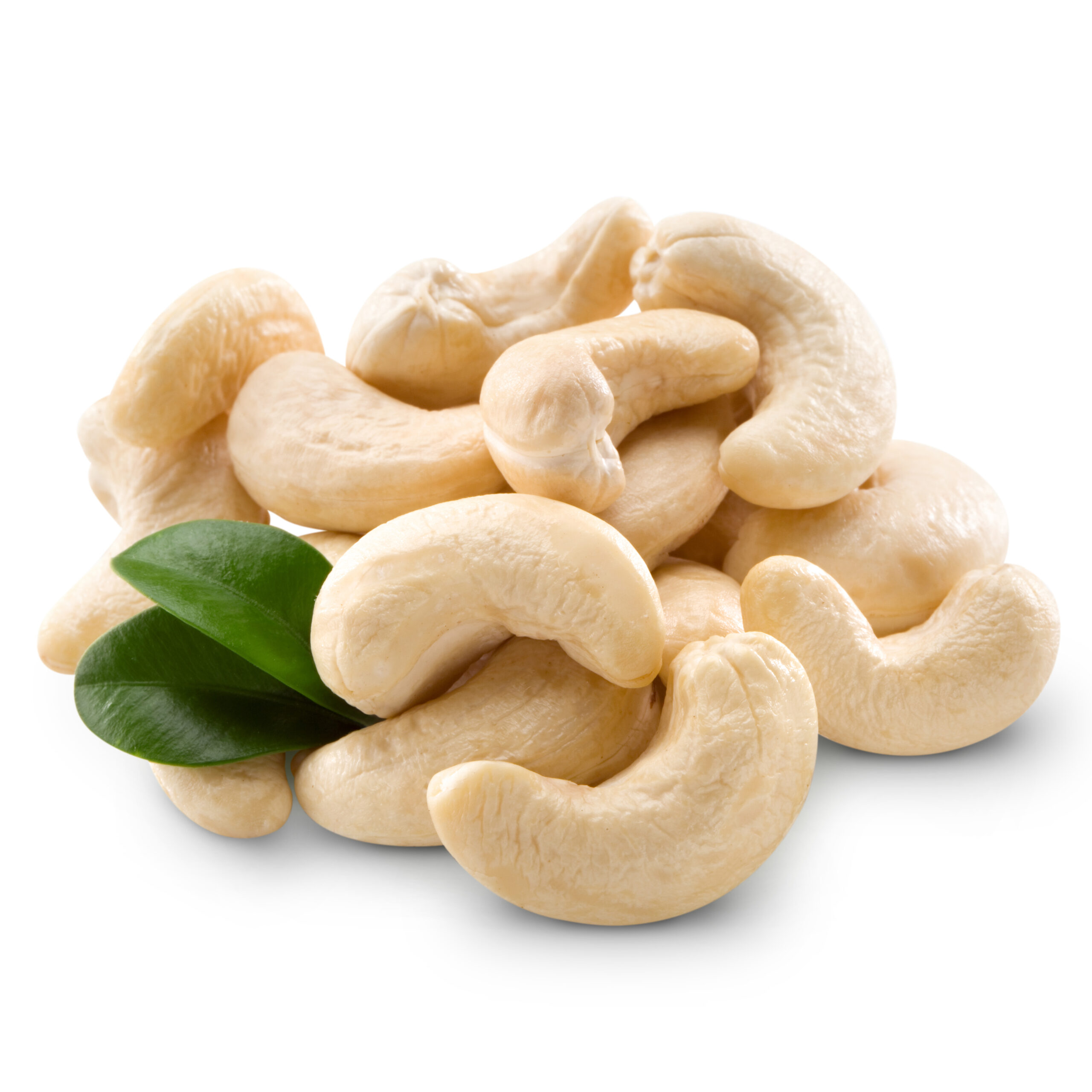
Acorns, chestnuts, and hazelnuts are actual nuts, while cashews, almonds, and pistachios belong to the drupe category. Drupes have fleshy exteriors and a hard shell encasing a seed. Cashews have a mild, buttery taste that enhances or picks up other flavors. They work well in pesto with basil, as a cheese substitute in vegetable lasagna, and in fruit-infused ice cream. You can even blend them to make your own delicious cashew butter!
Cauliflower

Cauliflower, a cruciferous vegetable, belongs to the Brassicaceae family, is native to the eastern Mediterranean, and is now globally cultivated. The white flower bud at the top is its main feature, but there are also orange, green, and purple varieties. With a crunchy texture and subtle flavor, cauliflower is pretty versatile. While steaming or blanching maintains its essence, roasting or sautéing enhances its sweetness. Similar to eggplant, cauliflower readily absorbs oils and seasonings yet retains firmness. This plant really presents itself as a blank canvas for culinary exploration!
Chicken Breast
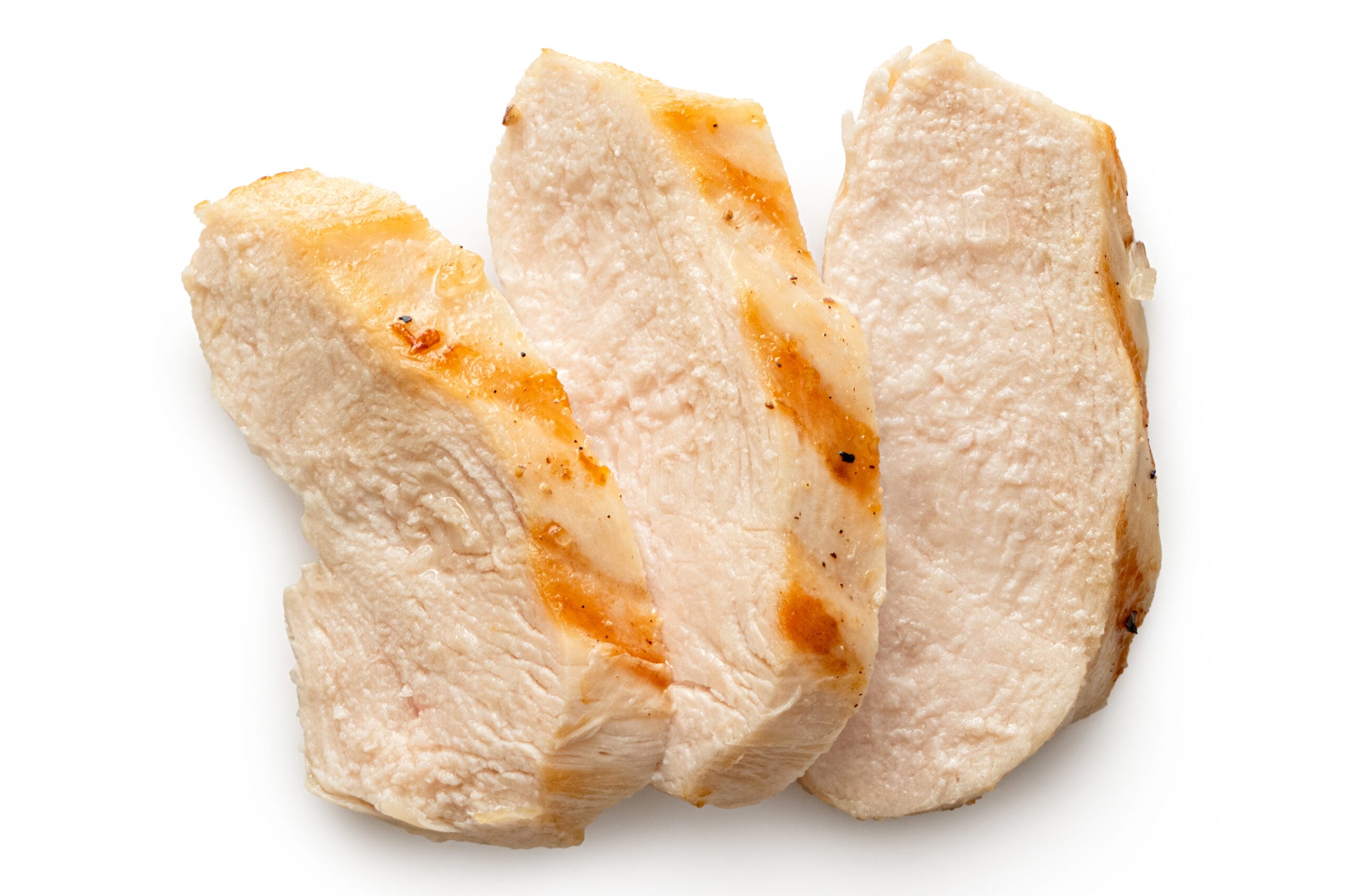
Chicken breast is the lean and mild-tasting meat from a chicken’s breast, commonly used in various cooking methods like grilling, baking, sautéing, and frying. While it’s a versatile ingredient for quick and crowd-pleasing meals, its flavor may lack depth due to the removal of bones and skin/fat. As a protein-rich food, chicken aids in weight management and reducing heart disease risk. Chicken also contains tryptophan, an amino acid associated with increased serotonin levels in the brain.
Coconut

The coconut tree belongs to the palm family and represents the sole living species of the Cocos genus. “Coconut” can denote the whole coconut palm, its seed, or the fruit, classified as a drupe. Common in coastal tropical regions, coconuts symbolize the tropics. With flavors of fruity milky sweetness accompanied by hints of butter, greenness, and woodiness, coconuts are versatile and used in many dishes around the world. They offer thick milk for curries, hydrating water, and toasted flakes for desserts and savory dishes.
Daikon Radish

Daikon, a term for radish in Japanese, encompasses various radish types. In Japan, European radish is known as hatsukadaikon. In the West, daikon can mean long white Asian or Japanese radishes. They offer a subtly sweet taste with peppery hints, perfect for enhancing dishes raw or cooked. Widely used in Asian cuisine, daikon is pickled, stir-fried, or enjoyed raw for a crispy texture. You can also use sliced daikon to elevate the flavors and textures of noodles, salads, and vegetable sides.
Egg Whites

Egg white, the clear liquid in an egg, forms from secretions in a hen’s oviduct during egg passage. It envelops fertilized or unfertilized yolks, offering a less flavorful contrast to the rich yolk. Mixing them alters the taste experience, as does browning in cooking. Salty is one of the five primary tastes in an egg yolk, giving it a satisfying quality with subtle sour hints. You can use egg whites in various ways: meringue, bread glaze for shiny finishes, frostings, mousses, macarons, cocktails, pancakes, and marshmallows.
Endives
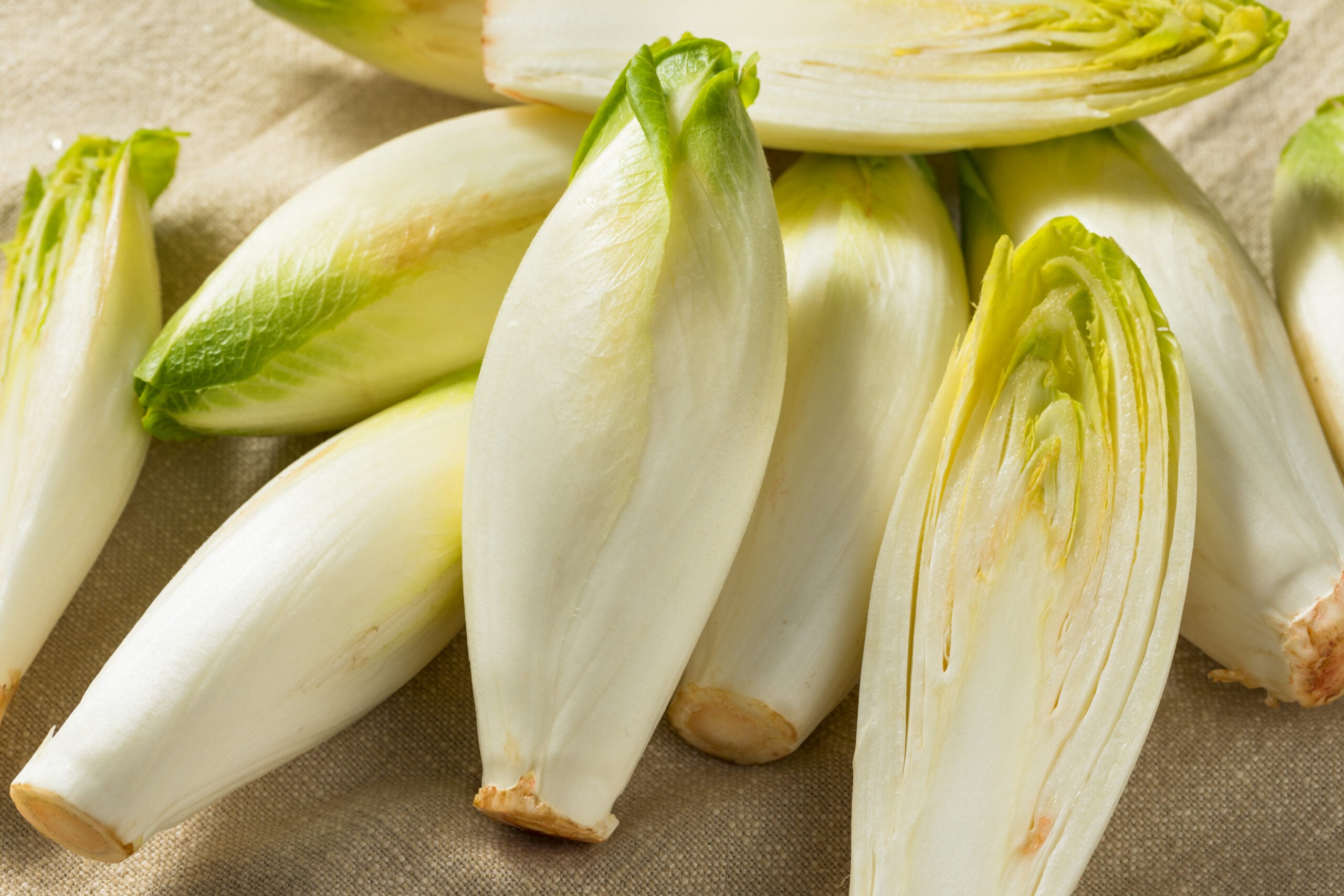
Endive, a leafy vegetable from the Cichorium genus, is part of a family of bitter greens like radicchio and Belgian endive. Species like Cichorium endivia and Cichorium intybus offer a crisp, bitter taste in their raw form, evolving into a soft, nutty essence when cooked. These veggies are versatile, commonly featured in salads but also suitable for grilling or dips. The white endive’s cup-shaped leaves can even serve as a chip replacement. Known for its acquired taste, endive’s tagline could be “bitter crunch.”
Fennel

Fennel, a flowering plant in the carrot family, is a hardy perennial herb with feathery leaves, flowers, and a white bulb. Indigenous to the Mediterranean shores, it has spread worldwide, thriving in dry coastal soils and riverbanks. Its mild anise or licorice flavor can be intensified or sweetened through various cooking methods. When sauteed with onions early in soup or stew preparation, fennel turns sweet. Enjoy it in soups, stews, pastas, salads, pizzas, and vegetable sandwiches with roasted peppers, onions, and Italian cheeses. Grilled fennel is a favorite, but avoid overcooking on the grill to prevent drying out and toughening.
Garlic

Garlic, a bulbous flowering plant in the genus Allium, is closely related to onions, shallots, leeks, chives, Welsh onions, and Chinese onions. When chopped raw, garlic yields a strong taste and aroma. Yet, when you simmer or roast whole cloves, the alliin changes into bigger molecules before meeting alliinase, creating a smooth, sweet, buttery taste. This taste is commonly used to enhance various dishes, including salad dressings, marinades, vinaigrettes, sauces, meats, vegetables, soups, and stews. Garlic is also a popular ingredient in garlic bread, garlic butter, and garlic toast recipes.
Greek Yogurt

Greek yogurt is the whitest of all the yogurts. It has been strained and undergoes a process to remove whey, resulting in a thicker texture compared to unstrained yogurt. This strained yogurt maintains the signature tangy flavor of yogurt but with a more robust and savory profile. It’s a delicious alternative to high-fat creams like sour cream in various dishes. To prevent separation when using Greek yogurt in heated dishes, gently whisk it off the heat, avoiding boiling or simmering the mixture to maintain its creamy consistency.
Jicama

Jicama is also known as Mexican turnip, commonly referring to its edible tuberous root in the pea family. The taste of jicama is a mild combination of lightly sweet and slightly nutty, resembling a mix of apple, potato, water chestnut, and pear. Its mild, starchy nature allows seamless blending with other flavors, especially in its raw state. Use shredded jicama to substitute cabbage in coleslaw, add diced jicama to salads for a sweet crunch, or swap it in for half the potatoes in hash browns.
Lychees

Lychee is the only kind of fruit in its family, the soapberry family. It’s the only member of the Litchi genus. Originating from South China, Malaysia, and northern Vietnam, this tropical tree’s cultivation dates back to the 11th century in China and has since spread across Southeast and South Asia. What is the flavor of lychee? This aromatic fruit delivers a sweet taste with floral and acidic hints. Upon tasting, a burst of juicy flavor reminiscent of strawberry or pear with a touch of citrus emerges. Fresh lychees can be refrigerated for two weeks, canned, frozen, or enjoyed fresh in salads, or stuffed with various fillings.
Meringue

Meringue, a confection of French origin, comprises whipped egg whites, sugar, and sometimes an acidic element like lemon or cream of tartar. Additional ingredients like salt, flour, or gelatin may augment the mixture. A well-made meringue should boast a delicate, sweet, and fluffy texture. To make the perfect meringue, ensure the ingredients are super fresh and follow a reliable recipe to a T! Meringue is delicious on its own or as a pie or tart topping, or it can be shaped into nests and baked at low temperatures. The consistency of the meringue is dictated by the sugar-egg-white ratio and baking temperature.
Mushrooms (White)
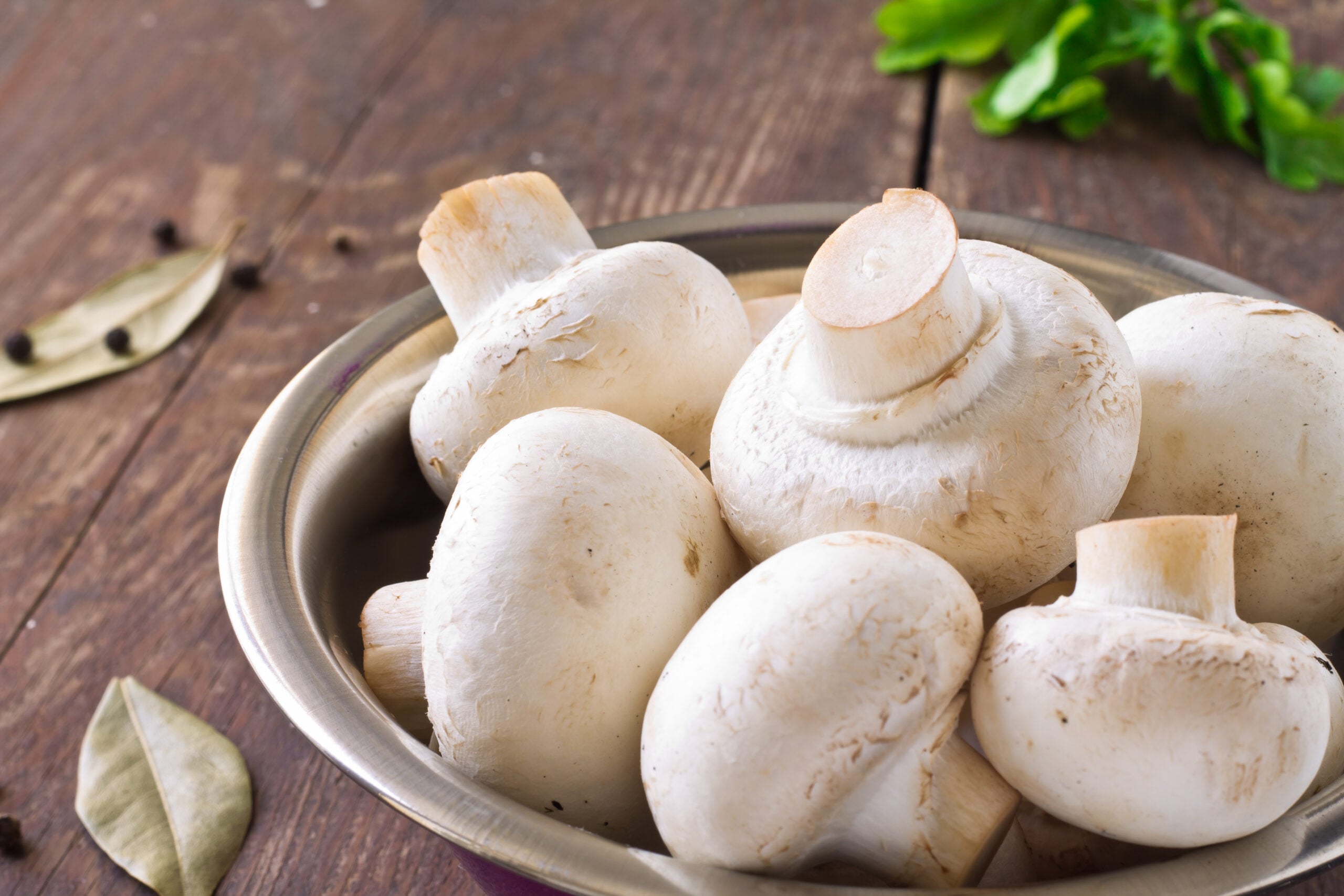
White mushrooms, also called table, common, button, or champignon mushrooms, are characterized by their small stem, smooth cap, and mild flavor that complements various dishes. Their taste is mild with earthy undertones, intensifying when cooked. White buttons offer a classic umami mushroom flavor that is slightly milder than other mushroom types. With a semi-firm texture, they deliver a pleasantly crisp bite when sliced raw for salads and other fresh preparations.
Oats (Hulled)

Hulled oats are oat grains with the outer husk removed, keeping the cereal germ, bran, and endosperm intact, making them a white/off-white color. They have a chewy texture and require a much longer cooking time than quick oats. Use them to make oatmeal, a nutritious breakfast option rich in healthy nutrients. You can enhance their flavor and nutritional value by adding toppings like fruits for sweetness, vegetables or eggs for a savory touch, and protein and fats for a balanced meal.
Onions (White)

White onions offer a light and mild flavor profile distinct from red onions. With high sugar and low sulfur content, they have a short shelf life and should be used within a couple of weeks. Commonly used in Mexican and European cuisines, white onions are mild and sweet with a slightly tangy undertone. They feature a white to off-white papery skin and flesh, ideal for raw dishes like salads and salsas requiring a milder onion taste. Their flavor dissipates quickly on the palate, making them perfect for salads, salsas, or burger toppings. To reduce their pungency, soak sliced white onions in cold water for an hour before use.
Parsnips

Parsnips are root vegetables akin to carrots and parsley in the Apiaceae family. They usually have white/cream-colored skin and flesh. The long taproot, left to mature after winter frosts, develops a sweet flavor. Unlike carrots, parsnips offer a sweeter, licorice-like taste with a subtle spice. While turnips are often compared to parsnips, they belong to different plant families and taste pretty different, too, in my opinion. Parsnips find use in various dishes – from chicken broths and soups to baking, sautéing, steaming, mashing, roasting, stewing, and frying.
Pears (Chinese White Pear)

The Chinese white pear, nashi pear, or pearple, is an interspecific hybrid species native to North China, famed for its delicious fruit. This hybrid, the Ya Li or Chinese White Pear, hails from Northern China and offers a taste akin to a mild Bosc pear. Its texture is crisp, with a higher water content and less sugar. Try it anywhere you would use pear, from Waldorf salad, Nashi muffins, bircher muesli, or poached white pear in syrup.
Potatoes (White)

White potatoes, with a firmer texture compared to russets, hold their shape well and can be prepared in various ways without peeling due to their delicate skin. Varieties include Ivory Crisp, Kennebeck, Cascade, Lamoka, Onaway, White Rose, Cleopatra, Desiree, Mont Blanc, and Lady Rosetta. These potatoes offer a subtly sweet taste with low sugar content, suitable for mashing, steaming, boiling, or frying. Try recipes like potato chowder, garlic, herb potatoes, soup, or a classic potato salad.
Quinoa (White)

White quinoa is the most popular choice of the different quinoa colors. Rich in amino acids, the key amino acid, lysine, aids in tissue growth and repair. It’s best enjoyed daily but in moderation to avoid negative gastrointestinal effects from all the fiber. Cooking white quinoa takes around 12 minutes, turning translucent when ready, with a light nutty/earthy flavor. Once prepared, the culinary possibilities are endless – use it as a base for grain bowls, in salads, stuffed in squash or sweet potatoes, in soups, and wraps, and it pairs well with both sweet and savory flavors.
Ranch Dressing

Ranch dressing, a creamy American favorite, is usually made from buttermilk, salt, garlic, onion, mustard, herbs, and spices blended into a mayo or oil-based sauce. Sour cream or yogurt may replace or complement buttermilk and mayo. The ideal ranch offers a tangy kick without overwhelming sweetness, creaminess minus stickiness, or artificial thickness. A quality ranch leans towards a prominent buttermilk flavor with a hint of richness from eggs and mayo. Since 1992, ranch has topped Italian dressing as the best-selling salad dressing in the U.S. enjoyed not just on salads but also as a dip and flavoring for various snacks. I love raw broccoli florets dipped in ranch as a snack!
Rice

Rice, as you may have guessed, has a rich history. Asian rice was first cultivated in China over 13,500 years ago, while African rice has its roots in Africa around 3,000 years back. The flavor variations among rice types, like jasmine and other white rices, are subtle. White rice generally offers a mild, slightly sweet taste, while jasmine rice tends to be similarly mild with hints of nuttiness or plant-like nuances. Rice is versatile, finding its way into an array of dishes across Asia, the Middle East, and other parts of the world, including soups, side dishes, and even alcoholic beverages!
Rice Flour

Rice flour, milled from rice, differs from rice starch produced through lye steeping. It serves as a wheat flour substitute and thickening agent in refrigerated or frozen dishes. With a neutral flavor, it’s hypoallergenic and easily digestible. Widely used in Asian cooking and gluten-free recipes, rice flour thickens soups, stews, and various baked goods. It is essential for making rice noodles appams and enhancing the texture of rice cakes and biscuits.
Salt

In everyday language, salt is a mineral primarily made of sodium chloride. When used in food, particularly in granulated form, it’s formally known as table salt. In its natural crystalline form, salt is also referred to as rock salt or halite. The salty taste is sensed by sodium-sensitive cells in the taste buds on the tongue. Sodium ions enter these cells through a specific sodium channel known as ENaC. Salt enhances the flavor of meat, highlights the distinctiveness of vegetables, adds zest to plain starches, enriches the taste of delicate desserts, and intensifies the flavor of melons and some other fruits. No other seasoning has been discovered that can adequately replace salt, so opt for a natural salt like sea salt rather than refined table salt for health purposes.
Sesame Seeds

Sesame, a plant from the genus Sesamum, known as benne or gingelly, has various wild relatives in Africa and a few in India. It thrives in tropical regions worldwide and is cultivated for its edible seeds found in pods. Sesame seeds enhance dishes with their mild, sweet, and nutty flavor, providing a delightful crunch. When toasted, these seeds release an almond-like aroma and rich taste. They are excellent in condiments, sauces, meats, warm salads, salad dressings, stir-fries, and rice dishes. Ground sesame seeds are transformed into tahini, a velvety paste commonly used in Middle Eastern cuisine.
Silken Tofu

Silken tofu, also known as soft or Japanese-style tofu, boasts a delicate consistency compared to regular tofu, requiring careful handling to prevent crumbling. Unlike regular tofu, silken tofu comes in boxes that don’t need to be kept in the fridge. This tofu variety is reminiscent of pudding, offering a light, creamy texture and a rich, fatty flavor derived from using denser soy milk. While regular tofu is akin to low-fat milk, silken tofu resembles cream in its mouthfeel. Unpressed silken tofu is exceptionally soft, spoon-worthy, and versatile in dishes ranging from hot pots to salads, serving as a complement or a binding agent in various recipes.
Sour Cream

Sour cream is a dairy product created by fermenting regular cream with specific lactic acid bacteria, which thickens and sours the cream. The name “sour cream” comes from the lactic acid produced during bacterial fermentation, causing the souring process. With a milky rich taste and a subtle acidic tang akin to creme fraiche and Greek yogurt, sour cream enhances dishes like baked potatoes, soups, and stews like goulash. It’s a baking ingredient, too, as combining it with cream of tartar results in a light sponge cake, and it brings a pleasant sourness to cheesecakes and chocolate brownies.
Sugar

Sweet-tasting soluble carbohydrates, collectively known as sugar, are widely used in food to impart sweetness. While we all know that humans perceive sugars as sweet, rodents show distinct reactions to them, indicating a unique taste experience for them also! Added sugar serves various purposes in food, acting as a sweetener, preservative, texture enhancer, fermentation substrate, flavoring, coloring, and bulking agent. The use of sugar in food products is guided by these attributes. White sugar isn’t the only kind; there are lots of different sugars and sweeteners on the market these days!
Turnips

White turnips are root vegetables cultivated in temperate regions globally for their white taproot. They come in small, tender varieties for human consumption and larger ones as livestock feed. Initially sweet and mild, they have a slight saltiness and a juicy texture. Best from June to November, white turnips grow sweeter in colder weather, making fall the ideal time to incorporate them into dishes. These turnips are versatile – pickled, grilled, simmered, or raw in salads.
Tzatziki

Tzatziki, known as cacık or tarator, is a versatile dip, soup, or sauce popular in Southeastern Europe and West Asia. While it may resemble sour cream, tzatziki offers a unique profile with its tangy, garlicky flavor enhanced by cucumber and fresh herbs. This refreshing concoction can elevate any dish—be it spread on sandwiches, paired with a Mediterranean salad, or topping falafel or flatbreads. I use it as a dip for french fries, and it’s unreal!
Vanilla Ice Cream

Vanilla is a popular ice cream flavor in North America, Asia, and Europe. Originally, vanilla ice cream was made by cooling a mixture of cream, sugar, and vanilla over ice and salt. This classic flavor is now churned in ice cream machines but has pretty much the same ingredients. It serves as a versatile base for other flavors like chocolate chips, cherries, mint, or strawberry but is also great as a standalone flavor. Use it on its own as a dessert or incorporate it into chilled treats like milkshakes, cold coffee, or smoothies, as well as diverse desserts such as sundaes and pies.
White Asparagus

White asparagus, a variant of green asparagus lacking chlorophyll due to controlled growth without sunlight, offers a delicate flavor profile distinct from its green counterpart. Renowned for its sweetness with a subtle hint of bitterness, white asparagus is highly valued in Europe. Whether roasted, baked, sautéed, boiled, or added to salads, ensuring the spears are tender is the aim of the game. In European cuisine, white asparagus is commonly simmered and served with melted butter or hollandaise sauce as a luxurious side dish.
White Cabbage

Dutch cabbages, also known as white cabbages, have tightly packed leaves, where outer leaves turn pale green from sunlight while inner leaves remain white. This spherical variety offers a mild, peppery taste that softens when cooked. Whether raw or cooked, this vegetable is known for absorbing flavors complementing bold ingredients like bacon, gochujang, or vinegar. While it’s commonly used in dishes like kimchi or coleslaw, it shines on its own, too! Even just stir-fried with a bit of salt and pepper tastes great to me.
White Cake

White cake is a variety of cake made without egg yolks. It was once known as silver cake and gained popularity in the late 19th century, becoming synonymous with weddings and christenings. It can be a butter cake or a sponge cake and is usually flavored with vanilla. Some recipes use artificial clear vanilla extract to maintain its white hue. White cake is crafted using either the creaming or reverse creaming methods, the latter creating a denser crumb suitable for tiered cakes like wedding cakes. The argument about white versus yellow cake and which is better usually comes down to the light, fluffy texture of white cake compared to the denser quality of yellow cake, and which is your personal preference.
White Cheese
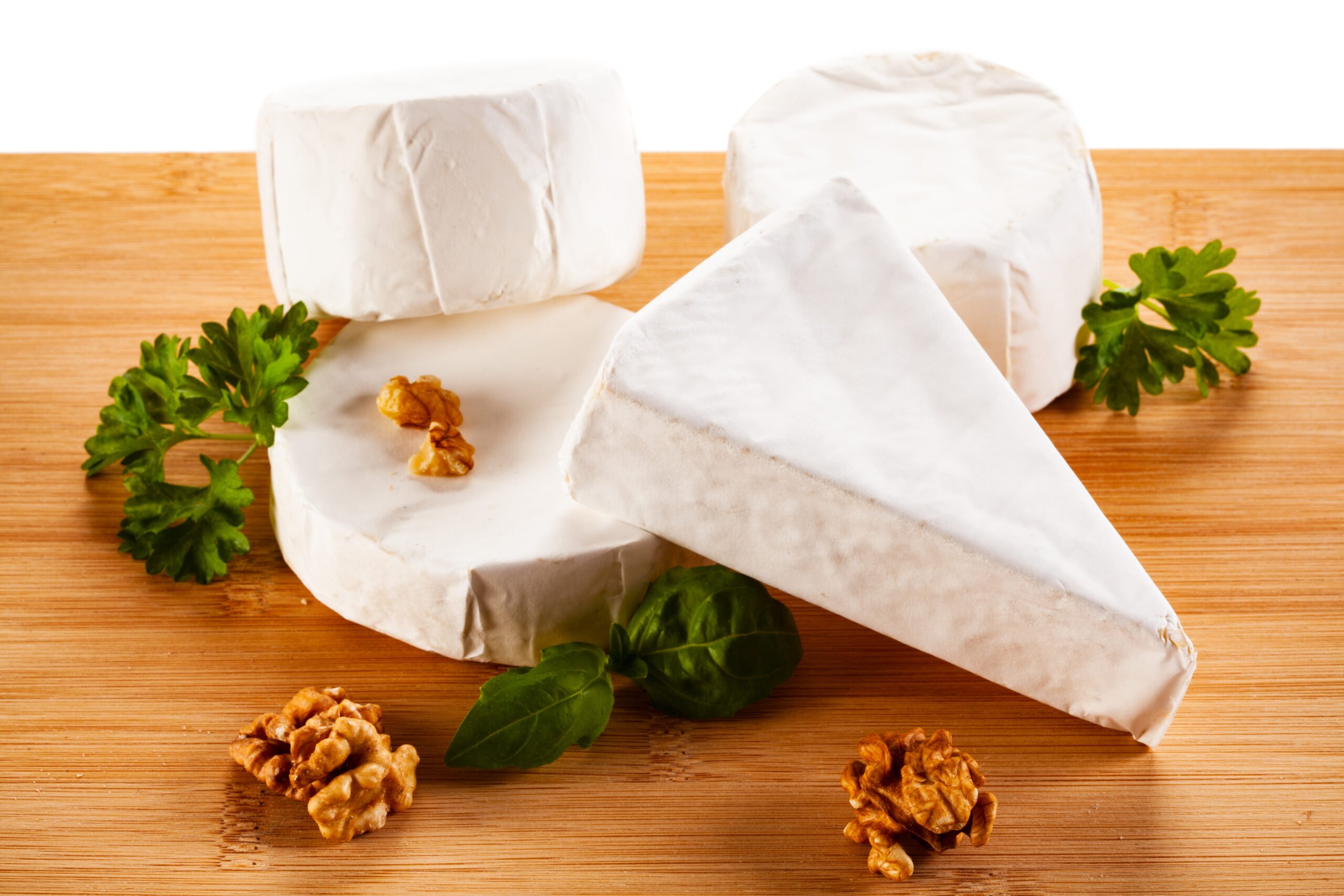
White cheese encompasses a diverse range of cheese varieties found in various regions, unified by their white color. Typically, white cheese offers a mild and salty flavor profile, distinct from the bold, sharp, and tangy taste of yellow cheese. Yellow cheese tends to have a richer taste due to the incorporation of additional spices and ingredients by manufacturers. White cheeses are suitable for use on tables, in salads, baked goods, alongside olive oil and vegetables, or in tarts, sandwiches, and pitas as a salty cheese alternative.
White Corn
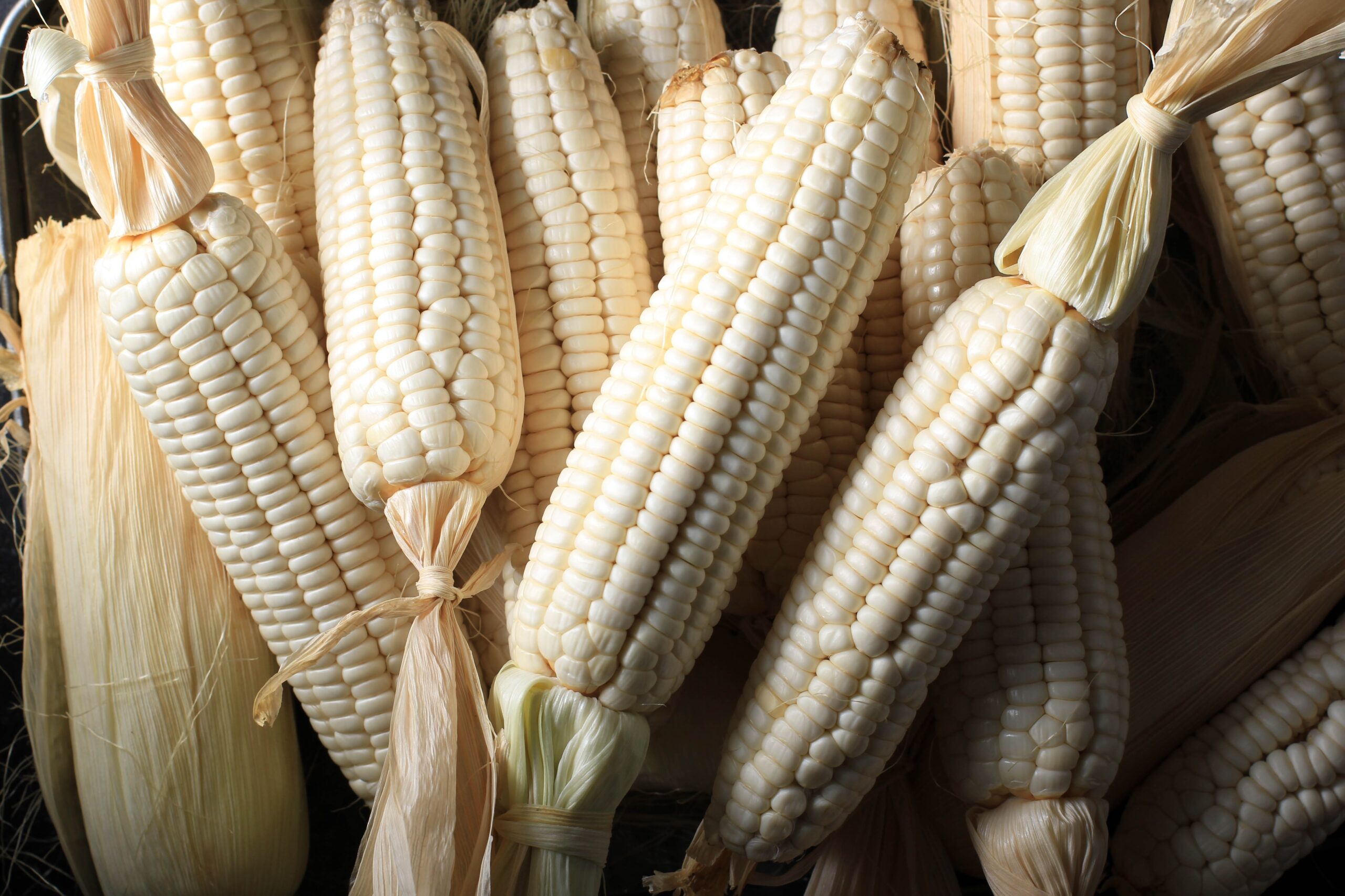
Corn displays a variety of colors, such as yellow, red, and purple, with white and yellow corn being the most common. White corn offers a sweet, delicate taste suitable for various cooking methods like roasting, sautéing, and boiling. Its kernels are versatile for salads, dips, and pasta dishes. While some assume yellow corn is sweeter, the difference lies in beta-carotene. This pigment gives it a yellow hue and a nutritional advantage as it converts to vitamin A during digestion. This distinction makes yellow corn slightly more nutritious than white corn but not any tastier.
White Fish

Whitefish is a term in fisheries referring to various demersal fish which usually offer a mild and slightly sweet flavor, suitable for soooo many recipes. These fish types, including wild Alaska pollock, bass, and halibut, are ideal for pan-frying, pan-searing, soups, chowders, and baking. They are low in fat, serving as healthier alternatives to red or processed meats high in saturated fat. Some whitefish species like sea bass, sea bream, and turbot contain omega-3 fatty acids, albeit in lower levels compared to oily fish.
White Lentils

Four primary categories of lentils exist brown, green, red/yellow, and specialty, like black. Brown lentils are the most prevalent type found in grocery stores without specific labels. Ivory White Lentils are rare and not true lentils, but the white center of black gram an Indian staple. When cooked, White Lentils have a soft texture and a mild, earthy taste, distinct from traditional lentils or beans, resembling barley instead.
White Peaches
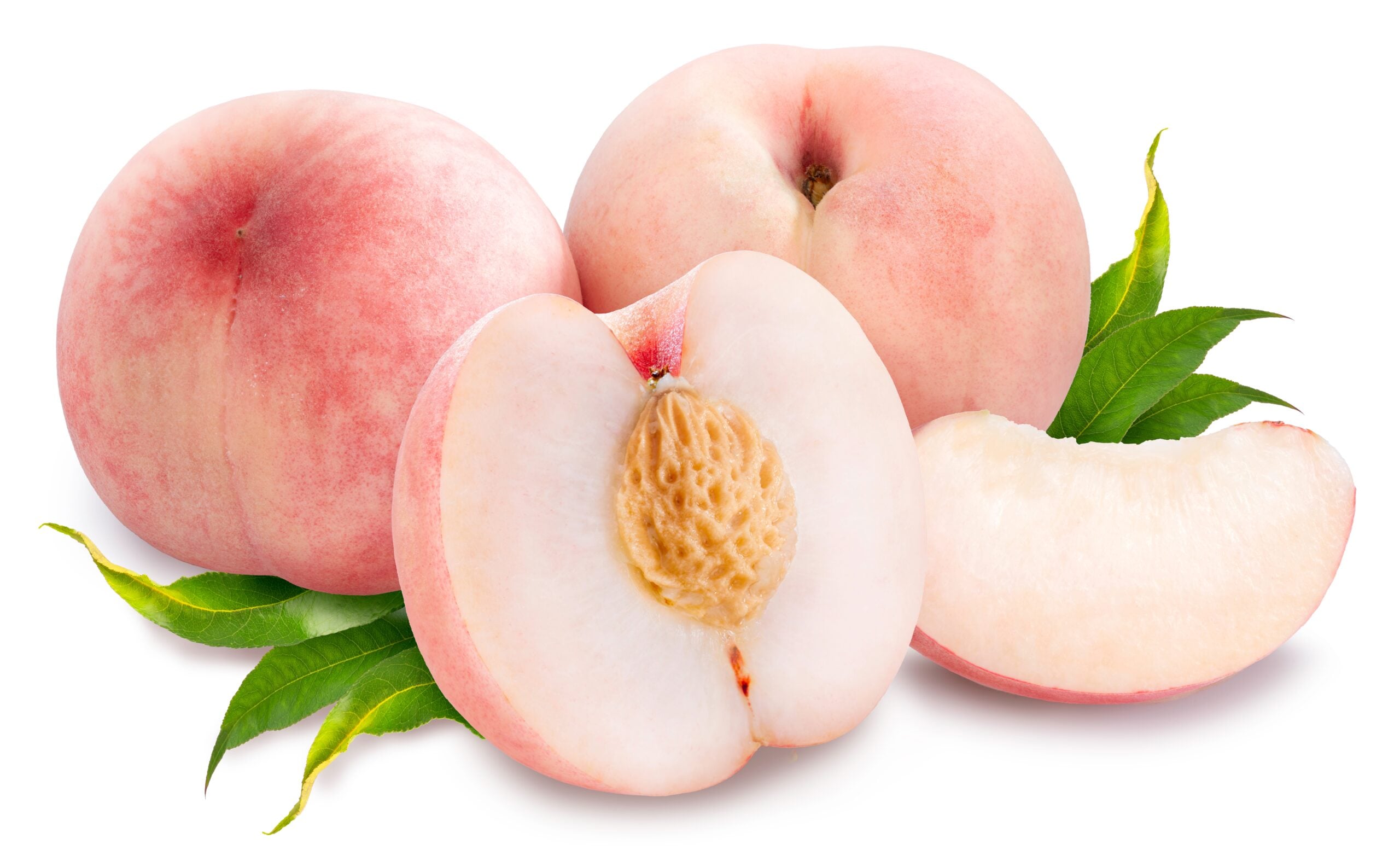
White peaches, a delicate variety of peach (prunus persica), hold a distinct charm for those less acquainted with peach families. Their pinky-white flesh exudes fragrant floral notes, making them a unique counterpart to the more common yellow peach. These peaches add a delightful touch to fruit salads, desserts, smoothies, and baked goods such as pies and cobblers. Their natural sweetness makes them an ideal snack and a perfect ingredient for jams, preserves, and fruit sauces.
White Pepper

White pepper, similar to black pepper, is derived from the berries of the pepper plant, Piper nigrum. However, unlike black pepper, white pepper is sourced from fully ripe berries that undergo a water soaking process for fermentation. This unique method produces white peppercorns with earthier flavors than hotter black peppercorns. The soaking duration impacts the depth of fermented flavor, ranging from mild to funky. With its intense aroma and sharp taste, white pepper is an excellent addition to rubs, marinades, and soups, especially in Asian cuisines.
White Pizza

White pizza, also known as white pie, diverges from traditional pizza by forgoing the typical tomato sauce. Crafted with pizza dough, olive oil, garlic, cheese, salt, and optional toppings like vegetables such as spinach, tomato, and herbs, white pizza offers a milder, more nuanced flavor profile. The absence of robust tomato sauce allows the toppings to shine brighter. While the base is simple, various toppings can elevate it – popular choices include veggies like spinach, artichokes, and mushrooms, and for seafood lovers, shrimp can be a delightful addition. Meat enthusiasts may appreciate toppings like prosciutto and bacon.
White Pumpkins

Classified under Cucurbita maxima, white pumpkins represent various pumpkin types. White pumpkins exhibit a flavor profile almost identical to their orange counterparts. The flavor depends on how they’re grown and their size. Bigger white pumpkins usually have more watery and stringy insides than smaller ones. While commonly used for decorative purposes, white pumpkins are versatile in culinary applications – suitable for baking, roasting, and more. Some varieties serve well in waffles, bread, puddings, and tarts, while others can be cubed, roasted, and added to salads or pastas.
White Truffle

The white truffle, scientifically named Tuber magnatum, is part of a family called Tuberaceae in a group known as Pezizales. This prized fungal species is predominantly found in regions of southern Europe, the Balkans, and even Thailand. Renowned for its subtle flavor profile reminiscent of garlic with hints of pepper, the white truffle shares a common fresh and rich essence with other truffle varieties, albeit each presenting its distinct twist. White truffle butter is super versatile and can make your mashed potatoes, roasted chicken, mac and cheese, pasta, and rice taste even better with its nutty and oaky flavors.
More Foods/Drinks!
Yellow foods listed with pictures, facts
100 foods that start with the letter A
100 foods that start with the letter B
100 foods that start with the letter C
3-letter foods listed with pictures and facts
4-letter foods listed with pictures and facts
Links on this page may be affiliate links, for which the site earns a small commission, but the price for you is the same


Leave a Comment