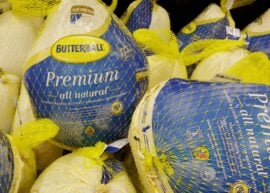
The FDA is making plans to ban or phase out several artificial food dyes, like Red 3, because of health concerns, including a possible link to cancer in lab rats. They’re also working to remove other synthetic dyes, such as Citrus Red 2 and Orange B, and aim to get rid of six more artificial dyes by the end of 2026.
Recently, health secretary Robert F. Kennedy Jr. announced that the FDA and the Department of Health and Human Services will take things further. They’re planning to ban more dyes, including Red 40, Yellow 5, Yellow 6, Blue 1, Blue 2, Green 3, Citrus Red 2, and Orange B. Looks like some foods might not look quite as colorful anymore!
Shutterstock
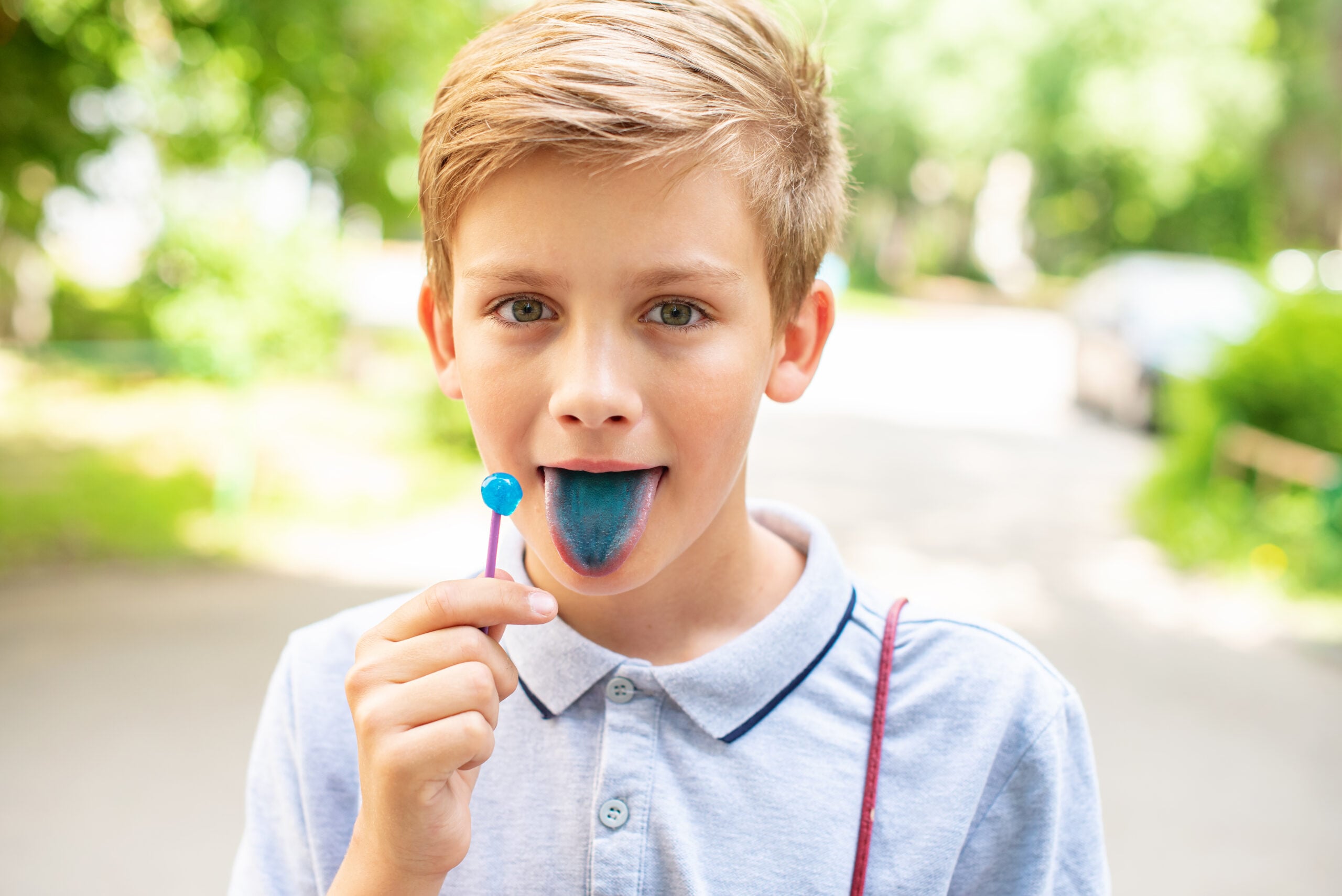
Here’s the full list of newly-banned dyes:
– Citrus red 2
– Orange B
– Red d3
– Red 40
– Yellow 5
– Yellow 6
– Blue 1
– Blue 2
Shutterstock

So, what does this mean for your food? Well, simply put, alternative approved food dyes may be used to add color to products, but it is possible that some products won’t look quite the same. The following are some examples of products that could be affected by the ban.
Shutterstock

Pickles may start as cucumbers, but once salt and food coloring are added, they become a less healthy choice. Many pickles contain yellow dyes to make them look brighter. While studies haven’t directly linked Yellow 5 or Yellow 6 to cancer, these dyes can have contaminants that may be connected to cancer risk.
Shutterstock
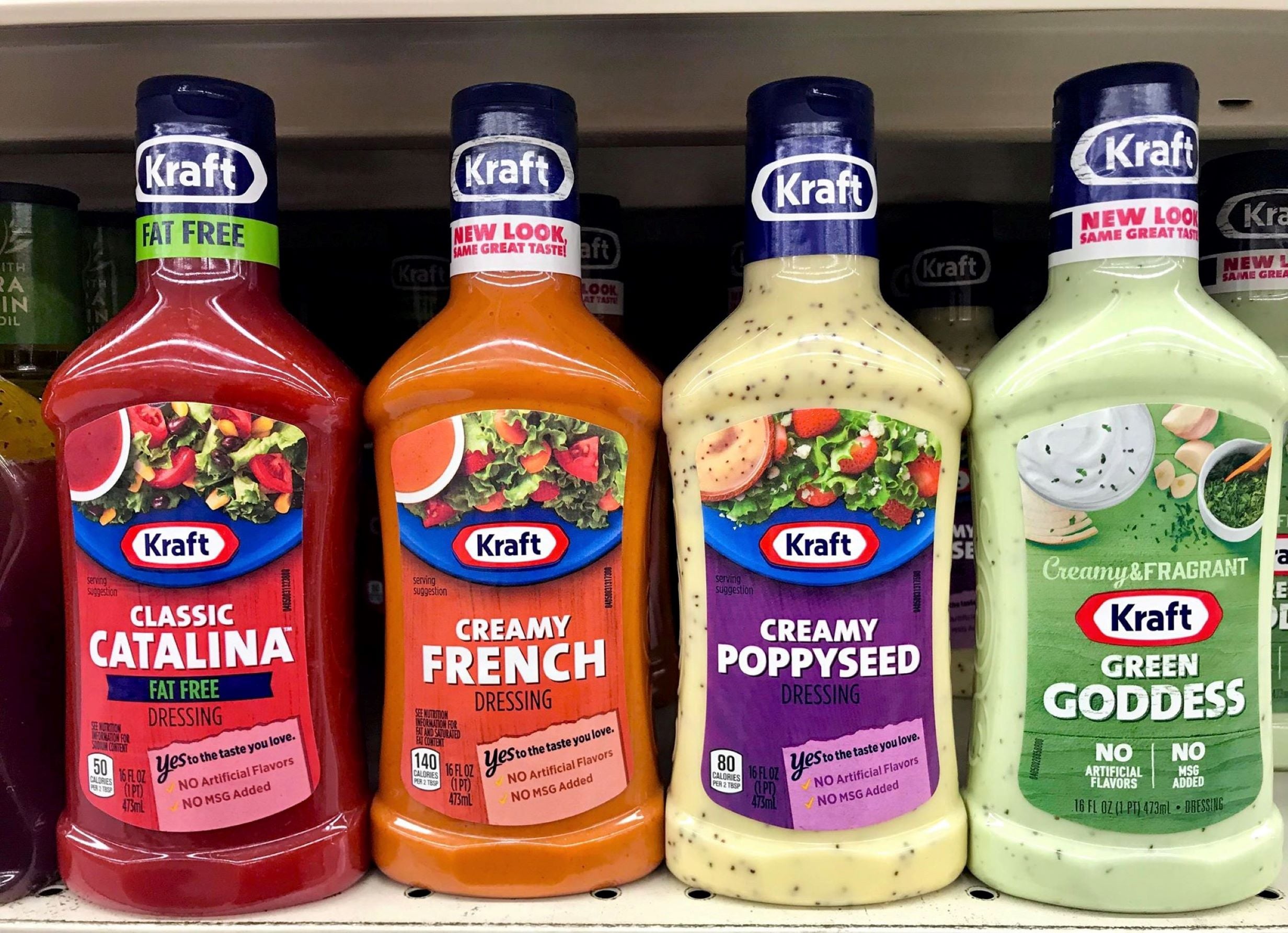
Have you ever noticed the bright orange color of Kraft’s Creamy French Dressing? That color comes from food dyes like Yellow No. 5 and Yellow No. 6, which are going to be banned soon. Kraft’s Classic Catalina dressing also uses dyes like Red No. 40 and Blue No. 1. Whether or not these dressings have dyes, making your own salad dressing at home can be a healthier and tastier choice.
Shutterstock

It’s not just salad dressings being affected by the dye ban, other condiments in your fridge may change too. For example, some brands of ketchup and mustard use food dyes to achieve their vibrant red and yellow colors. But don’t worry, there are still plenty of options for delicious condiments without the added dyes. Look for natural alternatives or try making your own at home with fresh ingredients.
Shutterstock

You might be surprised to learn that some hot dogs and sausage casings are colored with a dye called Orange B to make them look more appealing. However, starting in 2027, these products are expected to stop using this dye and will be dye-free instead.
Shutterstock

Food dye bans even impact fresh fruits like oranges. In Florida, oranges are sometimes dyed with Citrus Red 2 to give them a bright orange color. This happens because certain weather or growing conditions can cause oranges to stay green even when they’re ripe. After the dye ban, you might notice more green oranges in stores, but don’t worry, they’re still ripe and perfectly good to eat.
Shutterstock

Canned vegetables are an easy and affordable way to add more fiber to your diet. But without the food dye Blue No. 1, canned peas might not look as bright green. Even though their color changes, they still taste the same and keep all their nutrients.
Shutterstock

Like canned veggies, preserved fruits such as jams, jellies, and marmalades can have food dyes added. Dried or dehydrated fruits like mango often use dyes like Yellow No. 5, Yellow No. 6 to make them look more colorful.
Shutterstock

Food dyes aren’t just found in kids’ yogurt. Some brands popular with adults like Dannon and Yoplait also use colors like Red 40, Blue 1, and Yellow 6 in some of their products to make them look brighter. In the future, yogurts might have more natural, muted colors.
Shutterstock
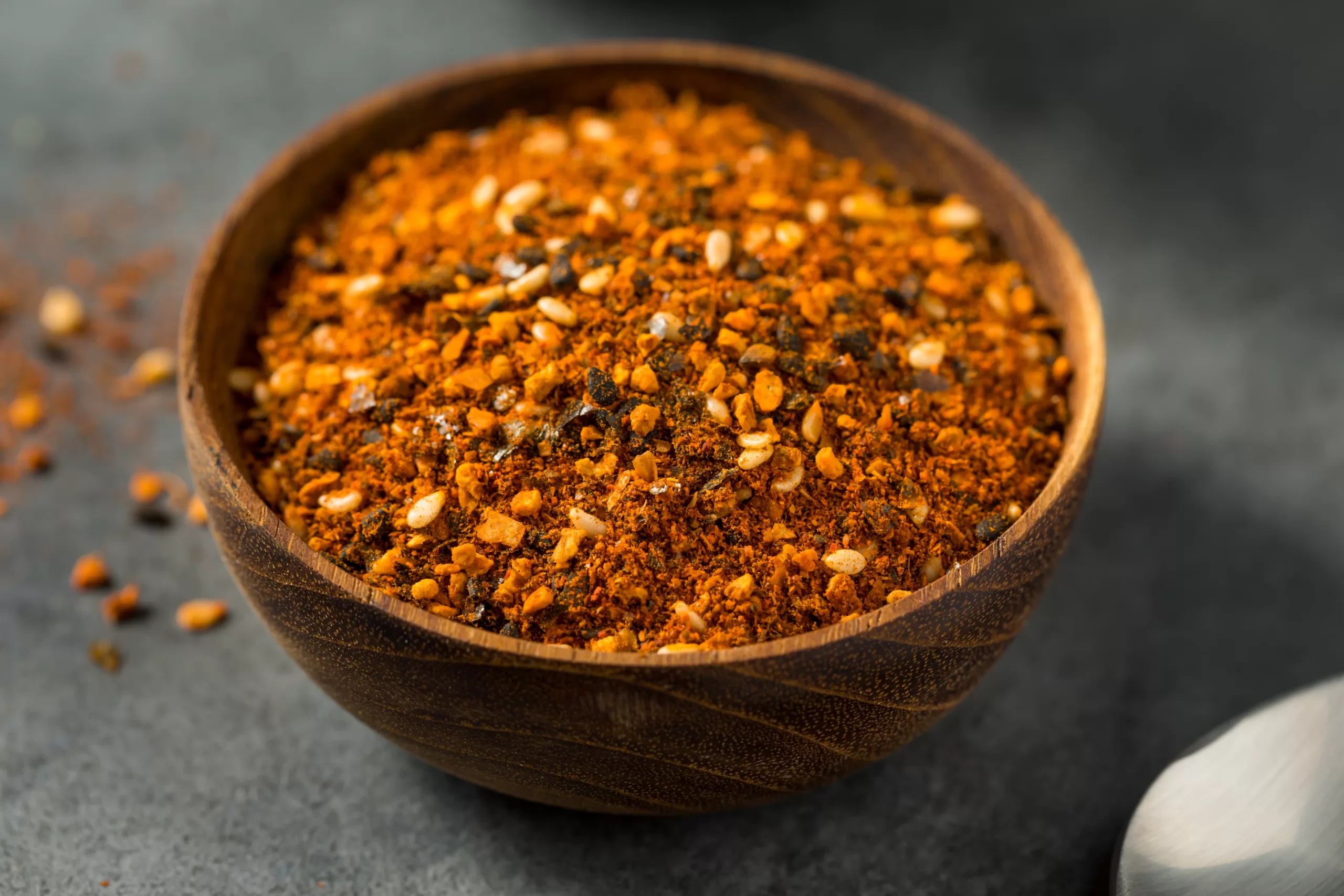
Some seasoning mixes on the market use artificial dyes for their color. After these dyes are banned, food might look less colorful. To brighten up dishes, you can add fresh ingredients like lemon slices instead!
Shutterstock

Popular drinks like Gatorade, Powerade, and Pedialyte use dyes like Red No. 40 and Blue No. 1 to give them their bright colors. Powdered drink mixes such as Sunkist, Country Time, Kool-Aid, 4C, and Crystal Light also use these dyes to look more appealing. When these drinks are made without dyes, they might look a little different, and you’ll probably need to stir or shake them a bit more to mix them properly.
Shutterstock

The FDA recently approved three new natural food colorants for various uses. The first is Galdieria extract blue, made from a type of red algae called Galdieria sulphuraria. It can now be used in beverages, smoothies, juices, yogurt drinks, candy, gum, ice cream, frostings, puddings, and more. The second, butterfly pea flower extract, is made by extracting color from dried butterfly pea flower petals. It changes colors from blue to purple to green and was already approved for items like sports drinks, teas, candy, and yogurt. Its use has now been expanded to include snacks such as crackers, pretzels, chips, and snack mixes. Lastly, calcium phosphate, a white colorant, is now approved for use in white candy, some kinds of sugar, and ready to eat chicken.
We’re, of course, big fans of making vibrant colors yourself.
Shutterstock

Follow The Coconut Mama for even more coverage on these and other interesting topics!
- Follow The Coconut Mama for fun ideas, health tips, and interesting topics to talk about!. Click here to access The Coconut Mama’s profile page and make sure to click the Follow button here or at the top of the article!
- Got feedback? Leave a comment below!
Shutterstock