

You’re not imagining it. Grocery prices really are out of control.
Now we know why: An investigation just exposed one of America’s largest grocery chains for systematically overcharging customers by an average of 18.4%.
Here’s how it all went down…
Follow The Coconut Mama
• For fun lists, healthy living tips, and bar conversation topics, make sure to follow The Coconut Mama. Click here to access The Coconut Mama’s profile page and be sure to hit the Follow button here or at the top of this article!
• Have feedback? Add a comment below!
Shutterstock
A joint exposé by Consumer Reports, The Guardian, and the Food & Environment Reporting Network went undercover at more than 24 stores across 14 states.
What they found was shocking: expired sale tags, outdated promotions, and customers being charged full price at checkout, over and over again.
Shutterstock
The chain under fire? Kroger, along with its subsidiaries like Ralphs, Harris Teeter, and Fry’s.
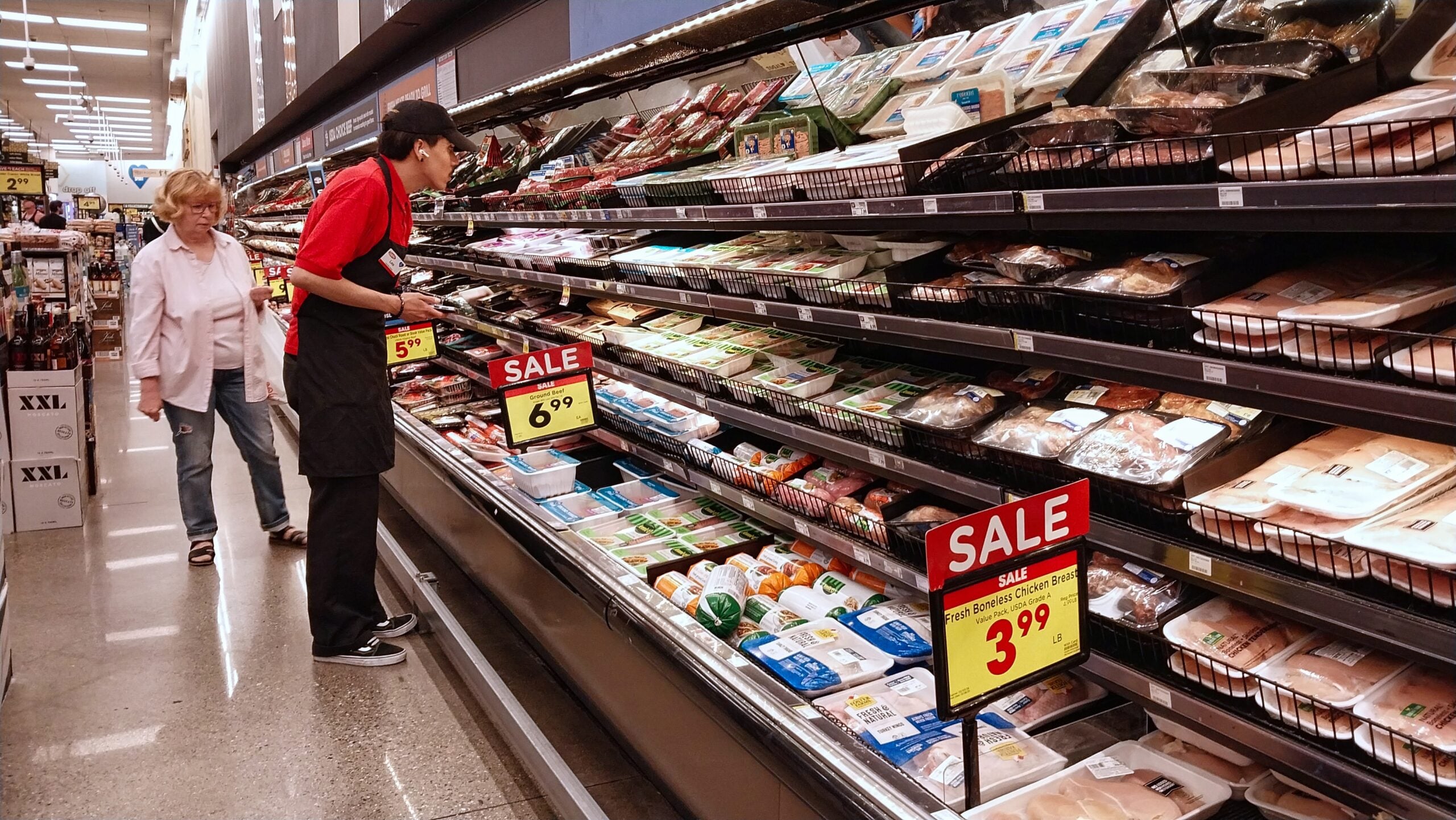
The report didn’t hold back. “Sale” signs were found left up for weeks or months, long after the deal expired.
And when shoppers got to the register? They paid full price.
Shutterstock
Here’s what investigators actually found:
They looked at over 150 everyday items (things like milk, cereal, frozen snacks, pet food, even cold medicine).
On average, shoppers were being charged 18.4% more than the price listed on the shelf.
In some cases, the sale tags were up to 90 days old. Just sitting there, long after the deal had expired.
So you’d think you’re getting a discount… but when you check out, you’re actually paying full price.
This wasn’t one or two mix-ups. It was happening across dozens of stores, in multiple states.
That’s not a fluke. That’s a pattern.
Shutterstock
According to the investigation, shoppers were paying about $1.70 more per item than advertised.
That might not sound like much, but over a cart of 20 items, that’s an extra $34 you didn’t expect.
Week after week, that adds up to HUNDREDS of dollars.
Shutterstock

Investigators visited locations in 14 different states and DC.
In every region, they found the same issue: outdated price tags creating a “phantom discount” that never made it to checkout.
As one expert put it: “It’s deceptive advertising in plain sight.”
Shutterstock
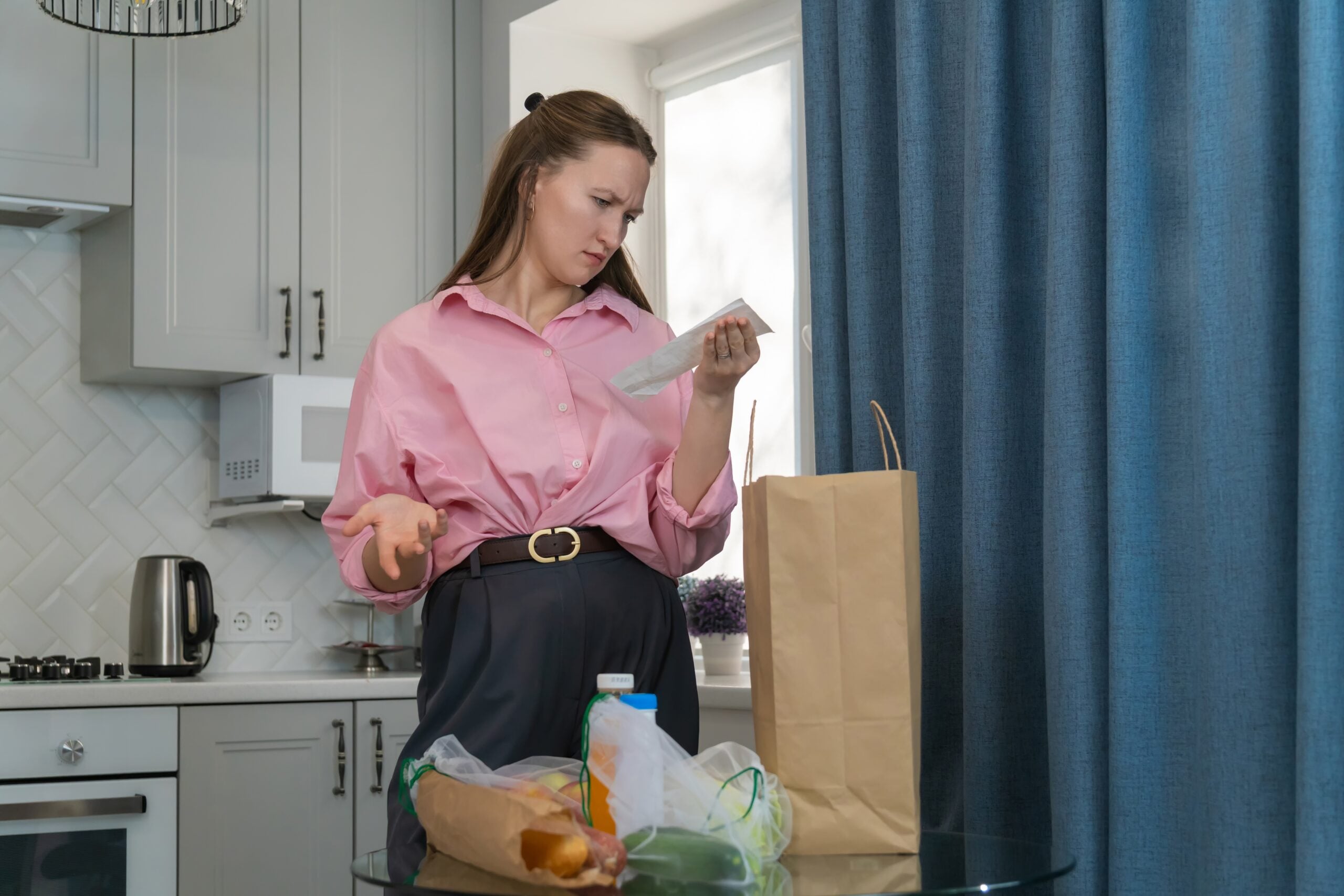
One woman in Arizona said she was charged $7.99 for a box of crackers that was clearly labeled $5.49.
“I asked the cashier, and she said, ‘Oh yeah, that happens a lot,’” she told a local news station.
That kind of response didn’t sit right, and clearly, she wasn’t the only one noticing.
Honestly, I’ve had the same thought. I’ll grab a few things, nothing crazy, and somehow my total is way higher than expected.
Turns out, it’s not just me. Millions of shoppers may have been quietly overpaying (without even realizing it).
Shutterstock
You might be wondering, “How did this go unnoticed“?
Well, it turns out Kroger cut staffing levels in recent years, especially in departments responsible for updating prices.
The investigation found that stores with the most errors had fewer employee hours and longer gaps between shelf audits.
Honestly, it seems like this could have started as an accident due to not enough staff, maybe a few outdated tags slipping through the cracks…
But over time, those mistakes quietly started to benefit the company. Customers were getting overcharged, and the extra money kept rolling in.
And instead of fixing it, they stayed quiet.
Follow The Coconut Mama
• For fun lists, healthy living tips, and bar conversation topics, make sure to follow The Coconut Mama. Click here to access The Coconut Mama’s profile page and be sure to hit the Follow button here or at the top of this article!
• Have feedback? Add a comment below!
Shutterstock
According to The Guardian, internal emails show that Kroger’s corporate leadership was well aware of the pricing issues tied to expired shelf tags.
In one message, a store manager told a regional leader:
“We’re getting complaints every day, and it’s impacting trust.”
Other employees echoed the same concerns, saying customers were constantly flagging mismatched prices, but stores didn’t have the staff or support to keep up.
Despite the warnings, no system-wide fix was rolled out.
Shutterstock
When the investigation came out, Kroger didn’t exactly deny the overcharges.
Instead, the company described it as “a limited number of pricing issues” affecting “a relatively small number of items.”
They also said:
“We perform millions of price checks each week to help ensure the accuracy of the tags and signage in our stores.”
But so far, they haven’t announced any plan to reimburse shoppers, and there’s been no system-wide fix or public acknowledgment of how widespread the issue may be.
Shutterstock

Attorneys in multiple states have already filed class action lawsuits, alleging deceptive pricing and consumer fraud.
And more lawsuits are expected as additional states dig into the data.
One attorney said: “If this happened at your local store, you could be entitled to compensation.”
Shutterstock

Senator Elizabeth Warren reintroduced the Price Gouging Prevention Act in early 2025, aiming to stop corporations from exploiting consumers with inflated pricing.
And in direct response to the Kroger investigation, Senator Ruben Gallego called on the company to:
“Immediately repay all affected shoppers.”
The pressure is building – from both consumers and Congress.
Shutterstock

To address some of the confusion around outdated signage, Kroger is rolling out digital shelf tags in many of its stores.
These high-tech tags can update prices instantly, which could help reduce mismatches at checkout.
But experts warn they might also pave the way for dynamic pricing – where the cost of your groceries changes throughout the day based on demand, timing, or other factors.
It’s the same model used by ride-share apps and airline tickets.
Only now, it could affect your milk, bread, or box of cereal.
Shutterstock

Okay, so what if this did happen to you?
You’re not totally out of luck. Here’s what you can do:
– Snap a quick photo of the shelf tag before checkout
– Double-check your receipt right after you pay
– If something rings up higher than the tag? Ask!
Kroger has a “Make It Right” policy that’s supposed to honor the shelf price if you catch it.
Of course, you shouldn’t have to do this… The price on the shelf should match the one at checkout.
But in the meantime (while stores figure this out) it’s on us to stay sharp.
Shutterstock

The spotlight’s on Kroger right now, but the questions go deeper.
If price mismatches like this slipped through the cracks at the nation’s largest grocery chain, what else is going unnoticed across the industry?
More investigations are in the works. Lawsuits are piling up. Lawmakers are starting to connect the dots.
And this might be just the beginning.
Shutterstock

This wasn’t just a few expired tags.
It was a 18.4% hidden markup on everyday groceries, with millions of people unknowingly paying more every week.
Makes you wonder… when prices go up, is it really inflation like we always hear about, or is it just price gouging?
Have you spotted mismatched prices in your cart? Think this is happening at stores near you?
Leave a comment. We want to hear from you!
Shutterstock


Leave a Comment