

Wisconsin is feeling the heat. In just a matter of months, six major food and beverage facilities across the state have announced closures, sending shockwaves through local economies and putting hundreds out of work.
From Chippewa Falls to Beaver Dam, these losses are piling up fast. So what’s really going on behind the scenes?
Let’s break it down:
Follow The Coconut Mama
• For fun lists, healthy living tips, and bar conversation topics, make sure to follow The Coconut Mama. Click here to access The Coconut Mama’s profile page and be sure to hit the Follow button here or at the top of this article!
• Have feedback? Add a comment below!
Shutterstock

StoneRidge Piggly Wiggly, a local name in grocery and meat processing, has confirmed that it’s shutting down operations in Wisconsin. This closure hasn’t made major headlines, but make no mistake – it’s already impacting employees and suppliers.
Sometimes the quiet ones hit the hardest.
Shutterstock

Silgan Containers, a top supplier of metal food packaging for America’s favorite brands, is shutting down its Oconomowoc plant.
According to a May 21 WARN notice, 56 employees are being laid off beginning July 21, with limited production expected to continue into August 2025 (or possibly longer).
Silgan’s cans are everywhere – soups, beans, pet food, tomatoes… if it comes in a can, chances are Silgan made it.
Shutterstock

Midwest Perishable Industries (MPI), which handled meat products, permanently closed its Madison facility in April, leaving around 50 workers without jobs.
The company’s primary lender pulled its credit line, cutting off critical funding. MPI tried to sell the business to stay afloat, but the deal fell through – forcing a full shutdown by April 16.
The WARN notice cited “unforeseeable business circumstances” under state and federal law. For employees, the collapse came fast, and without much warning.
Shutterstock

Molson Coors is shutting down the Leinenkugel’s brewery – in operation since 1857. That’s 168 years of brewing history, gone.
The closure is scheduled for January 17, 2025, and marks the end of one of Wisconsin’s most iconic beer facilities.
Shutterstock

Generations of workers, beer lovers, and tourists saw the Chippewa Falls brewery as a cornerstone of Wisconsin culture.
Now? Jobs are gone, tourism takes a hit, and one of the last big legacy breweries in the state is folding into a corporate system. You can’t blame locals for feeling blindsided.
Shutterstock

Conagra Brands is shutting down its Birds Eye frozen vegetable plant in Beaver Dam. This facility played a major role in producing packaged veggies for grocery store freezers nationwide.
While Conagra hasn’t confirmed the total number of job losses, this is a big operation, and a big hit to a small town.
Shutterstock

TouchPoint Services, a foodservice contractor and part of Compass Group, is shutting down operations at its Milwaukee location after its client’s business was unexpectedly sold.
The sale led to an early termination of TouchPoint’s service contract – resulting in a full facility closure and permanent layoffs for its kitchen and foodservice staff starting August 1, 2025.
While some workers may be hired by the buyer, there are no guarantees.
Follow The Coconut Mama
• For fun lists, healthy living tips, and bar conversation topics, make sure to follow The Coconut Mama. Click here to access The Coconut Mama’s profile page and be sure to hit the Follow button here or at the top of this article!
• Have feedback? Add a comment below!
Shutterstock

That brings the total to six major closures in Wisconsin’s food sector – spanning frozen veggies, beer, meat, and packaging. These aren’t random incidents.
Together, they point to a broader shift in how and where food is made, and Wisconsin is feeling the brunt of it.
So what’s behind this growing wave of shutdowns?
Shutterstock

There’s no single reason, but here’s what we’re seeing:
– Rising interest rates make it harder for companies to borrow (as MPI found out).
– Big brands are consolidating and closing older facilities (Birds Eye, Leinenkugel’s).
– Inflation is pushing up costs across the board—from packaging to payroll.
– Contract volatility is leaving service providers like TouchPoint exposed.
It’s a tough time to operate a food production/packaging facility.
Shutterstock

It’s not just the factories. These closures hit truck drivers, warehouse teams, maintenance staff, third-party vendors, and even nearby restaurants and gas stations.
Take Silgan, for example. If they stop producing cans locally, other food producers in the region may need to find new suppliers – or move production out of state entirely.
Shutterstock
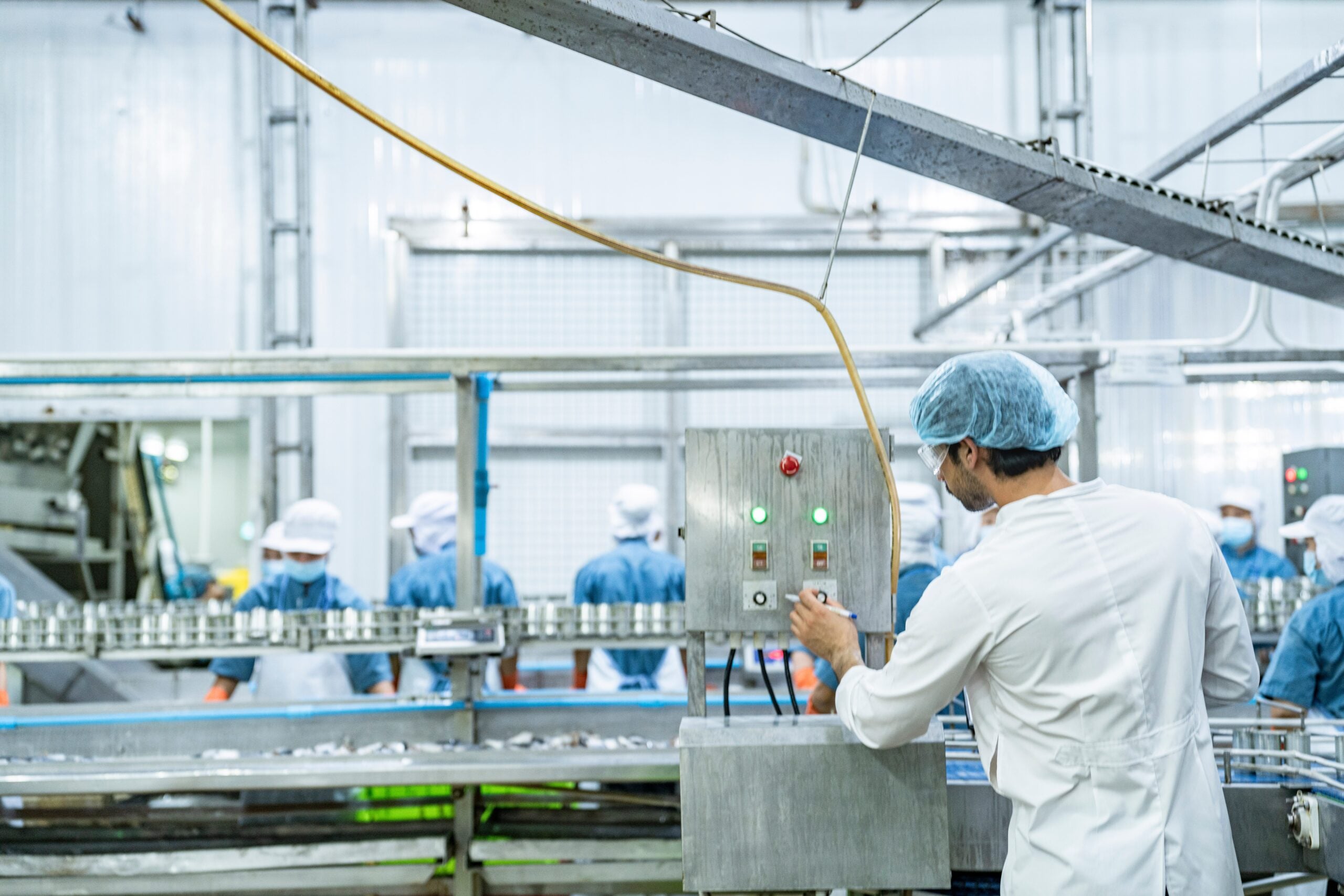
Hundreds of Wisconsin workers are now out of a job. And in places like Madison, Beaver Dam, or Chippewa Falls, new opportunities don’t exactly grow on trees.
Some may be rehired elsewhere – Conagra might staff up at other sites, or TouchPoint’s buyer could keep a few cafeteria workers—but for most, the layoffs are marked permanent.
That means retraining, relocating, or toughing it out in a slowing job market. Severance helps, but only goes so far.
Shutterstock

Wisconsin isn’t alone. Across the country, food and beverage plants are shutting down at an alarming pace.
– In California, Blue Diamond and Frito-Lay closed major facilities.
– In New York, Pepsi and Smithfield have scaled back operations.
– Illinois and Texas have seen major layoffs in frozen foods, snacks, and beverage bottling.
Rising costs, automation, and shifting demand are hitting legacy brands and regional employers everywhere. What’s happening in Wisconsin is part of a much larger shake-up in how food gets made in America.
Shutterstock

Yes, and in some areas, it already is.
Wisconsin is still a national leader in dairy, cheese, craft spirits, and specialty meats. Some parts of the food industry are even growing – especially smaller producers focused on things like artisan cheese, fermented foods, and “clean label” snacks.
There’s also more investment going into cold storage and distribution, which helps support changing grocery and delivery trends.
With the right mix of training, funding, and local support, some parts of the food sector could come back even stronger (but probably not in the same form as before).
Shutterstock

So there you have it – the six facilities Wisconsin has lost in just a matter of months.
Of course, it’s not just about the buildings… It’s about the jobs, the families, and the economic ecosystems they supported.
So, what do YOU think? Did any of these closures affect you or your community? Let us know in the comments!
Shutterstock


Leave a Comment