

Another blow to American workers: six meatpacking plants have closed in just the past year – wiping out over 2,000 jobs across the country.
From Kansas to California, these shutdowns are happening fast, and in towns where jobs like these are everything.
And they raise a big, uncomfortable question: Is this just the beginning?
Let’s break down what’s actually happening plant by plant:
Follow The Coconut Mama
• For fun lists, healthy living tips, and bar conversation topics, make sure to follow The Coconut Mama. Click here to access The Coconut Mama’s profile page and be sure to hit the Follow button here or at the top of this article!
• Have feedback? Add a comment below!
Shutterstock

This one shocked a lot of folks.
Tyson Foods closed its beef and pork facility in Emporia, Kansas, leaving hundreds jobless in a town that’s long relied on meatpacking as a stable employer.
Tyson confirmed in April 2024 that it would permanently close its Emporia, Kansas plant by July .
The reason? “To better align production capacity with demand,” according to their press release.
Roughly 275 workers lost their jobs. Tyson said eligible team members would get retention bonuses and severance packages, but it’s still a major blow to the local economy.
Shutterstock

Tyson didn’t stop in Kansas.
The first of two Philadelphia plants — this one on North 5th Street — also shut down. It specialized in prepared foods (like frozen meals and deli meats).
Tyson said it was “not a decision we take lightly.”
But still, 350 people lost work here.
Shutterstock

The second Philly plant – just a few miles away on Rising Sun Avenue – closed the same day.
Same story. Another 350-ish jobs.
Tyson’s whole Philly footprint essentially disappeared overnight.
And let’s not forget – many of these workers are longtime staffers, union members, or new immigrants who just got a foothold.
Shutterstock
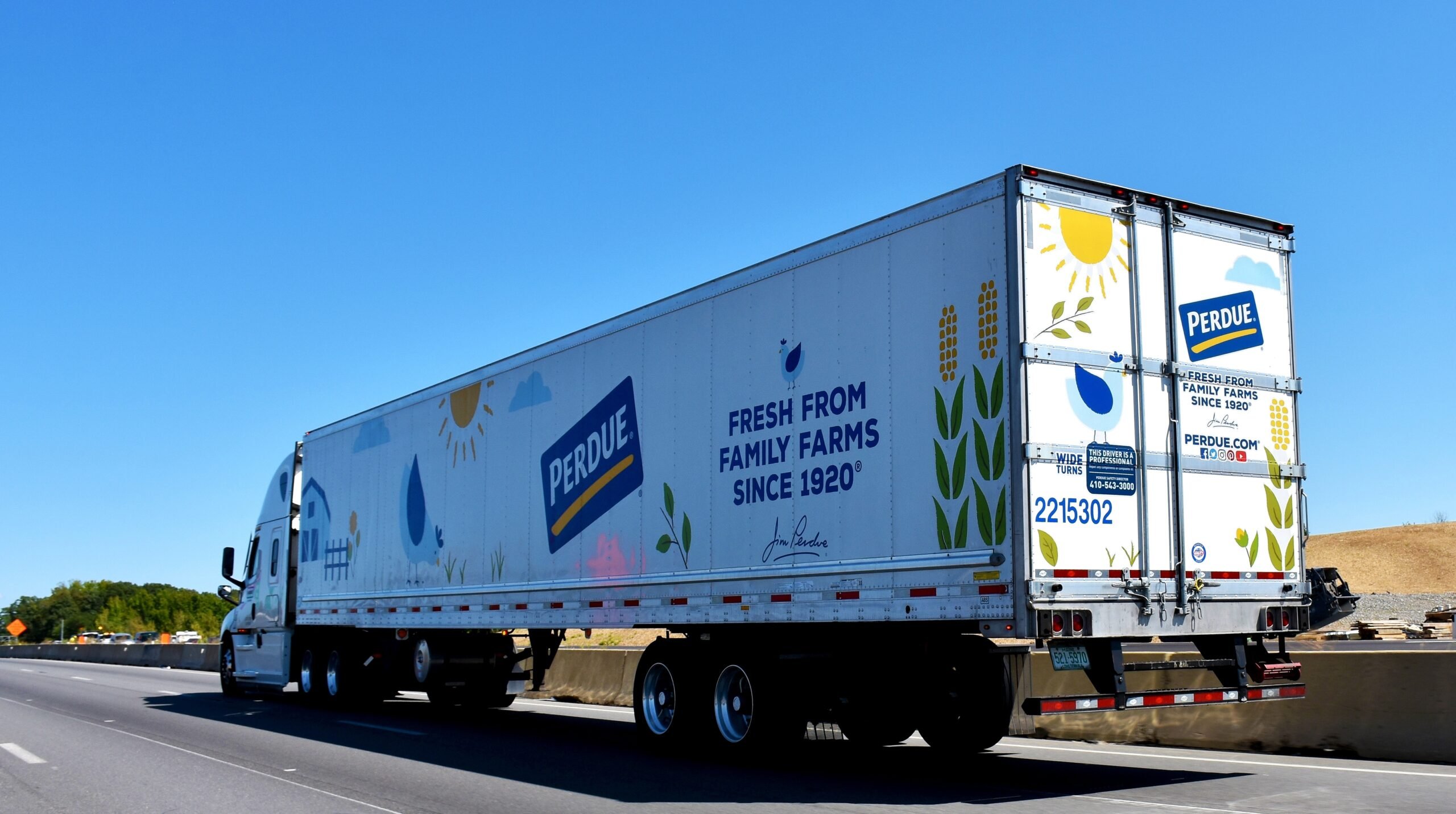
Next up: Perdue’s Monterey plant in Tennessee.
They shut this one citing “the age of the facility” and saying it just wasn’t worth the cost to modernize.
It’s a small town, which means not many backup options.
Over 200 people suddenly needed to figure out where their next paycheck was coming from.
Shutterstock

In March 2024, Foster Farms shut down a cooked poultry facility in Turlock, CA.
They called it “a difficult decision” and said they were “realigning resources.”
That’s corporate for: we can make our products more cheaply somewhere else.
Rough estimates suggest 200–250 people were impacted.
Shutterstock

Owned by Cargill, this plant processed turkey under the Shady Brook name.
No big splashy announcement, but workers were told it was part of “capacity consolidation.”
So, fewer plants, more machines, fewer humans.
It’s the quiet closures like this that often hit the hardest.
Shutterstock

You may not work in meatpacking. But if you do buy meat, this affects you.
So if you’re noticing…
– Less variety at the grocery store
– Price hikes on chicken or bacon
– More “out of stock” signs in the fridge section
…it could be because plants like these are disappearing.
Fewer processors = less backup = more fragility in the food chain.
Shutterstock

Let’s not pretend this is random.
Since 2023, over a dozen meatpacking facilities have shut down. Poultry, pork, beef, frozen foods – nothing’s off limits.
Even giants like Smithfield and Hormel are quietly consolidating.
This isn’t a series of one-offs. It’s a full-blown industry shift.
Shutterstock

Companies will tell you it’s about “efficiency.”
And yeah, they’re not wrong… Costs are up across the board: labor, feed, energy, insurance, you name it.
But it’s also about something else: consolidation.
They want fewer plants doing more work, with fewer people.
And that’s the scary part…
Follow The Coconut Mama
• For fun lists, healthy living tips, and bar conversation topics, make sure to follow The Coconut Mama. Click here to access The Coconut Mama’s profile page and be sure to hit the Follow button here or at the top of this article!
• Have feedback? Add a comment below!
Shutterstock

Let’s be real: machines don’t call in sick.
So companies like Tyson and Cargill are betting big on automation, especially in newer facilities in states that don’t have strict labor laws.
That’s great for their margins.
Not so great for the 55-year-old forklift operator who just lost his job.
Shutterstock

Emporia. Monterey. Springdale.
These small towns are built around plants like these.
When they close, it’s not just jobs lost. It’s empty diners, shuttered gas stations, and kids pulled out of school because families have to move.
It’s a domino effect, and it hits fast.
Shutterstock

Every time a plant closes, the shockwaves are massive:
– Farmers lose contracts
– Truck drivers lose routes
– Grocery prices shift
– Local economies deflate
And sure, the meat still gets made somewhere, but it’s now likely processed further away and by fewer people.
Shutterstock
Tyson says they’re “working with impacted team members.”
Perdue says the Monterey closure was “unavoidable.”
Foster Farms says it was a “strategic realignment.”
Cargill…didn’t really say anything at all.
But across the board, the message is clear: this was about cost savings. Not people.
Shutterstock

Honestly? Probably more closures.
Especially in older plants or states with tougher environmental or labor rules.
This is part of a much bigger trend, and we’re watching it play out in real time.
Shutterstock

Six major meatpacking plants. Over 2,000 jobs gone. And it all happened within the last year.
But really, this isn’t just about meat.
It’s about shrinking job opportunities. Struggling towns. And a food system that feels increasingly unstable.
Whether you eat burgers or tofu… you’ll feel the impact eventually.
So, what do you think about these closures? Have you noticed the effects of a local factory closure?
Drop your thoughts in the comments. I want to hear what you think!
Shutterstock



Leave a Comment