

President Trump is mixing things up again (not too surprising). This time, it has to do with the type of sugar used in soda, specifically, Coca-Cola products.
What does this mean for the corn and sugar industries? It turns out, a lot…
Follow The Coconut Mama
• For fun lists, healthy living tips, and bar conversation topics, make sure to follow The Coconut Mama. Click here to access The Coconut Mama’s profile page and be sure to hit the Follow button here or at the top of this article!
• Have feedback? Add a comment below!

On July 16th, Trump posted this on one of his social media accounts: “I have been speaking to Coca-Cola about using REAL Cane Sugar in Coke in the United States, and they have agreed to do so. I’d like to thank all of those in authority at Coca-Cola. This will be a very good move by them — You’ll see. It’s just better!”
Shutterstock
Coca-Cola products (and most types of soda) are sweetened with high-fructose corn syrup (HFCS) instead of “regular” sugar, AKA table sugar/sucrose/cane sugar.
HFCS is a sweetener derived from corn and is nutritionally similar to cane sugar. It’s preferred by some food and beverage manufacturers because it has a similar sweetness level to sucrose while being cheaper than cane sugar.
Shutterstock
Coca-Cola responded to Trump’s statement, saying, “We appreciate President Trump’s enthusiasm for our iconic Coca‑Cola brand. More details on new innovative offerings within our Coca‑Cola product range will be shared soon.”
So, nothing rock solid from Coca-Cola about switching from high-fructose corn syrup to cane sugar YET…
Shutterstock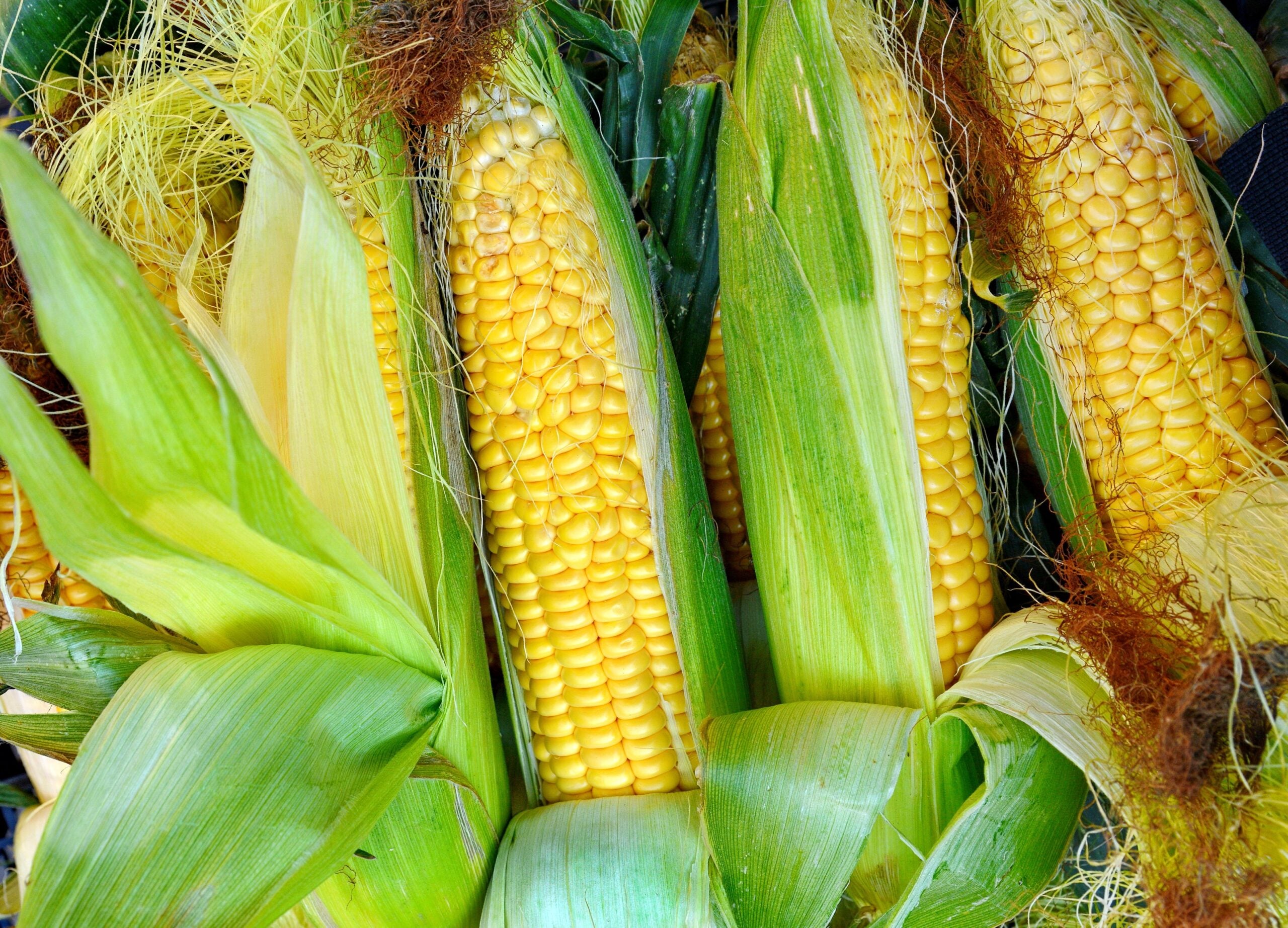
Even though Coca-Cola hasn’t said anything definitive about switching from HFCS to sugar, the news was enough to get the Corn Refiners Association talking. “Replacing high fructose corn syrup with cane sugar would cost thousands of American food manufacturing jobs, depress farm income, and boost imports of foreign sugar, all with no nutritional benefit”, it said.
Shutterstock
Swapping HFCS for real sugar would have an impact on corn farmers in the US. By switching to cane sugar, corn farmers (especially in Iowa, the top corn-producing state) would take a hit, while cane sugar farmers would get more business (Florida and Louisiana are both top cane sugar producers).
Shutterstock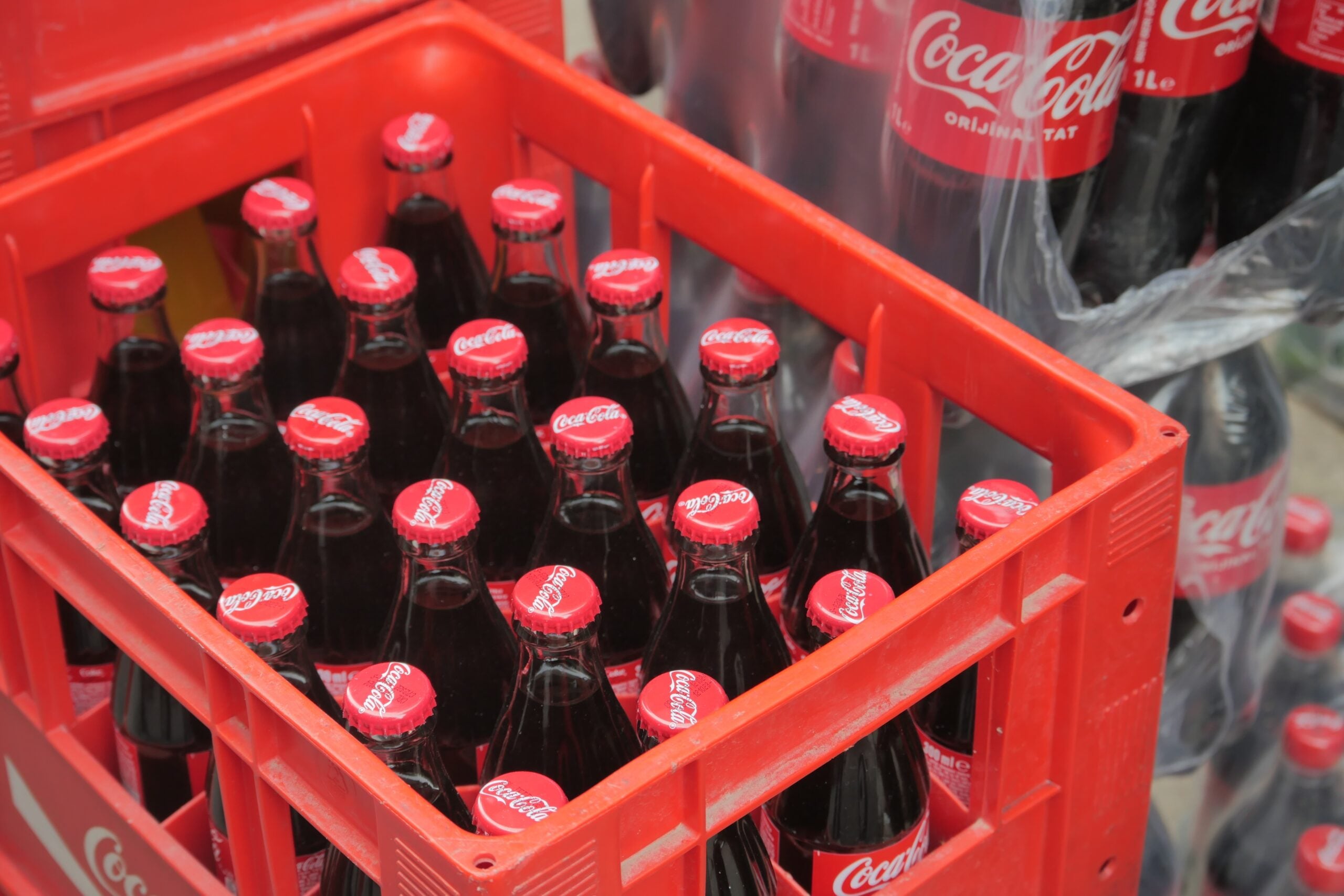
Some brands of soda already offer products using cane sugar instead of HFCS. These products typically are labeled as such, like “Pepsi Real Sugar”.
How does the cost compare for soda with HFCS and soda with cane sugar? Let’s take a look…
Shutterstock
A 12-pack of Pepsi Real Sugar (144 oz. total) is currently $8.39 at my local Target, and the same size case of Pepsi made with HFCS is the same price ($8.39). That’s a little perplexing considering HFCS is more expensive than cane sugar…
Follow The Coconut Mama
• For fun lists, healthy living tips, and bar conversation topics, make sure to follow The Coconut Mama. Click here to access The Coconut Mama’s profile page and be sure to hit the Follow button here or at the top of this article!
• Have feedback? Add a comment below!

According to Fox Business, bulk high-fructose corn syrup is around $0.35 per pound in 2025, while cane sugar is $1.01 per pound.
However, HFCS has only increased in price by around 30% since 2015, while cane sugar has gotten significantly more expensive, with a price increase of around 66% since 2015.
Shutterstock
The Make America Healthy Again (MAHA) campaign was launched when Trump took office and is headed by Robert F. Kennedy, Jr., Secretary of Health and Human Services.
The MAHA aims to ban artificial dyes and reduce the sugar content of processed foods. Is switching to real sugar going to help accomplish that goal? Not necessarily…
Shutterstock
Switching the sweetener in soda (like Coca-Cola might be doing) won’t reduce the sugar content at all. High-fructose corn syrup and cane sugar are nearly identical in terms of their sugar content, and regular sugar isn’t necessarily “better” for you than HFCS.
The American Medical Association says: “…insufficient evidence exists to specifically restrict use of high fructose corn syrup (HFCS) or other fructose-containing sweeteners in the food supply or to require the use of warning labels on products containing HFCS.”
AMA does encourage the limiting of added sugars in general, and that includes HFCS and regular sugar.
Shutterstock
It’s unclear if Coca-Cola is going to ditch HFCS completely in lieu of regular sugar. Even if it does, it’s not going to change the nutritional value of soda (it’s still very high in added sugar either way).
Switching to cane sugar WOULD have an impact on the corn industry, though.
What do you think of Coca-Cola’s potential switch to cane sugar? Share your thoughts in the comments!
Shutterstock


Leave a Comment