
C is for cranberry juice, but it’s also for coffee, which in excess will have you either crushing your to-do list or shaking with anxiety in a corner and reaching for a calming chamomile tea. What fun! Let’s delve into 25 beverages starting with the letter C to kick off your next alphabet party with style.
Drinks That Start With C – Alphabetized
Alcoholic Drinks
- Caipirinha
- Campari Soda
- Cape Codder
- Cassis (Blackcurrant Liqueur)
- Champagne
- Clover Club Cocktail
- Cognac
- Cosmopolitan
- Cuba Libre
Non-Alcoholic Drinks:
- Café au Lait
- Caffè Americano
- Caffè Mocha
- Calamansi Juice
- Cappuccino
- Caramel Macchiato
- Chai Latte
- Chamomile Tea
- Cherry Cola
- Chocolate Milkshake
- Cider (non-alcoholic variety)
- Coconut Water
- Cola
- Cranberry Juice
- Cream Soda
- Cucumber Water
Drinks That Start With C – List
Alcoholic Drinks:
Caipirinha
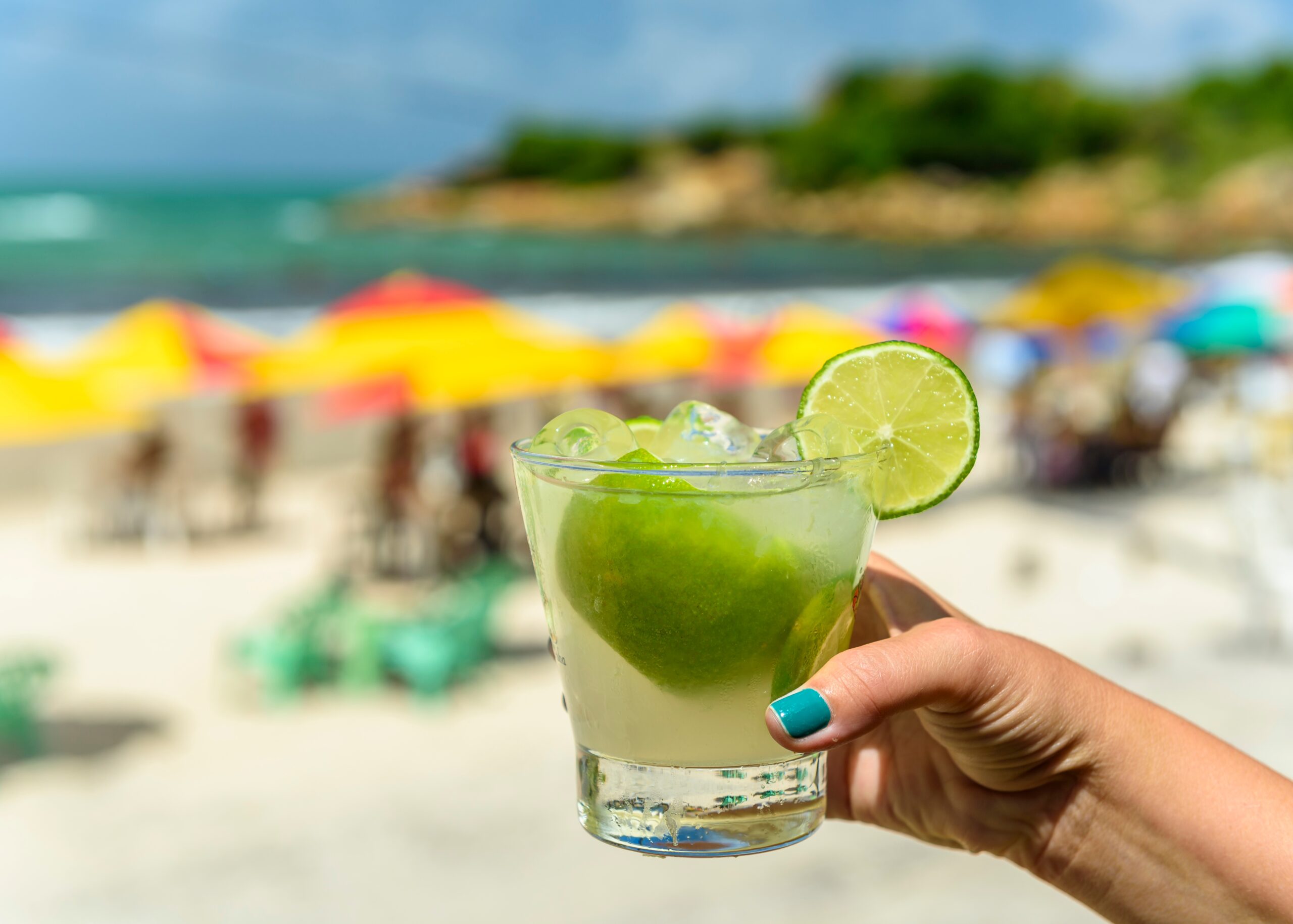
Caipirinha is a Brazilian cocktail from São Paulo, made with cachaça, sugar, lime, and ice. To prepare, mix the lime and sugar, then add the liquor. A good Caipirinha is a mix of sweet, sour, and strong flavors. The sugar’s sweetness, the lime’s tartness, and the cachaça’s robustness create a balanced taste. Caipirinhas go well with snacks like salsa fresca, tortilla chips, guacamole, and empanadas, similar to Margaritas, Daiquiris, or Mojitos. Enjoy this refreshing drink that combines the flavors of Brazil!
Campari Soda

The Campari and soda cocktail is a simple and drink for a pre-dinner apertif. Campari is a bitter liqueur with hints of sweet orange and cherry flavors, along with a touch of cinnamon and clove spiciness. Club soda tones down these flavors and brings a bubbly freshness. An orange slice complements the drink due to Campari’s orange notes. For a different twist, a lemon garnish can be gently squeezed over the drink, offering a subtle contrast.
Cape Codder
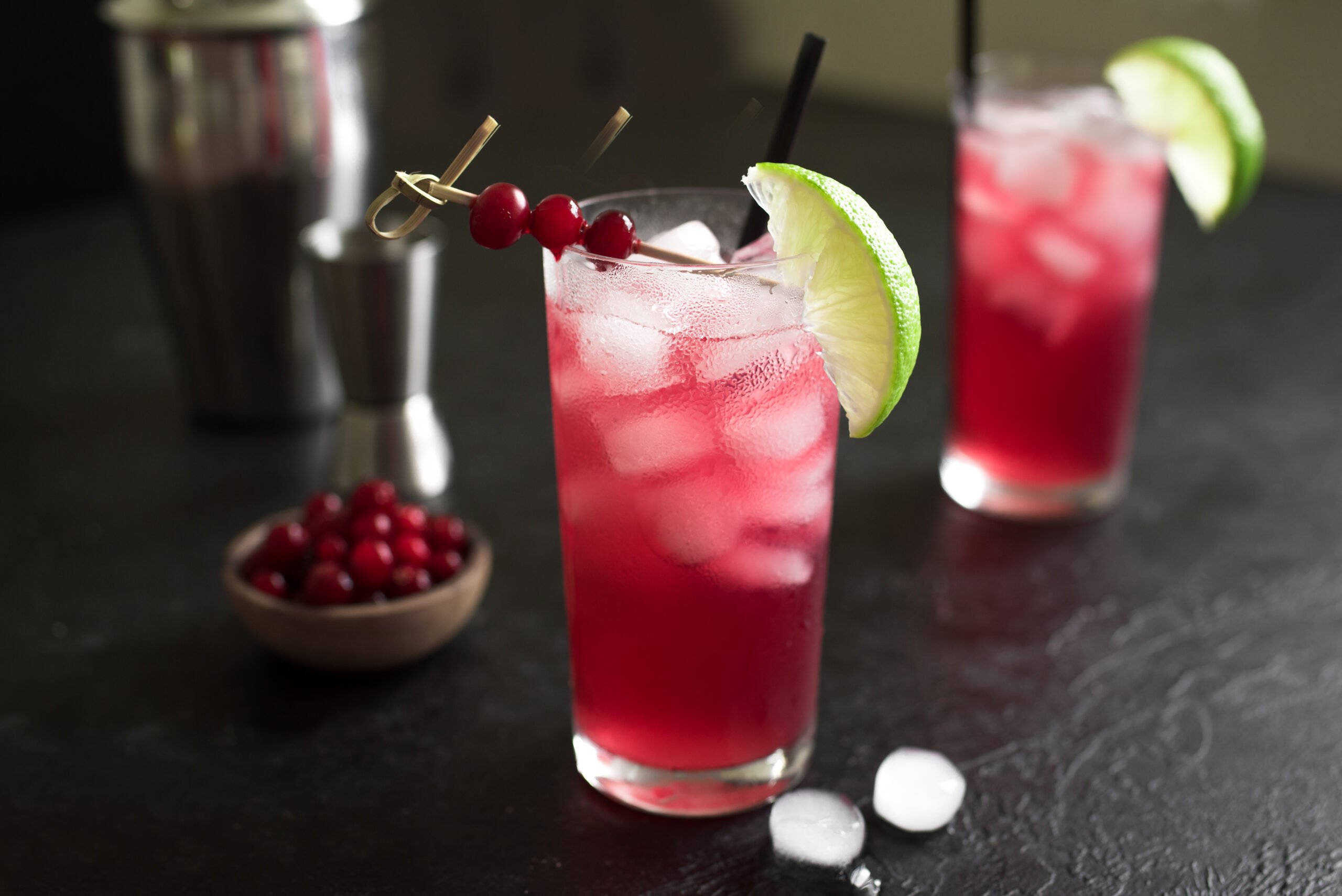
A simple cocktail called a Cape Codder is made with vodka and cranberry juice in a glass with a lime wedge. It’s easy to prepare – no need to shake or strain it. Similar cocktails include the Sea Breeze with grapefruit juice, Bay Breeze with pineapple juice, Madras with orange juice, Woo Woo with peach schnapps, and Sex on the Beach with orange juice and peach schnapps. Technically, a Cape Codder is just a vodka cranberry with lime. Adding lime makes it a Cape Codder. Locally, it’s sometimes called a Cape Cahdda!
Cassis (Blackcurrant Liqueur)
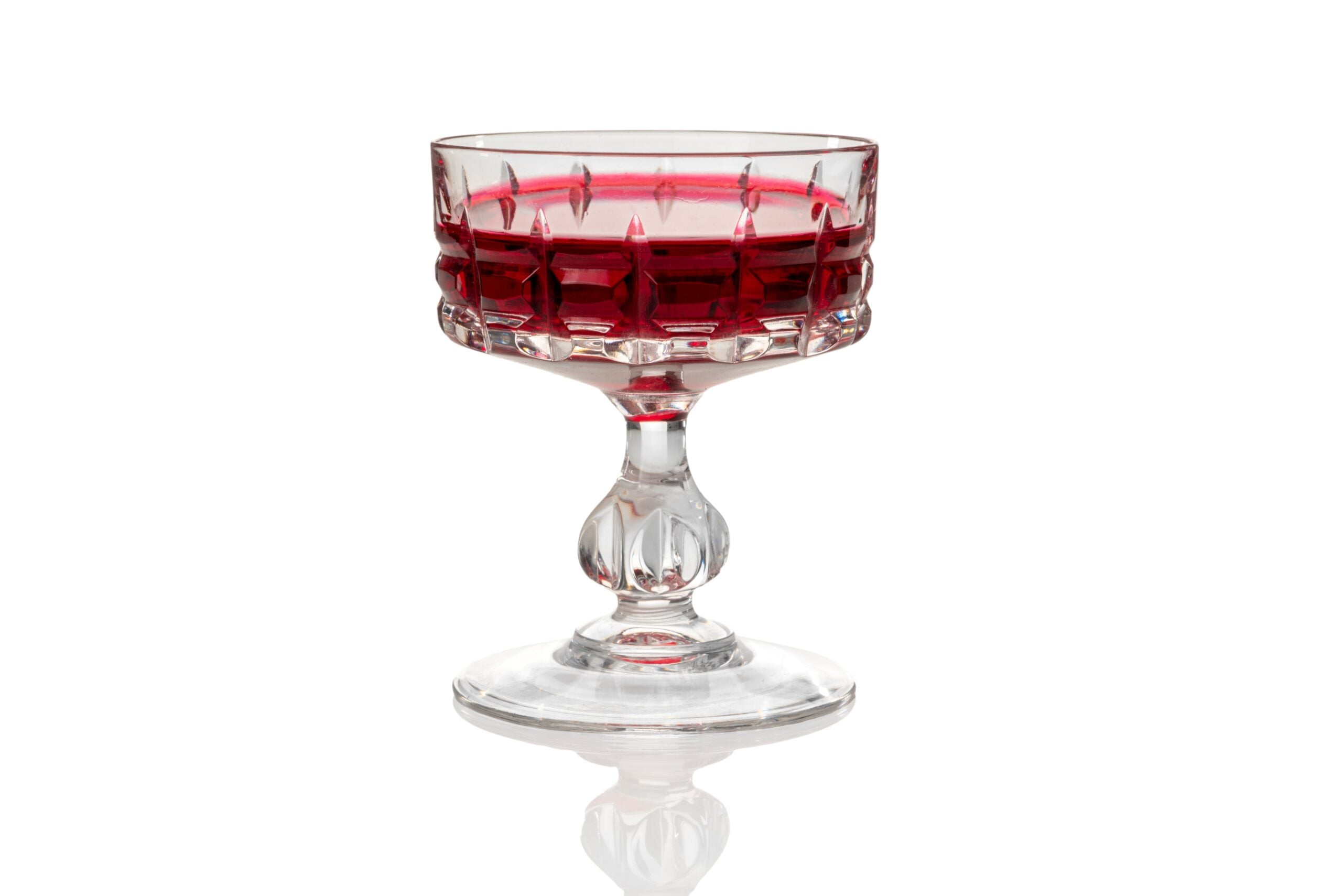
Originating in Burgundy over 150 years ago, Crème de Cassis is crafted from macerated black currants, offering a rich, dark-berry taste with hints of tannins and tartness akin to blackberries. Known for its sweetness, this liqueur is commonly used in cocktails for its sweet, tart blackberry essence. Enjoy Crème de Cassis mixed with white wine, sparkling white, or champagne as an aperitif, or savor it neat as a post-dinner indulgence. Be mindful not to overindulge, as its sweetness can be pretty potent, and alcohol/sugar rushes are never much fun.
Champagne

Champagne is a bubbly wine specifically made in the Champagne region of France. If it is made anywhere else, it is not supposed to be labeled as champagne but as sparkling wine. It follows specific rules for growing grapes, pressing them, and fermenting the wine twice to make it fizzy. The main grapes used are Pinot Noir, Pinot Meunier, and Chardonnay, along with small amounts of other types. In the past, Champagne was linked with royalty, and companies tried to make it seem fancy to attract more customers. The taste of Champagne varies based on the grapes and aging, but common flavors include peach, cherry, citrus, almond, cream, and toast.
Clover Club Cocktail

A Clover Club cocktail is made by shaking together gin, lemon juice, raspberry syrup, and egg whites. The egg white helps blend the ingredients, creating a foamy top for this raspberry-flavored drink. Originating before Prohibition, this cocktail is named after a men’s club in Philadelphia. The club was formed in 1882 and used to meet at the Bellevue-Stratford Hotel. The Clover Club cocktail combines sweet, creamy flavors in a refreshing mix.
Cognac
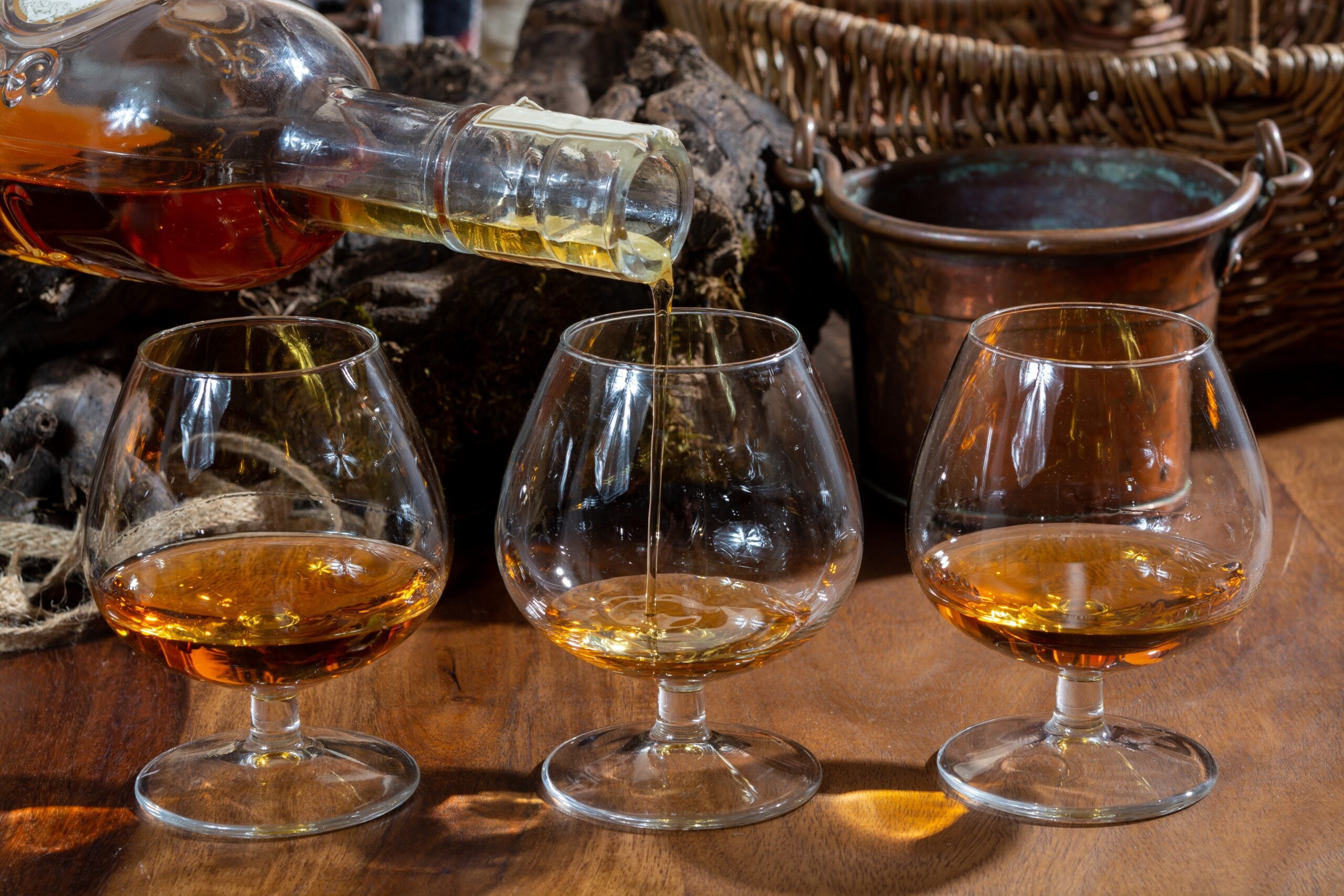
Cognac, a type of brandy from Cognac, France, is made in the Charente and Charente-Maritime regions. It offers a mix of flavors like nuts, fruits, caramel, honey, and spices. Cognac comes in dry, sweet, spicy, fruity, or bitter varieties, depending on the type. It can replace ingredients in cocktails like the Manhattan or Mojito. Dry cocktails like the Sidecar or Sazerac are good after dinner. An Old Fashioned with XO is rich and pairs well with dessert.
Cosmopolitan
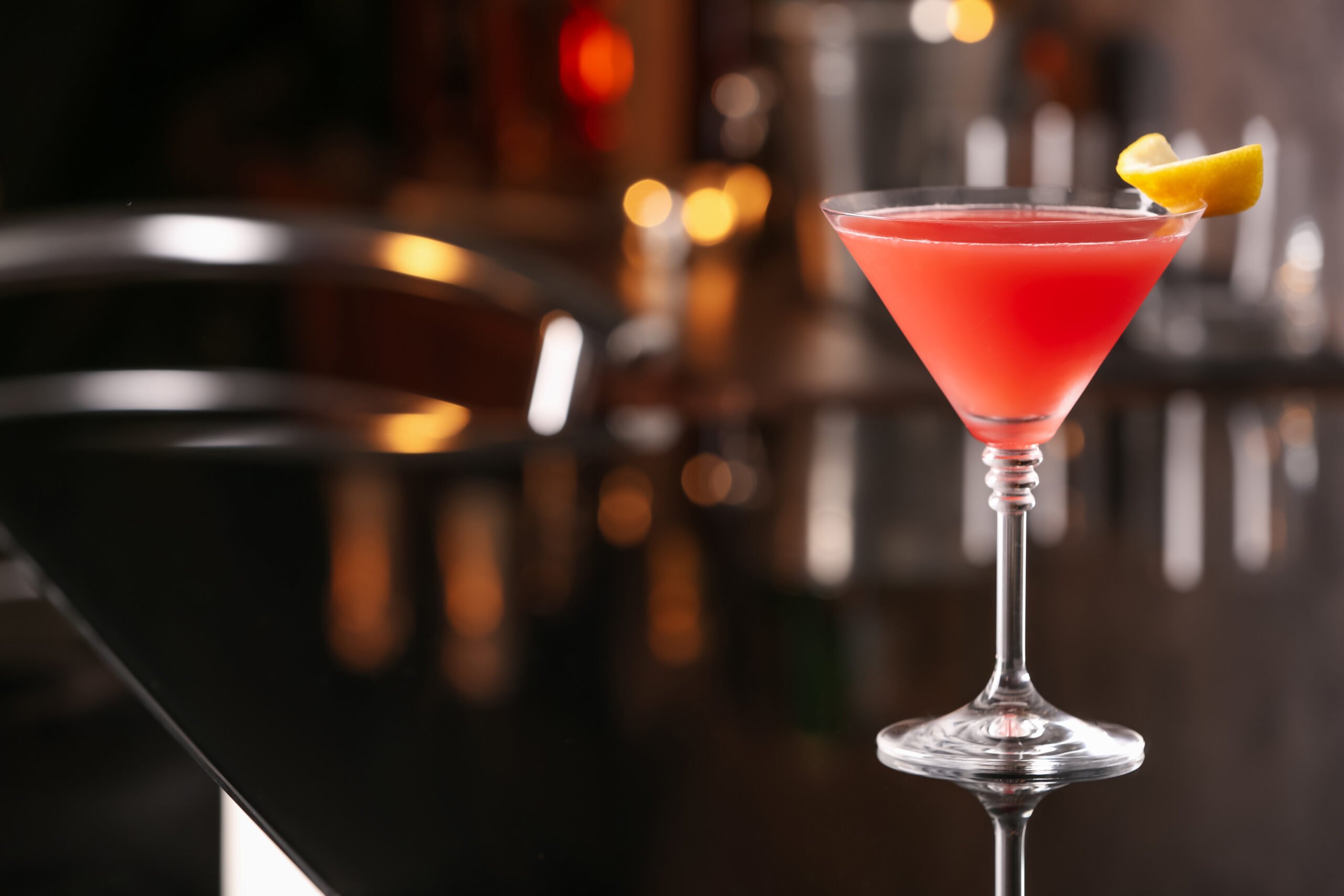
A cosmopolitan, also known as a cosmo, is a cocktail mixed with vodka, Cointreau, cranberry juice, and lime juice. It belongs to the Gimlet cocktail family. Some consider the Cosmo a “girly” drink associated with sophistication, but a well-made one isn’t overly sweet or fruity. Its strength can vary, and there are actually two cosmopolitan recipes: the main recipe is 27% ABV (54 proof), while the sweeter version is 20% ABV (40 proof).
Cuba Libre

A twist on a rum and coke, the Cuba Libre is a simple mixed drink made with cola, rum, and lime juice over ice. Although they are quite similar, the key difference is the addition of fresh lime juice in the Cuba Libre. The tangy flavor of the lime complements seafood, grilled meats, and spicy dishes, though this highball cocktail offers a refreshing and citrusy taste that pairs well with a variety of foods. Whether you prefer the classic Rum and Coke or the slightly upgraded Cuba Libre, this drink is a versatile choice suitable for different occasions and palates.
Non-Alcoholic Drinks:
Café au Lait

Café au lait is coffee mixed with hot milk, unlike white coffee, which has cold milk or other additives. But is it the same as a latte? Not quite. A latte boasts a milkier profile with two distinct, thicker layers of steamed and foamed milk, while a café au lait typically features regular brewed coffee from a French Press or drip. A latte also always contains an espresso base. Although a café au lait’s flavor closely resembles regular coffee with milk, heating milk with a frother increases its sweetness by making the sugars more soluble.
Caffè Americano

Caffè americano, also referred to as americano, is a coffee drink made by mixing one shot of espresso with hot water at a ratio of 1:3 to 1:4. This results in a lighter coffee that still holds the complex flavors of espresso. The origins of the Americano trace back to World War II when American soldiers in Italy were not fond of the strong espresso commonly served. To replicate their usual drip coffee, they diluted the espresso with water. This created the americano as a milder alternative to the robust espresso, and it is preferred by many to this day, much to the dismay of the Italians.
Caffè Mochas

A mocha, also known as a mochaccino, is a warm chocolate-flavored drink, similar to a caffè latte but with added chocolate and often served in a glass. What does a mocha taste like? While it does taste like chocolatey coffee, a mocha offers more than just that. The espresso shot provides a slightly bitter taste, but when combined with chocolate, it creates a sweet and smooth drink. It was my introduction to coffee as a teenager, and I still drink it now and then as a comfort beverage.
Calamansi Juice
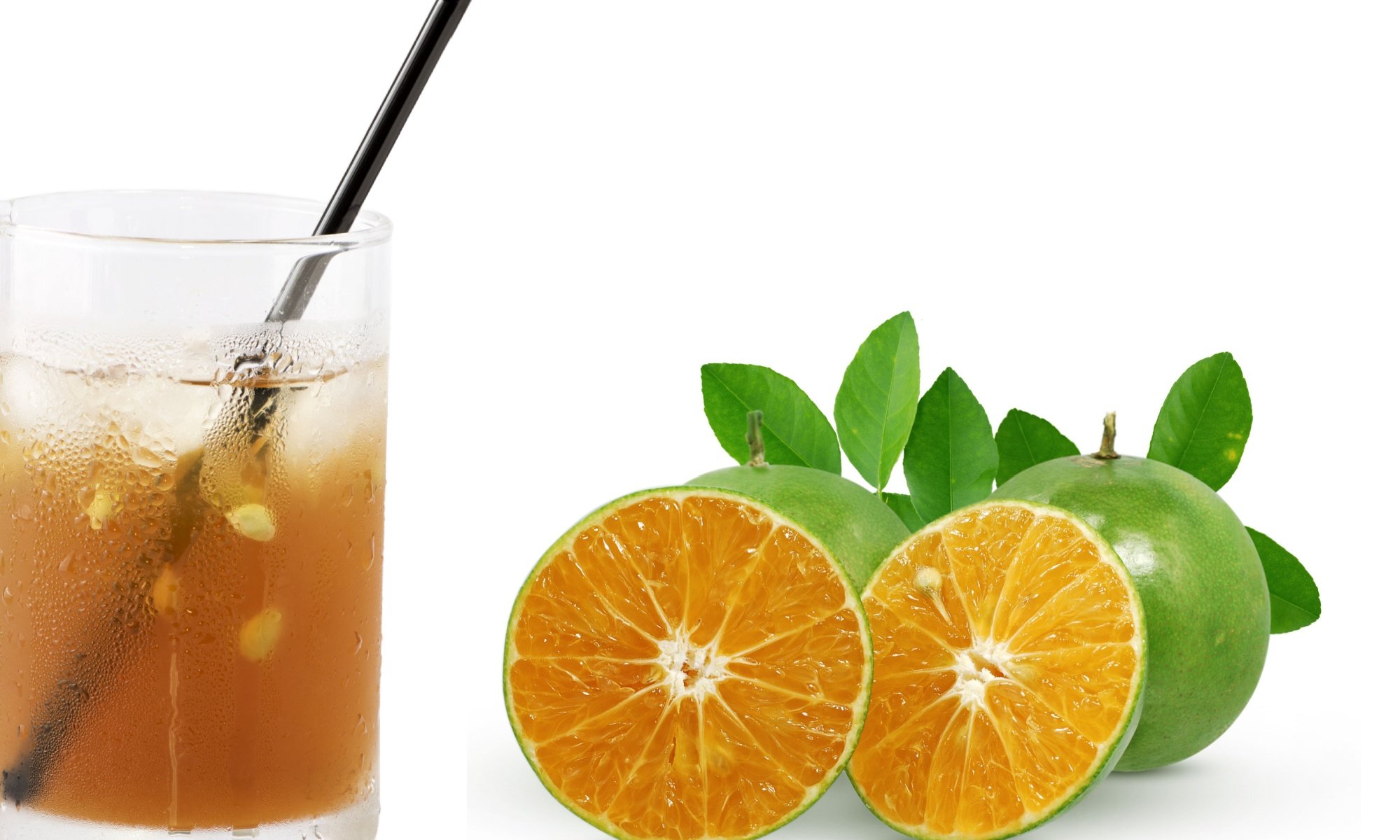
Calamansi Juice is like a mix of lemonade and limeade from the Philippines. It’s really refreshing and tastes best when it’s nice and cold. This juice is made by squeezing fresh calamansi fruit adding sugar and cold water. The fruit, also known as Filipino lime or limao kasturi, is popular in Asian cooking and is used in marinades, grilled dishes, chicken, and desserts. It’s similar to a mandarin orange but more sour than sweet. Calamansi has a sweet citrus scent, kind of like oranges with a touch of lime.
Cappuccino

A cappuccino is a coffee made with espresso, steamed milk, and milk foam. It can include cream or non-dairy milk and flavors like cocoa or cinnamon. It differs from a latte, which has more steamed milk and less foam, with the espresso and milk mixed together. Cappuccinos have equal parts espresso, steamed milk, and foam. Both drinks are popular among coffee lovers for their distinct tastes and textures, with the cappuccino being the preferred morning coffee drink in Italy and most of Europe.
Caramel Macchiato

The Starbucks Caramel Macchiato is like a vanilla latte but with caramel on top. The name comes from how the espresso is poured over the milk rather than having the milk poured over the espresso. A caramel macchiato tastes stronger because of this, even with the vanilla syrup, milk, and caramel. On the other hand, a latte is milder, with more milk and foam on top. So, if you prefer a stronger coffee flavor, go for the caramel macchiato, but if you like something milder, the vanilla latte is the one for you!
Chai Latte

Masala chai is one of the oldest tea drinks, which traditionally comes from India and is served as a tea. It’s brewed by mixing black tea with milk, water, and sugar. Additional herbs and spices form masala chai, but it’s often made plain. A classic chai latte blends strong black tea with spices like cinnamon, cardamom, ginger, and cloves, plus steamed milk. This mix offers a unique taste that’s both energizing and comforting. Despite being found in coffee shops and called a latte, it has no coffee, and some places uses a spiced chai powder to make it instead of the actual tea.
Chamomile Tea

Chamomile, an ancient herb from the Asteraceae family, comes in two types used for tea – German (Chamomilla recutita) and Roman (Chamaemelum nobile). Its daisy-like flowers are dried and steeped in water to make tea. Chamomile is earthy with mild apple notes and a subtle honey sweetness. It is known for aiding digestion and treating gastrointestinal issues like flatulence, indigestion, diarrhea, and nausea. It has also been used for colic, croup, and fevers in children. Chamomile’s calming properties have made it a popular choice for centuries for its soothing effects on the stomach and overall well-being, and it’s great as a bedtime drink for a solid night’s sleep.
Cherry Cola
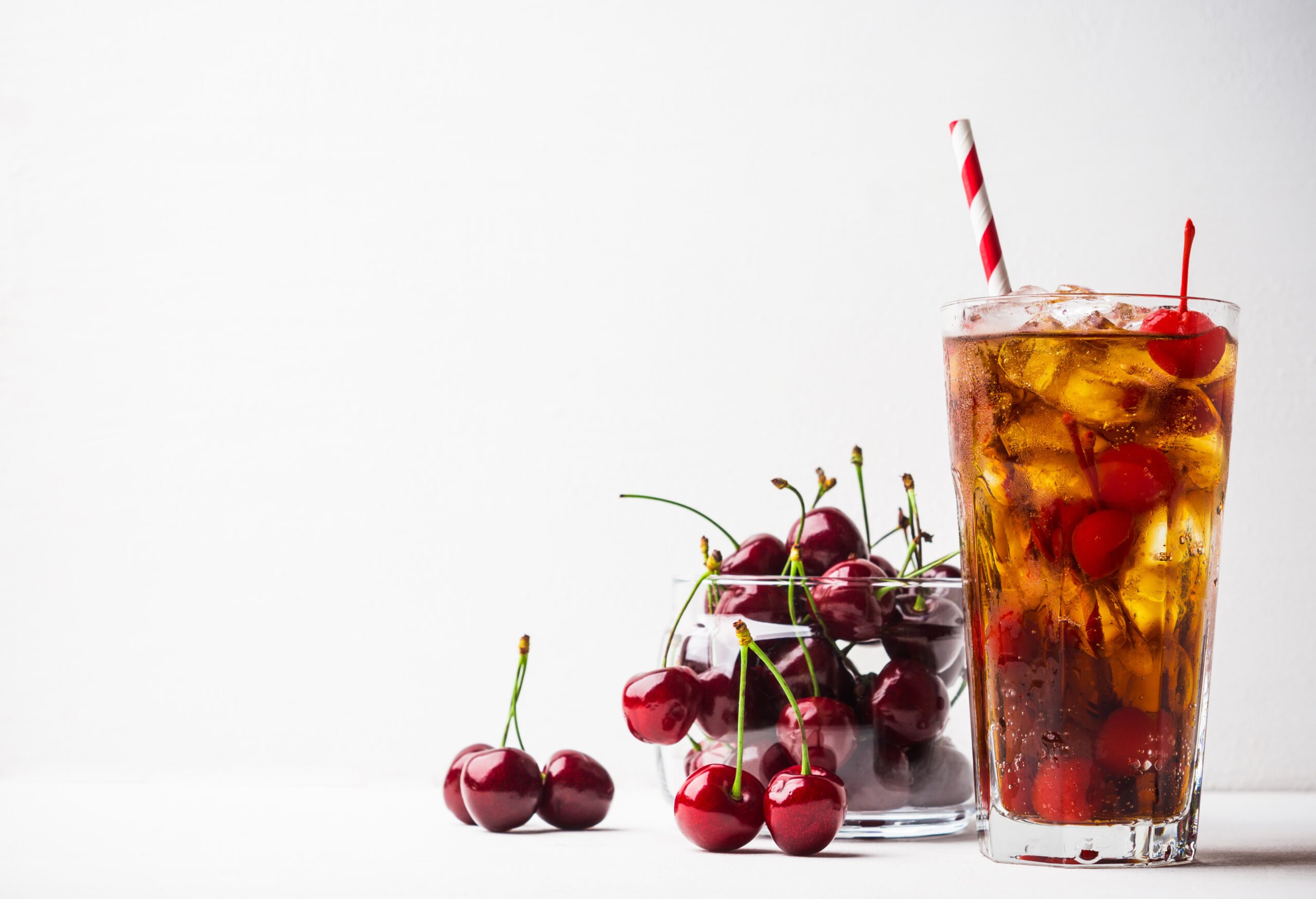
Cherry cola is a soda made by mixing cherry syrup with cola, originating from the United States. The Coca-Cola Company tested its official Cherry Coke at the 1982 World’s Fair in Knoxville, Tennessee, alongside other flavors. After more trials in different areas, Cherry Coke was officially produced in the U.S. in the summer of 1985. The flavors of Cherry Coke include Cola, Kola nut, citrus, cinnamon, cherry, and vanilla. It isn’t so popular outside the USA, which is a shame, as it makes drinking cola a lot more fun!
Chocolate Milkshake
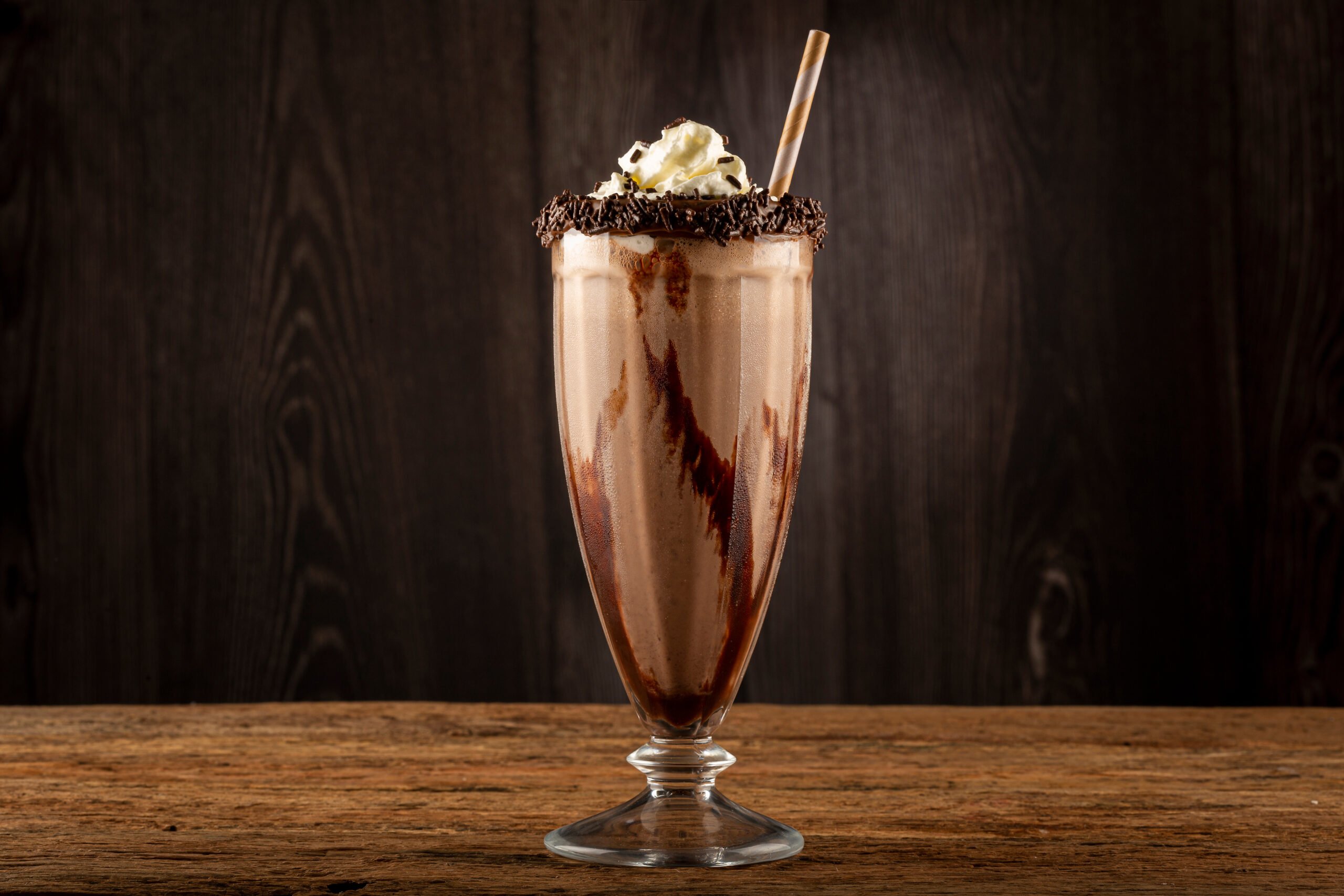
A milkshake is a cold, sweet drink made with ice cream, milk, and flavored syrups like chocolate or strawberry. Originally created by Walgreens employee Ivar “Pop” Coulson, milkshakes became popular for their creamy, delicious taste. To make a malted chocolate shake, milk, chocolate syrup, and malt powder were blended together and served in a glass with a straw. Unlike milk smoothies, milkshakes contain ice cream. They’re typically topped with whipped cream and served in a tall glass. Simple and satisfying, a chocolate milkshake is unlikely to fall out of fashion anytime soon.
Cider (non-alcoholic variety)

Apple cider is typically non-alcoholic at first but can turn into hard cider if it ferments over time. To keep it non-alcoholic, it’s best to drink it within two weeks. Non-alcoholic cider is a healthier choice, with fewer calories, suitable for calorie-conscious folks. It’s often gluten-free and vegan, catering to various diets. The taste of non-alcoholic cider is similar to traditional cider, offering options like sweet or citrus flavors.
Coconut Water

Coconut water is the transparent liquid found inside young coconuts. Initially, it acts as a medium for the coconut’s endosperm during early growth. As the coconut progresses, the endosperm transforms, settling into the coconut’s shell. Some coconut waters boast a slightly nutty or sweet flavor, while others may carry hints of vanilla or other tastes. These flavors can vary based on the processing and packaging methods. Recent studies suggest that coconut water could aid in hydration, managing diabetes, promoting heart health, and more!
Cola

Cola is a fizzy soda with vanilla, cinnamon, and citrus flavors. It gained global popularity when pharmacist John Stith Pemberton created Coca-Cola in 1886. This trademarked drink inspired many imitations. Modern colas include citrus oils from orange, lime, and lemon peels, along with cinnamon, vanilla, and an acidic flavor. Manufacturers add unique flavorings to make each brand distinct. Coca-Cola originally used fresh coca leaves until 1904, when they switched to “spent” leaves from the cocaine-extraction process. Despite trace levels of cocaine, by 1929, Coca-Cola transitioned to a cocaine-free coca leaf extract, ensuring a safe beverage for all.
Cranberry Juice
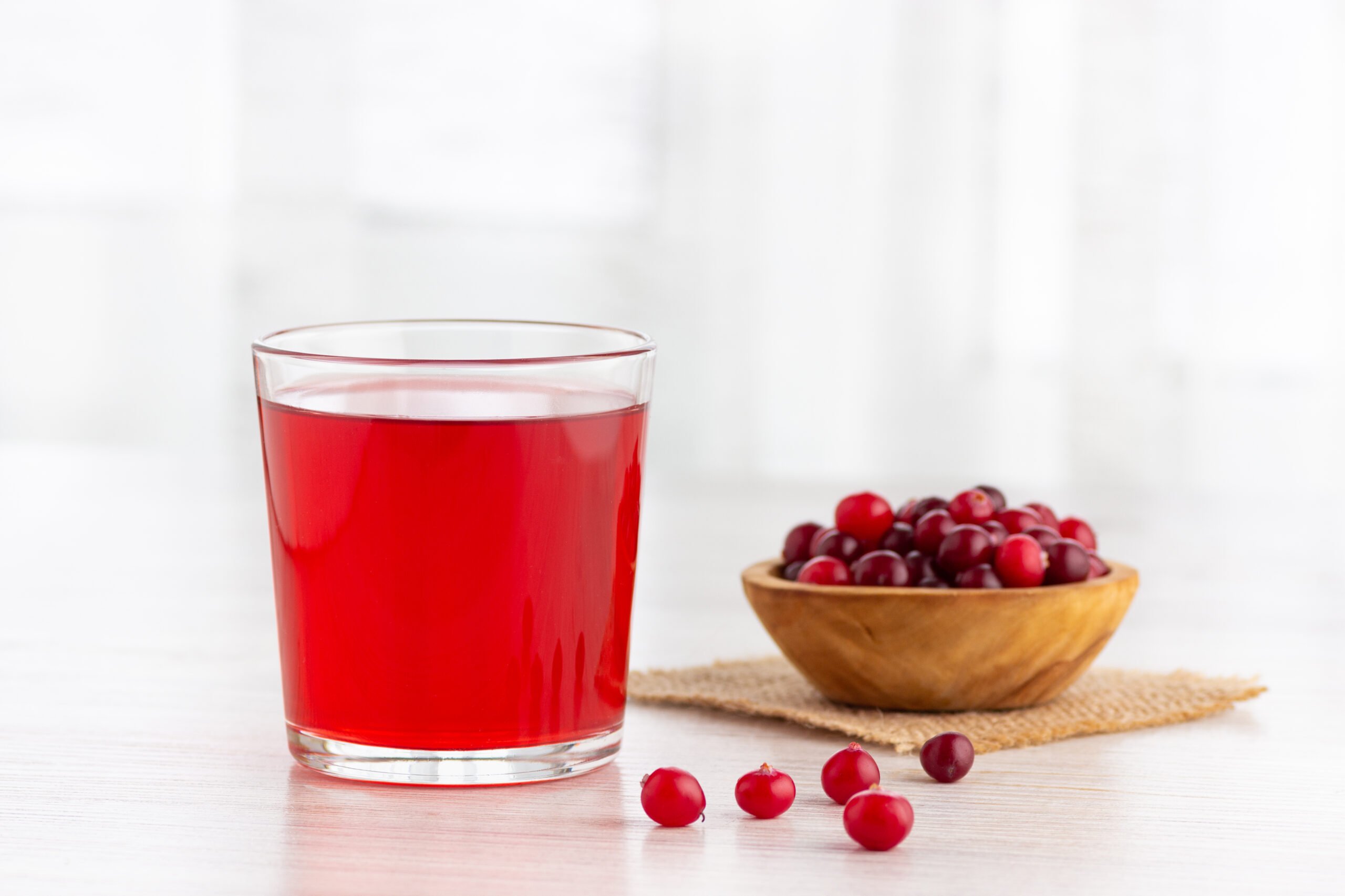
Cranberry juice is made from cranberries, known for their red color and tangy taste. It can be used to make sauce, cocktails, or jam due to its sweet and sour flavor. If you prefer no added sugar, you can find unsweetened 100% cranberry juice, though it can be quite tart. This type of juice is best for recipes, mixing with tonic water or club soda, or adding to smoothies. It’s a refreshing drink that can give you a boost of energy. Just be aware that pure cranberry juice can be challenging to drink straight because of its tartness, and that kind is best used medicinally for things like urinary tract infections.
Cream Soda

Cream soda is a sugary soft drink flavored with vanilla, resembling the taste of an ice cream soda, though it comes in various versions worldwide. The taste can differ by country, but I haven’t yet found one that doesn’t taste like vanilla. Over time, cream soda has changed and is now a popular mixer for drinks, especially whisky cocktails. It pairs well with the vanilla and citrus hints in certain whiskeys. Or, pour it over a dollop of ice cream and make your own super cream float.
Cucumber Water

Cucumber water is a refreshing and hydrating beverage that is said to offer health benefits like weight loss, blood pressure reduction, bone health support, and skin improvement. It is an alternative to other infused waters, like lemon water, which is rich in vitamin C and antioxidants, providing its own set of advantages. Choosing between the two drinks might come down to personal taste and health goals. To make cucumber water, place thinly sliced English cucumber in a pitcher and add either still water or sparkling water. Let it sit in the fridge for a few hours to infuse before enjoying it.




Leave a Comment