

V is for Vodka and Vermouth, both of which are vibrant in a vesper martini! Though too many of these might leave you vexed and in need of some vitality. Check out this list of 25 drinks beginning with the letter V to find one that will give your next party that va-va-voom!
Drinks That Start With V – Alphabetized
Your handy alphabetized list for quick reference:
Alcoholic Drinks
- Vanilla Bourbon
- Vaquero Cocktail
- Velvet Cream Liquor
- Velvet Hammer
- Venetian Spritzer
- Vermouth
- Vesper Martini
- Vesuvio
- Victoria Bitter
- Viking Blood
- Vin Santo
- Viognier
- Vodka
- Vodka Tonic
Non-Alcoholic Drinks
- Valencia Orange Juice
- Vanilla Bean Frappuccino (a Starbucks drink)
- Vanilla Cola
- Vanilla Milkshake
- Vegetable Broth
- Vegetable Juice
- Viennese Coffee
- Vietnamese Iced Coffee
- Virgin Mary
- Vitamin Water
- V8 Juice
Drinks That Start With V – Listed with Pictures and Facts
Alcoholic Drinks
Vanilla Whiskey
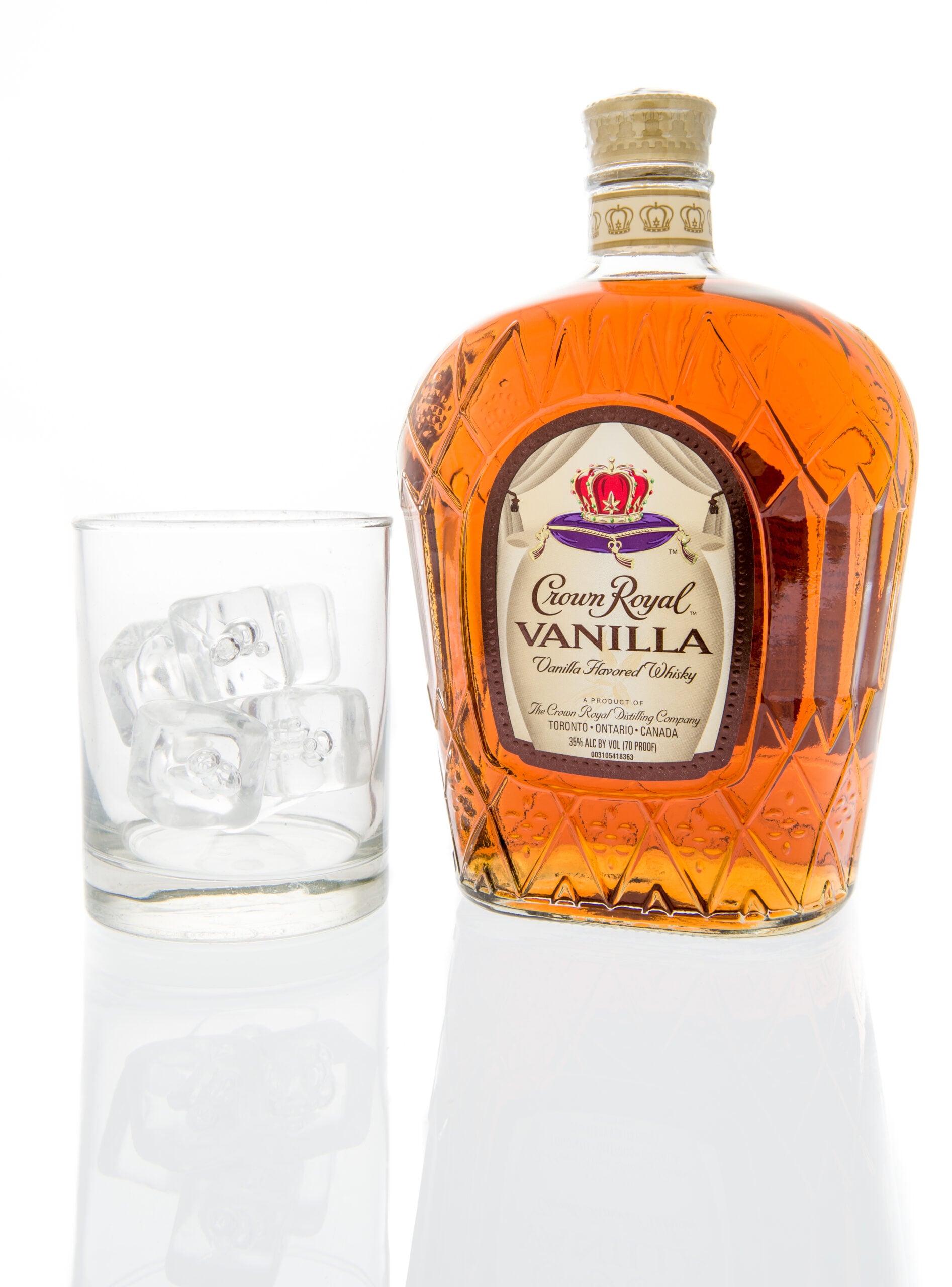
Vanilla is one of the world’s favorite flavors, and it turns out it pairs perfectly with whiskey too, adding a sweet, rich taste that’s similar to vanilla ice cream or pudding. Vanilla whiskeys are widely available and are a great way to satisfy your cravings for something smooth and flavorful. One standout option is Jim Beam Vanilla bourbon whiskey, which combines the warmth of bourbon with just the right amount of vanilla. It’s affordable, easy to drink, and with 35% alcohol content, it’s not too strong, making it a great choice for sipping all night.
Vaquero Cocktail

The Vaquero cocktail is a vibrant mix of flavors that brings together bourbon, Aperol, fresh lemon juice, Ancho Reyes, and sage for a one-of-a-kind taste experience. Think of it as a cross between a Boulevardier and an herbal Mai Tai—or, as some describe it, a tropical holiday in a glass. To craft this drink, muddle two chunks of pineapple with a sage leaf in a shaker. Add 1 1/2 ounces of bourbon, 3/4 ounce of lemon juice, 3/4 ounce of Ancho Reyes, 1/2 ounce of Aperol, 1/4 ounce of demerara syrup, and two dashes of Angostura bitters. Shake thoroughly, then strain into a coupe glass. Garnish with a fresh sage leaf, and your holiday-inspired cocktail is ready to enjoy!
Velvet Cream Liqueur
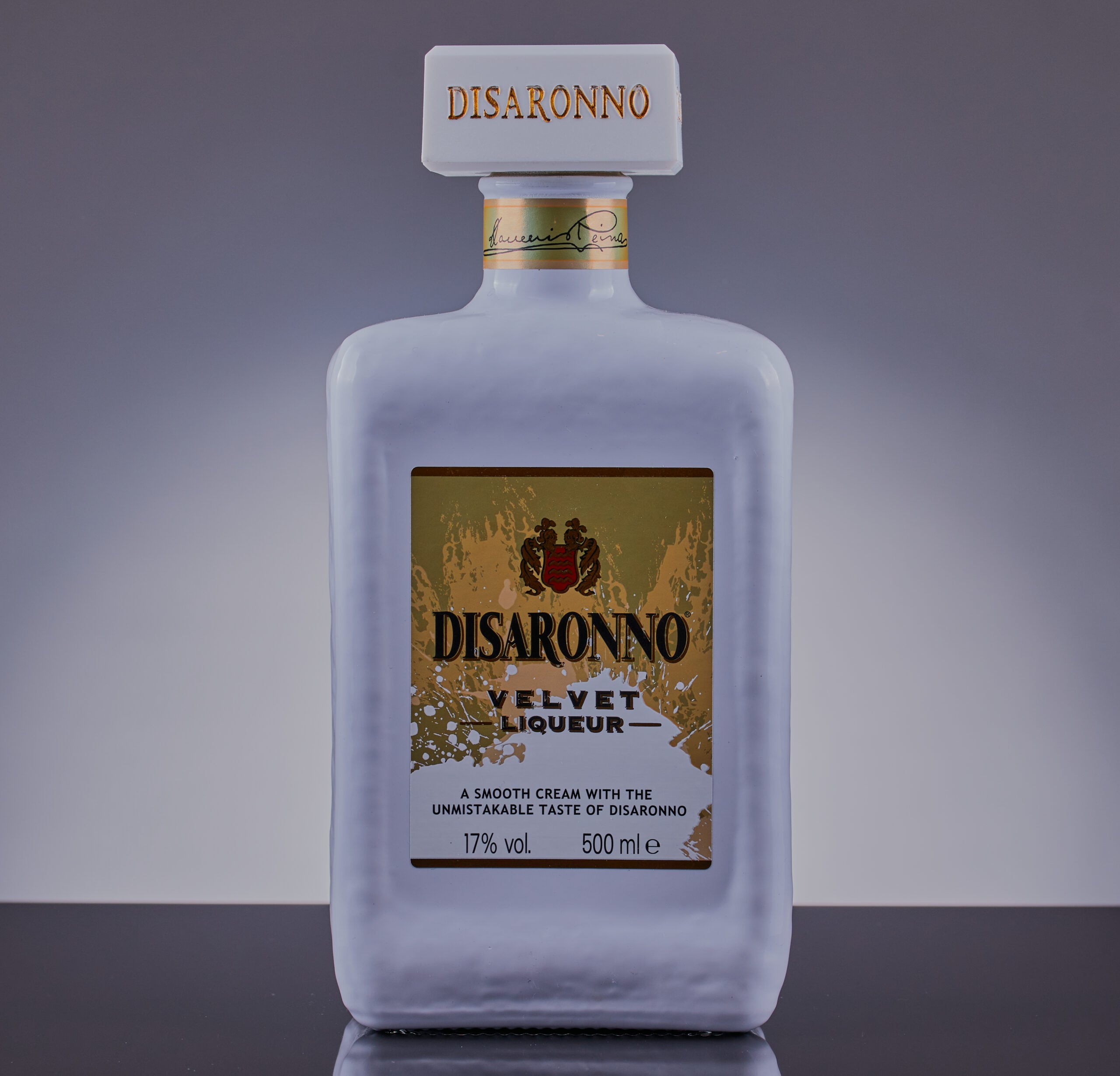
Disaronno Velvet Cream Liqueur is a smooth and creamy drink made with Italian brandy, vanilla, and a touch of cocoa, perfect for mixing into a variety of cocktails. Its rich texture pairs beautifully with coffee, balancing the bitterness of espresso with its sweet flavor. Try a Caffè Velvet by mixing 1 1/2 oz of Disaronno Velvet Cream Liqueur with 1/2 oz espresso and 1/2 oz heavy cream, topped with whipped cream and cocoa powder. Beyond coffee, this liqueur works with other mixers to create unique drinks. A Creamy Vanilla cocktail blends 1 1/2 oz of Disaronno Velvet Cream Liqueur with 1/2 oz vanilla vodka and 1/2 oz cream soda, topped with whipped cream and vanilla powder. Or go for a Spiced Apple by mixing 1 1/2 oz of the liqueur with 1/2 oz apple cider and 1/2 oz cinnamon syrup, garnished with whipped cream and a cinnamon stick.
Velvet Hammer
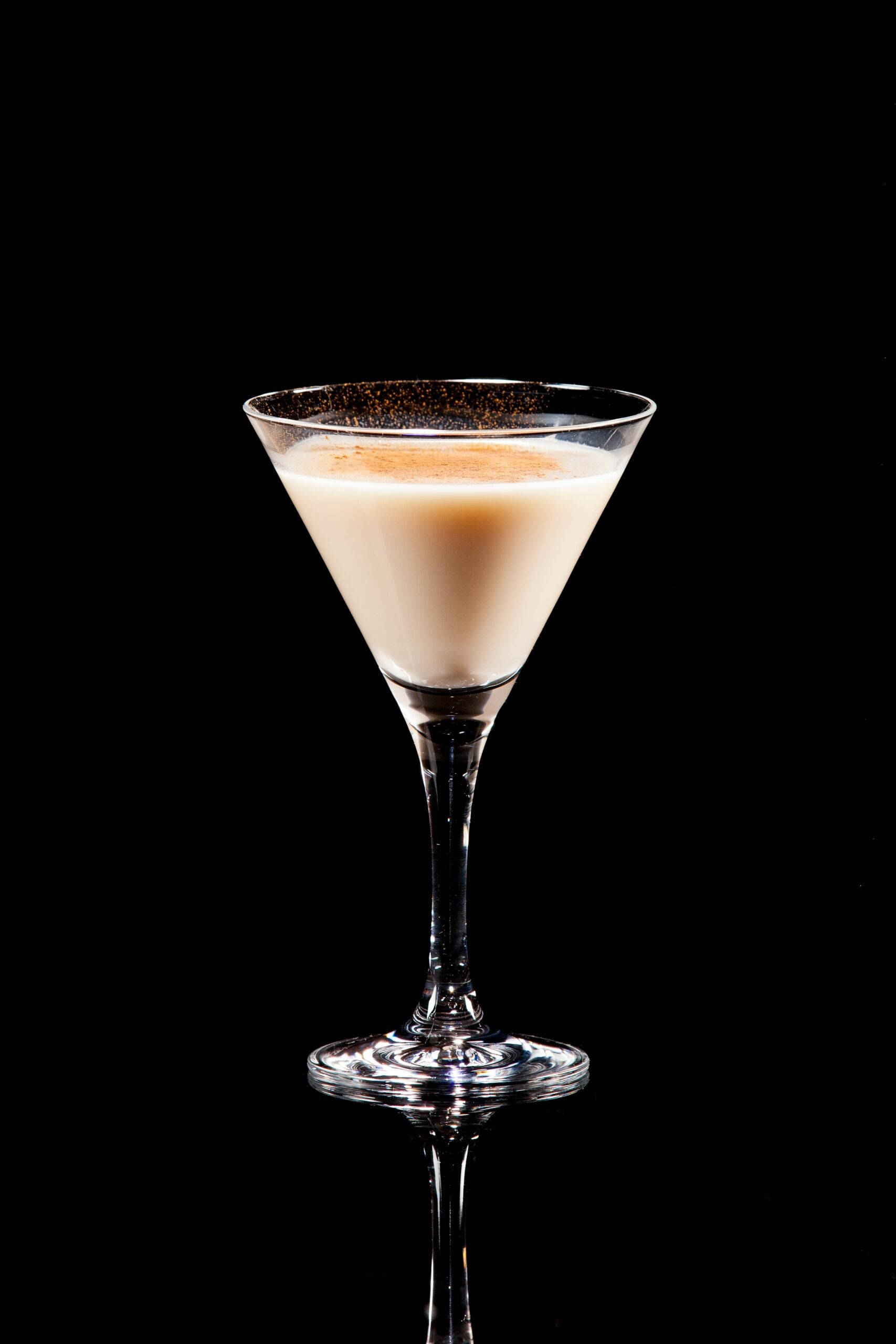
The Velvet Hammer is a classic cocktail that first appeared in the 1960s and became especially popular during the disco era. Known for its rich, creamy texture and sweet, dessert-like flavor, it’s a favorite choice for an after-dinner drink or a relaxing nightcap. This cocktail blends chocolate and orange flavors with a touch of coffee liqueur for added depth, creating a perfectly balanced taste that’s not overly strong but still packs a bit of a punch. Traditionally served in a martini glass, it can also be poured over ice in a highball glass for a slightly different experience. Though often mistaken for the Harvey Wallbanger, which also uses Galliano, the Velvet Hammer stands out with its unique combination of ingredients: 1 oz of Cointreau, 1 oz of Tia Maria, and 1 oz of cream, making it a smooth and satisfying choice for any sweet cocktail lover.
Venetian Spritzer
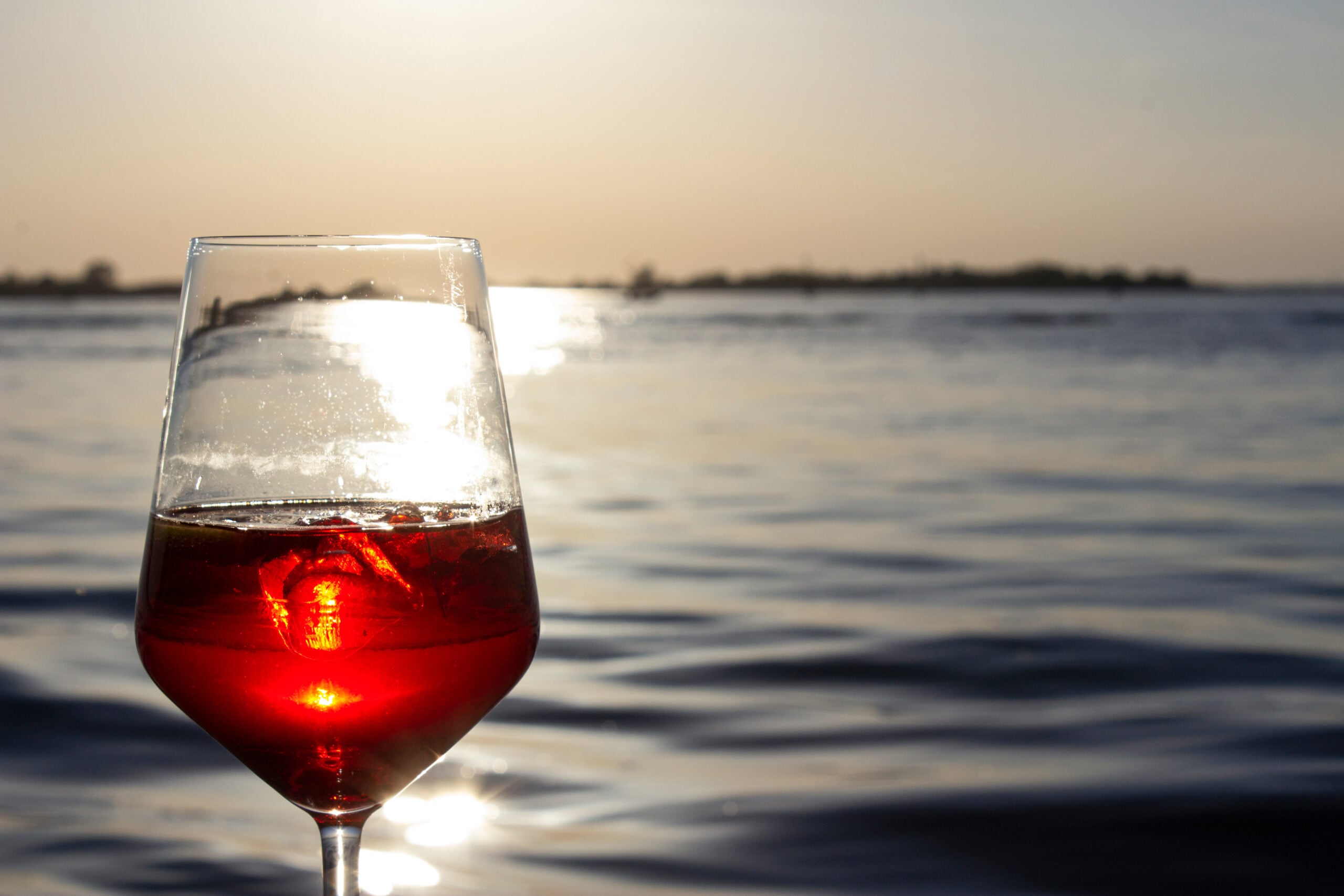
The Spritz dates back to the 1800s when Austrians, finding Italian wine too strong, began adding a splash of sparkling water to soften it. Over time, this evolved into the Venetian Spritz, which introduced bitter liqueurs like Select, Aperol, Campari, or Cynar. Today, it’s typically made with Prosecco, a bitter liqueur, and sparkling water, served in a large wine glass and garnished with an orange slice. While some recipes include a skewered olive, this is often frowned upon by Italians and bartenders. Originally, Select was the bitter of choice until the 1950s, but when Campari purchased Aperol in the early 2000s, they heavily promoted the Aperol Spritz as their signature cocktail, making it the popular choice we know today.
Vermouth
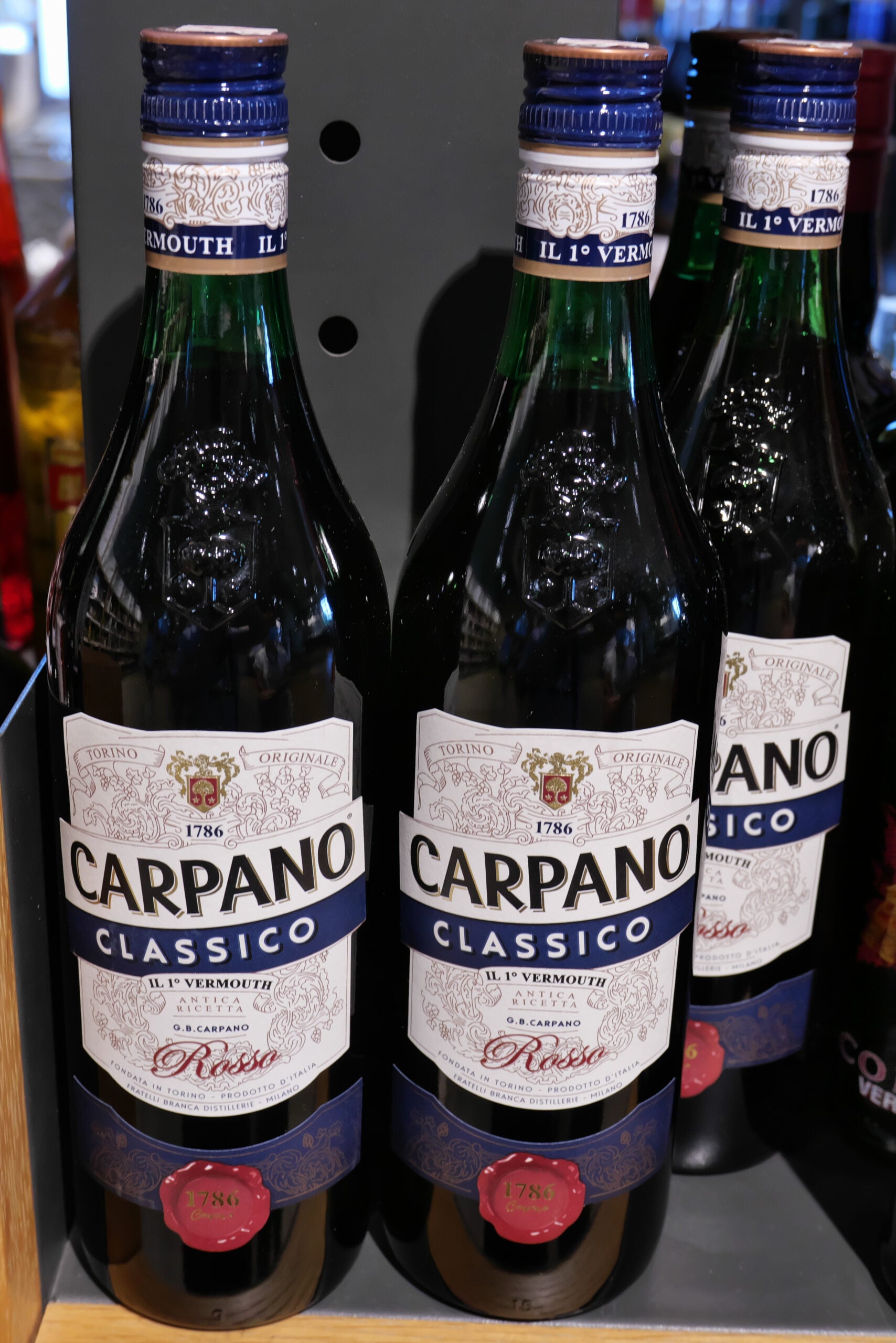
Vermouth is a type of fortified wine that’s flavored with a mix of botanicals like herbs, roots, flowers, seeds, and spices. It was first made in the mid-to-late 1700s in Turin, Italy. Originally used for medicinal purposes, vermouth later became a popular apéritif served in stylish Turin cafés at all hours. By the late 1800s, bartenders embraced vermouth as a key ingredient in classic cocktails like the martini, Manhattan, Rob Roy, and Negroni. Beyond drinks, it’s also used in cooking as a substitute for white wine. Traditionally, there were only two types of vermouth: sweet and dry. Over time, producers expanded their offerings to include extra-dry white, sweet white (also called blanc or bianco), red (rosso), amber, and rosé to meet growing demand.
Vesper Martini
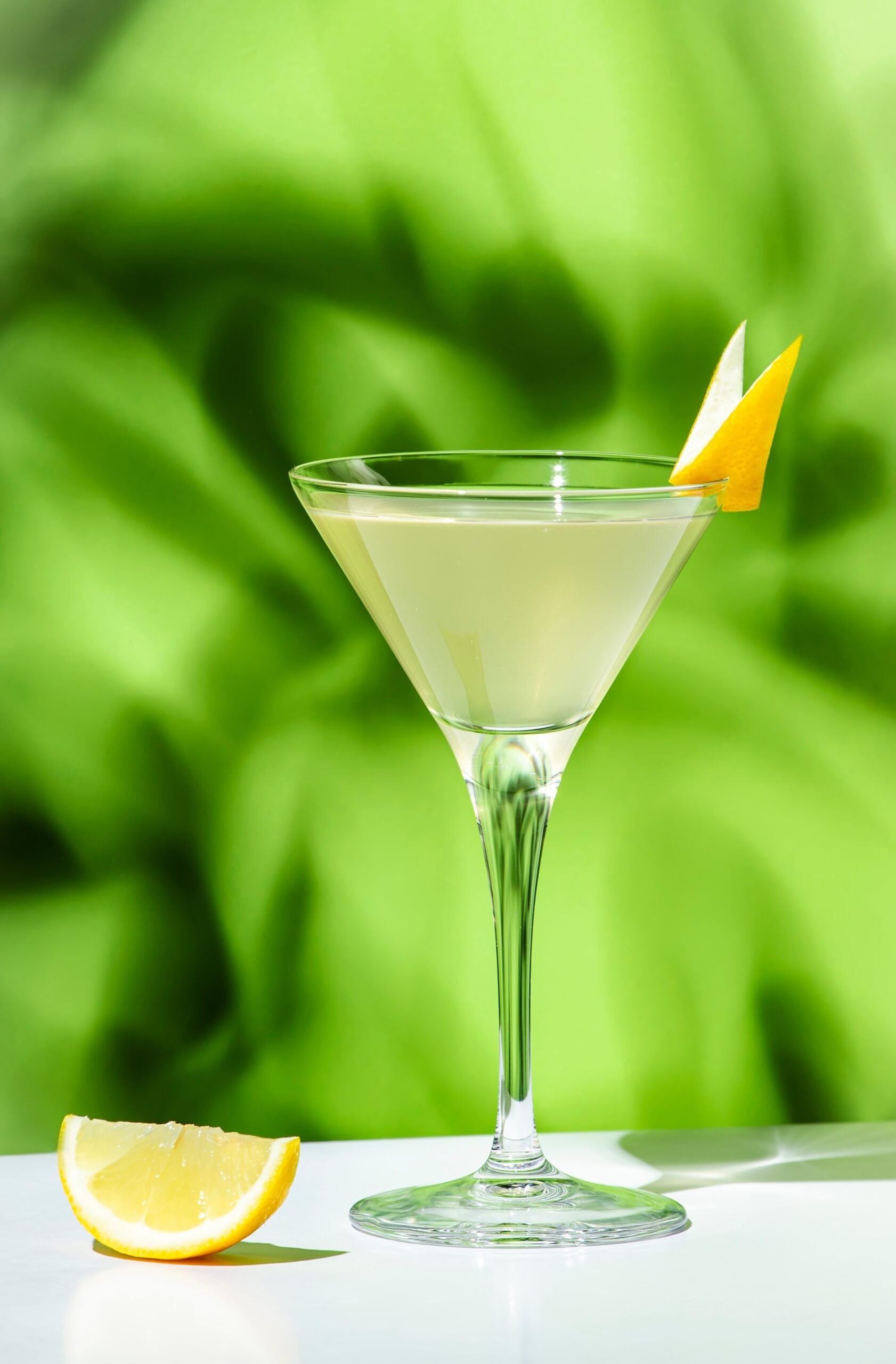
The Vesper is a classic cocktail traditionally made with gin, vodka, and Kina Lillet. Since Kina Lillet is no longer produced, modern bartenders often use alternatives like Lillet Blanc or Cocchi Americano to mimic its original flavor. This drink gained fame through Ian Fleming’s 1953 novel Casino Royale, where James Bond invents the recipe and gives the cocktail its name. Although Bond describes it as a “special martini,” it doesn’t include vermouth, a key ingredient in a classic martini. Even so, the Vesper is often referred to as a Vesper martini today.
Vesuvio
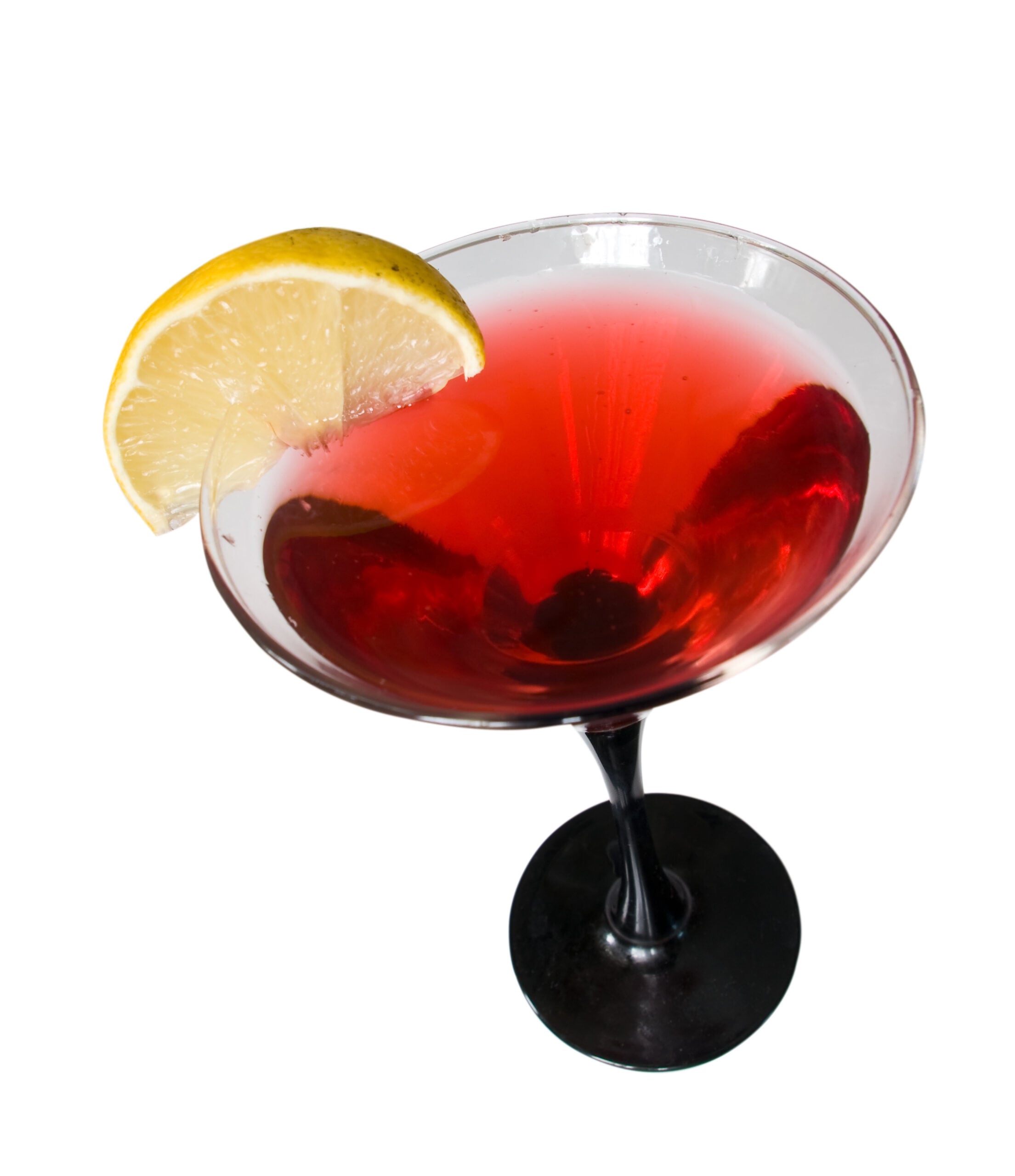
The Vesuvio is a classic Cuban cocktail from the early 20th century, known for its smooth and frothy texture. Originating at Havana’s famous Hotel Nacional, this drink is part of the Sour family and perfectly balances the sweetness of rum with the tartness of lemon and sweet vermouth. To make a Vesuvio, start with high-quality light rum, good sweet vermouth, and fresh lemon juice for the best flavor. Combine these with powdered sugar and an egg white, which is key to creating the signature foam. Here’s the recipe: 1 oz light rum, 0.5 oz sweet vermouth, juice from half a lemon, 1 tsp powdered sugar, and 1 egg white. Shake, strain, and enjoy!
Victoria Bitter
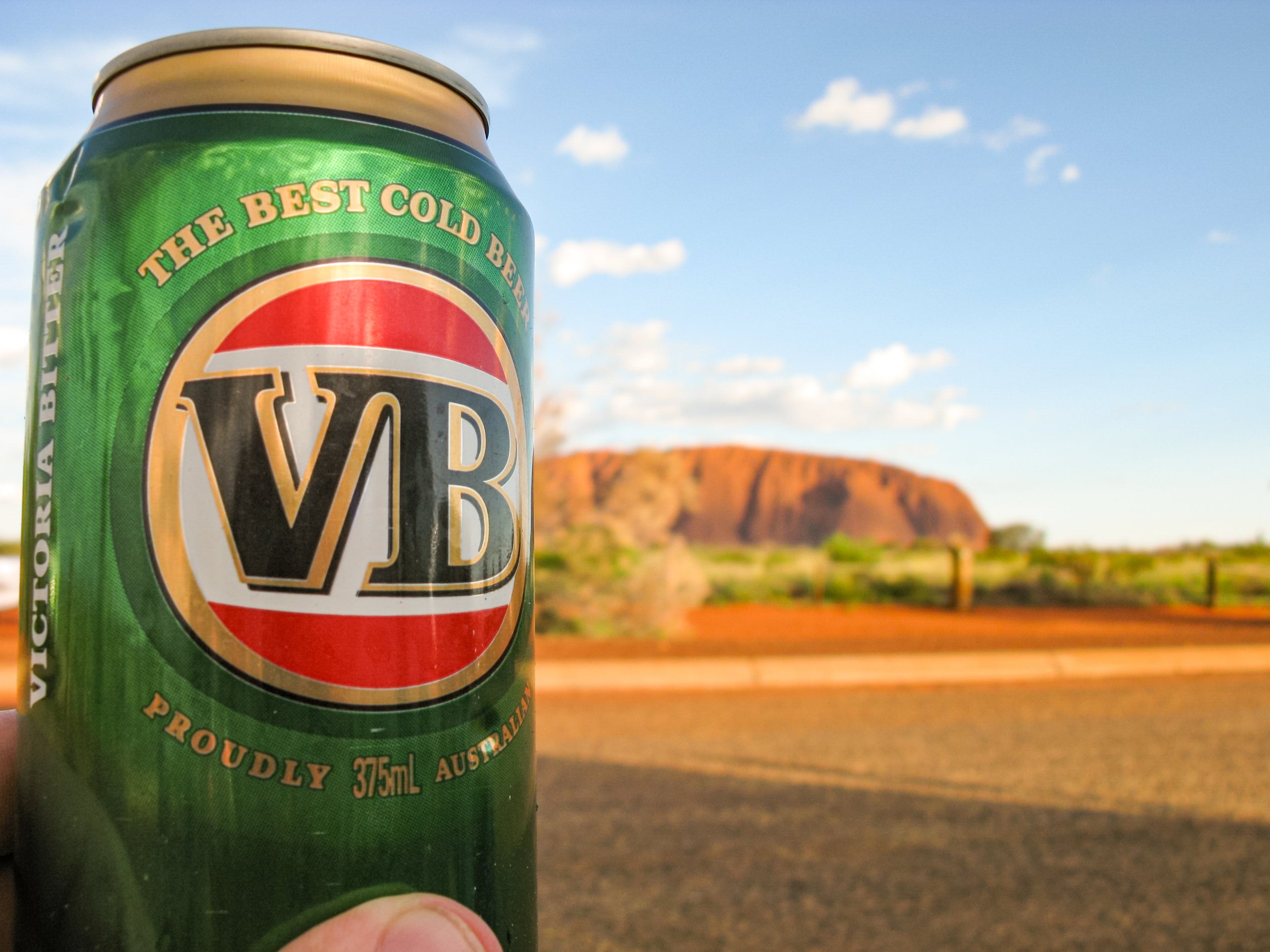
Victoria Bitter (VB) is a classic Aussie lager brewed by Carlton & United Breweries, part of Asahi, in Melbourne, Victoria. First crafted back in 1854 by Thomas Aitken at the Victoria Brewery, it’s one of Australia’s best-selling beers and a true icon of the nation. Made using a bit of cane sugar to lighten its body, VB has earned itself a reputation—and plenty of nicknames along the way, from “The Very Best” to “The Virus Beater.” Love it or hate it, there’s no in-between when it comes to VB. It’s everywhere, from pubs with it on tap to fridges stocked with cans and stubbies. Whether you see it as sacred as holy water or wouldn’t even use it to put out a fire, VB remains a staple of Australian beer culture.
Viking Blood
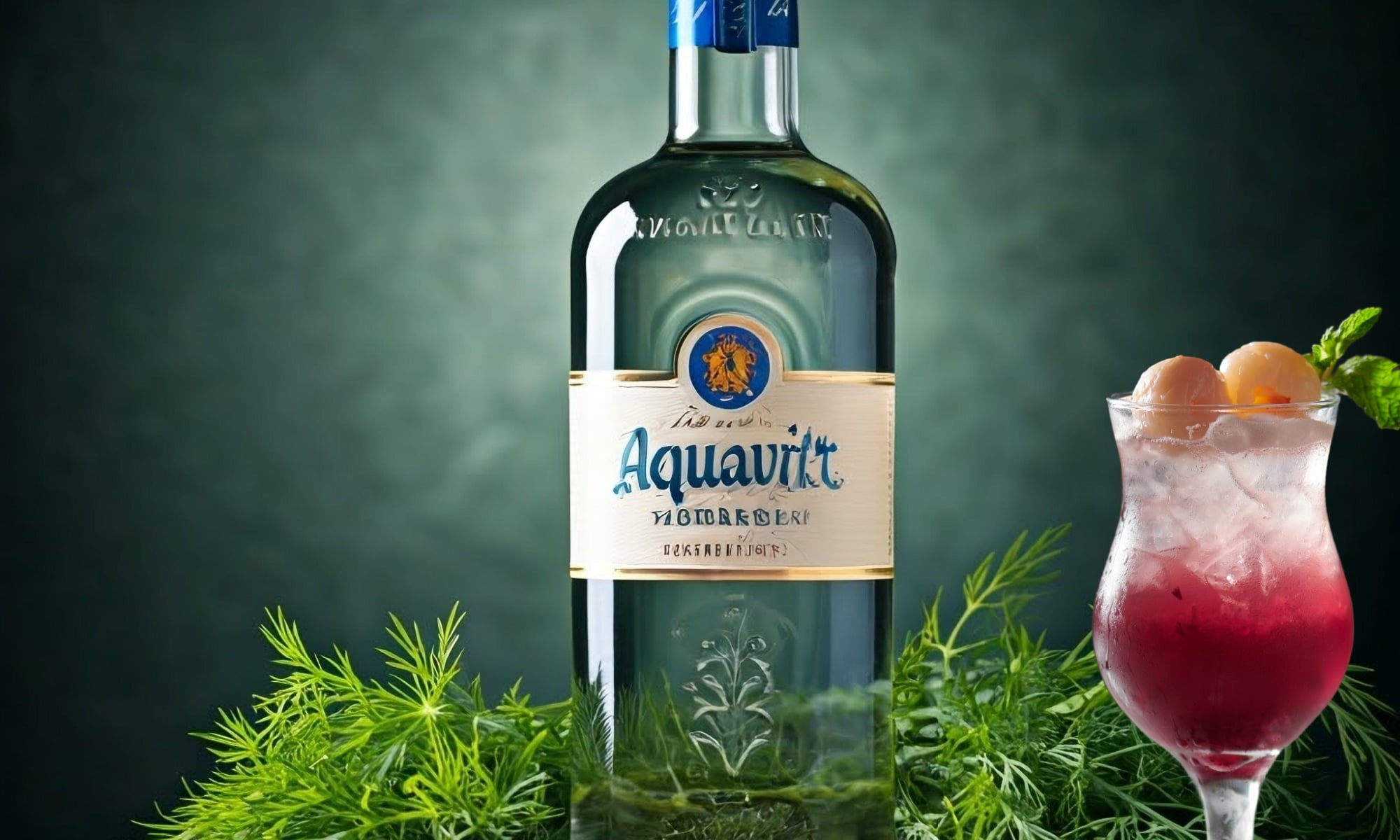
The Viking Blood cocktail is a drink inspired by the Vikings’ legendary love of strong beverages. Its name reflects the Vikings’ reputation for strength and bravery, though the drink contains no actual blood. Instead, it’s made with Aquavit, a traditional Scandinavian spirit, and coffee liqueur, which together create its rich red color. Known for its unique flavor, the cocktail blends the spicy, anise-like taste of Aquavit with the bittersweet notes of coffee liqueur. This eye-catching drink is especially popular in Scandinavia and Nordic countries but has also gained a following in the United States, particularly in areas with strong Scandinavian roots.
Vin Santo
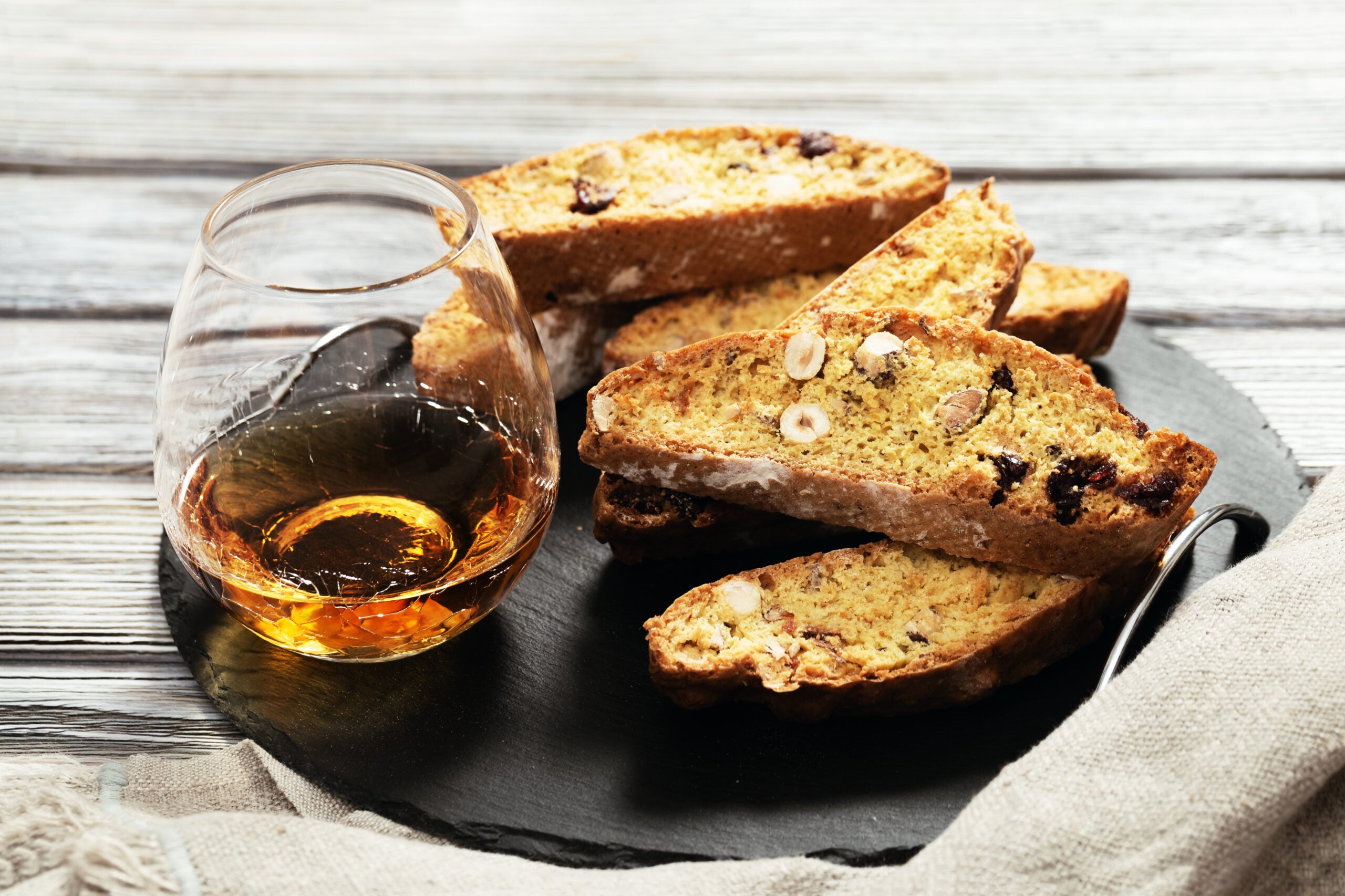
Vin Santo, which means “Holy Wine” in Italian, is a type of dessert wine traditionally made in Tuscany. Usually crafted from white grape varieties like Trebbiano and Malvasia, it can also be made with Sangiovese to create a rosé-style wine called “Occhio di Pernice” or “eye of the partridge.” These wines are often referred to as straw wines because the grapes are typically dried on straw mats or hung on racks in warm, ventilated spaces to concentrate their flavors. Although considered a dessert wine, Vin Santo can range from very dry, similar to Fino Sherry, to intensely sweet. The name “Holy Wine” likely comes from its historical use in Catholic Mass, where sweet wine was often preferred.
Viognier
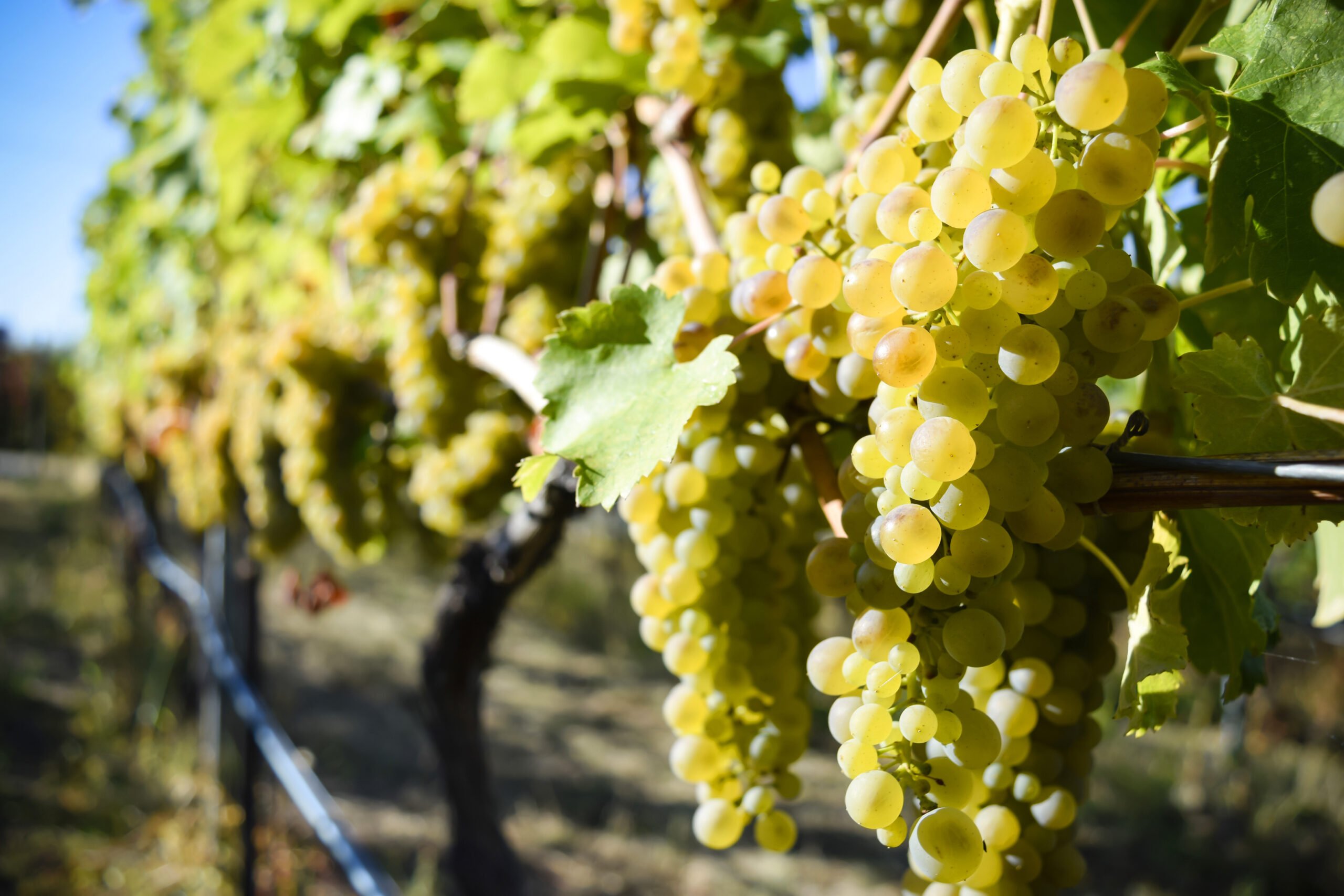
Viognier is a white grape variety known for its aromatic and flavorful wines with rich stone fruit notes like apricot and peach. Originally from the Northern Rhône region of France, it thrived on the steep slopes of Condrieu but nearly disappeared in the 20th century. By the 1960s, only a small number of Viognier vines remained in Northern Rhône. Thankfully, winegrowers in Australia’s Eden Valley and California’s Mount Harlan helped revive the grape in the 1970s. Since then, Viognier has made a major comeback and is now grown in countries around the world, including France, Spain, Italy, Argentina, South Africa, Australia, and even Japan. Known for its floral and herbal aromas, Viognier produces wines with a smooth, honey-like texture. When oak-aged, it develops creamy layers that complement its fruit-forward profile.
Vodka
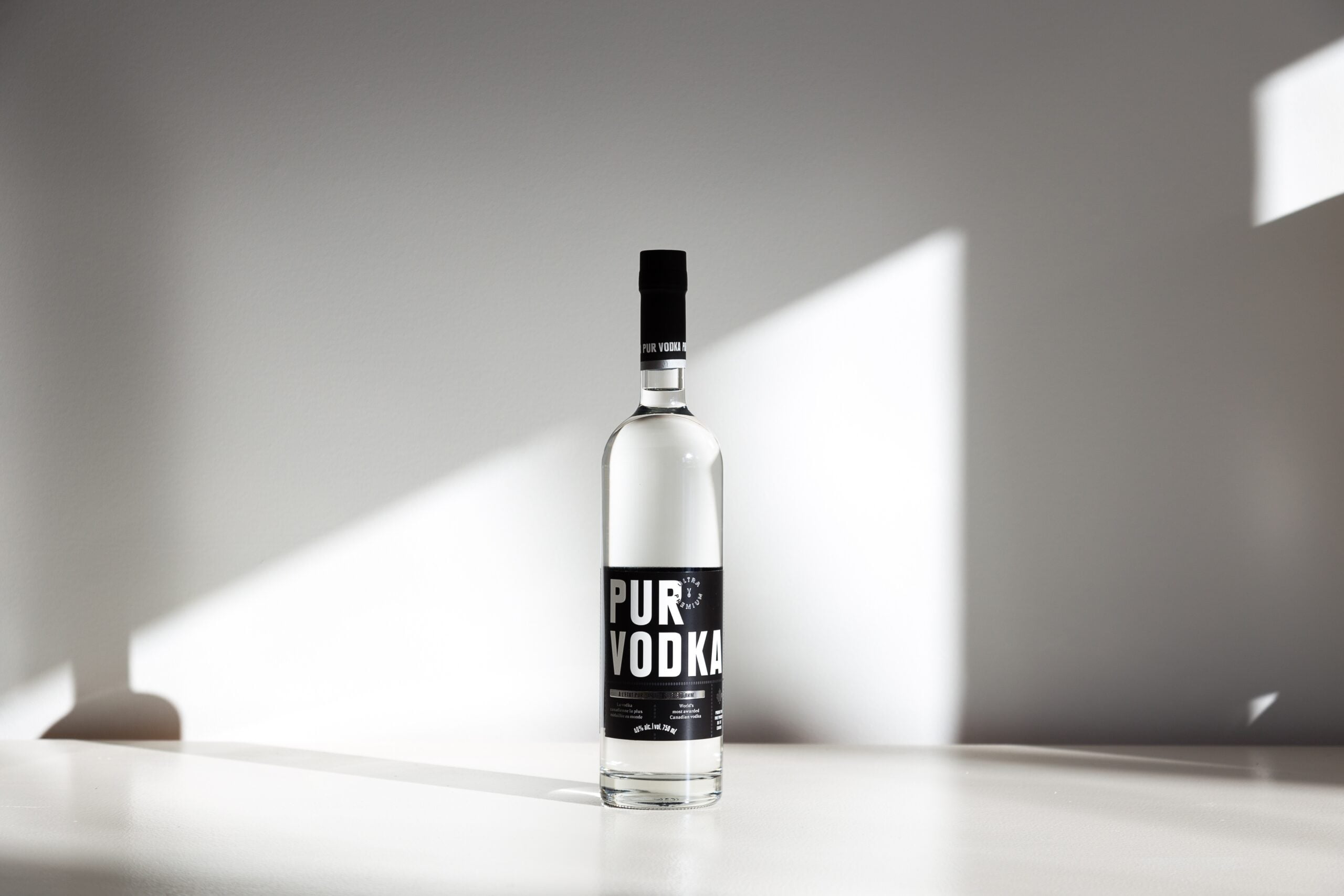
Vodka is a clear, distilled alcoholic drink that originated in Poland, Russia, and Sweden. It is mainly made of water and ethanol, with small amounts of impurities or flavorings. Traditionally, vodka was created by distilling liquid from fermented cereal grains or potatoes. Today, some brands also use ingredients like corn, sugar cane, fruit, honey, or maple sap as a base. Since the 1890s, most vodkas contain 40% alcohol by volume (80 proof), though the European Union requires a minimum of 37.5% ABV, and in the United States, vodka must have at least 40% ABV. In countries like Russia, Poland, and Sweden, vodka is often served straight, chilled, and without mixers, especially in colder regions known as the “vodka belt.” However, it is also a key ingredient in many popular cocktails, including the vodka martini, Bloody Mary, Moscow mule, and Cosmopolitan.
Vodka Tonic
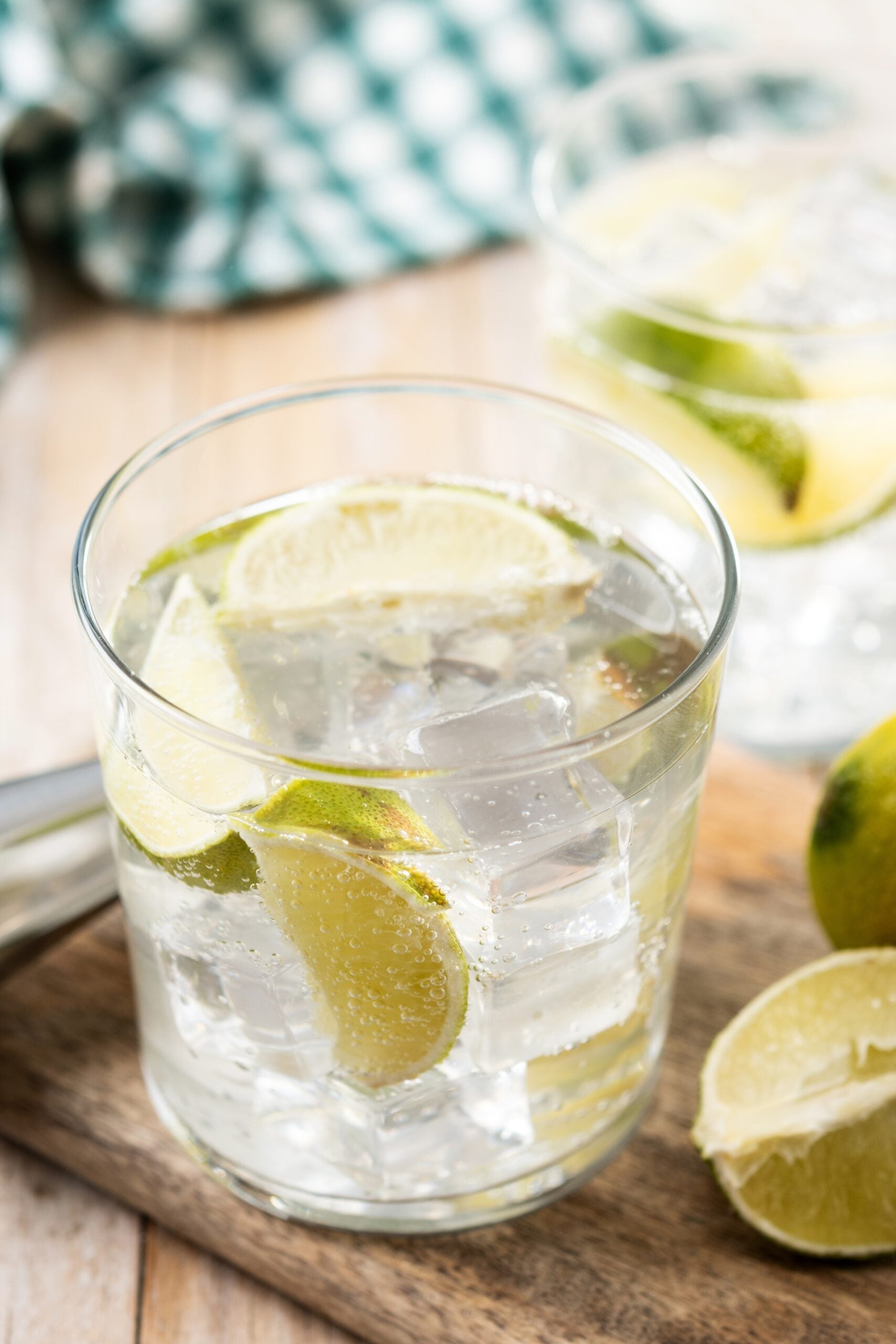
Vodka sodas might get all the attention, but let’s be honest—they’re a little plain and not as exciting as other drinks. That’s where vodka tonics come in! Similar to vodka sodas but with a touch of sweetness and more flavor, vodka tonics are super easy to make and perfect for any occasion. The secret to a great vodka tonic? Citrus! A squeeze of lemon, lime, or even something bold like blood orange adds the perfect acidic bite and makes the drink look extra fancy. Ready to try it? You’ll need ice, 2 ounces of vodka, 5 ounces of tonic water, and a lemon wedge. Just fill a glass with ice, pour in the vodka, top with tonic, give it a stir, and finish with a lemon wedge. Cheers!
Non-Alcoholic Drinks
Valencia Orange Juice
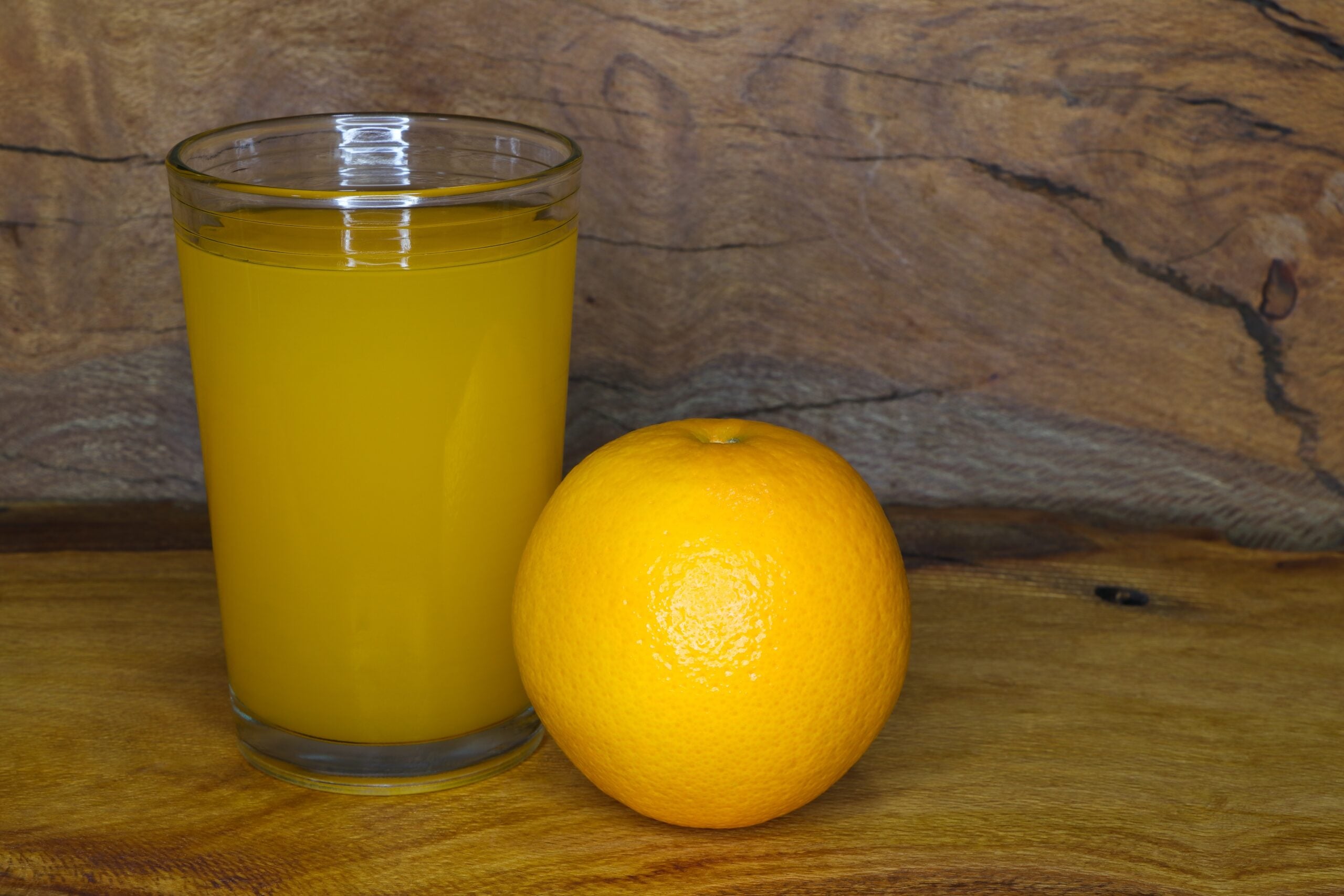
Valencia orange juice is made from Valencia oranges, known for their incredible sweetness and juiciness. These bright, thin-skinned oranges are easy to peel and perfect for making fresh juice. The first time I tried Valencia orange juice it was unforgettable—like drinking sunshine! The flavor was so much better than store-bought juice. Valencia oranges are in season from spring to summer, making their juice a refreshing treat on hot days. Best of all, it’s super easy to make—just squeeze the oranges and enjoy! You can even mix it with other juices or cocktails for something fun and different. If you see Valencia oranges at the store, grab a bag and give them a try!
Vanilla Bean Frappuccino
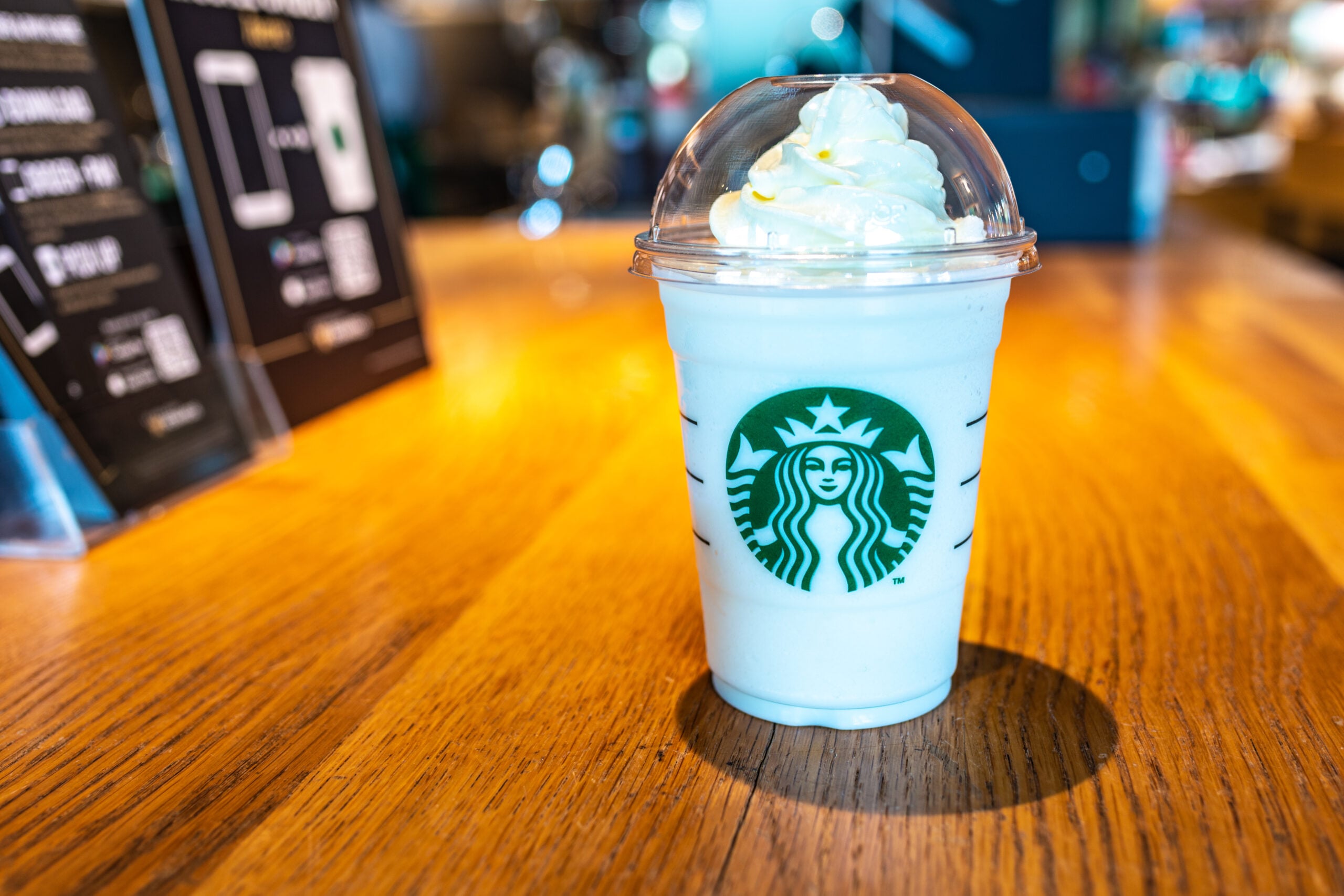
The Vanilla Bean Frappuccino is a creamy, sweet Starbucks favorite, especially for those who want a caffeine-free treat. But let’s face it, grabbing one every day isn’t always realistic. The good news is you can easily make it at home with just a few simple ingredients. The secret to its rich flavor is vanilla bean paste, which includes real vanilla bean seeds for that authentic taste and those signature specks of vanilla. Start by adding a cup of ice and a cup of milk to a blender. Then mix in a teaspoon of vanilla bean paste and two tablespoons of sugar or your favorite sweetener. To make it even thicker and creamier, add a splash of heavy cream or half-and-half. Blend everything on high until the mixture is smooth and slushy, with no chunks of ice. In just a few minutes, you’ll have a homemade version of this Starbucks classic that’s just as indulgent and delicious.
Vanilla Cola

Vanilla Coke, officially known as Coca-Cola Vanilla, is a vanilla-flavored version of the classic Coca-Cola soda. First launched in 2002, it was later discontinued in North America and the UK in 2005, though it remained available at some fountain locations. The drink made a comeback in the US in 2007, in Denmark in 2012, the UK in 2013, and Canada in 2016. Known for its sweeter taste compared to regular cola, Vanilla Coke blends the classic cola flavor with hints of vanilla, adding an extra layer of sweetness and depth. This unique twist on a classic soda makes it a refreshing and delicious choice for any occasion.
Vanilla Milkshake

A vanilla milkshake is a classic, creamy treat made with just three ingredients: milk, vanilla ice cream, and a splash of vanilla extract. The key to the perfect milkshake is finding the right balance between ice cream and milk so it’s thick yet easy to sip through a straw. For the best results, always use high-quality vanilla bean ice cream. Avoid the artificially flavored tubs, as good ice cream makes all the difference. Adding a little vanilla extract enhances the flavor even more. To get the perfect consistency, start with a small amount of milk and gradually add more until it’s just right.
Vegetable Broth
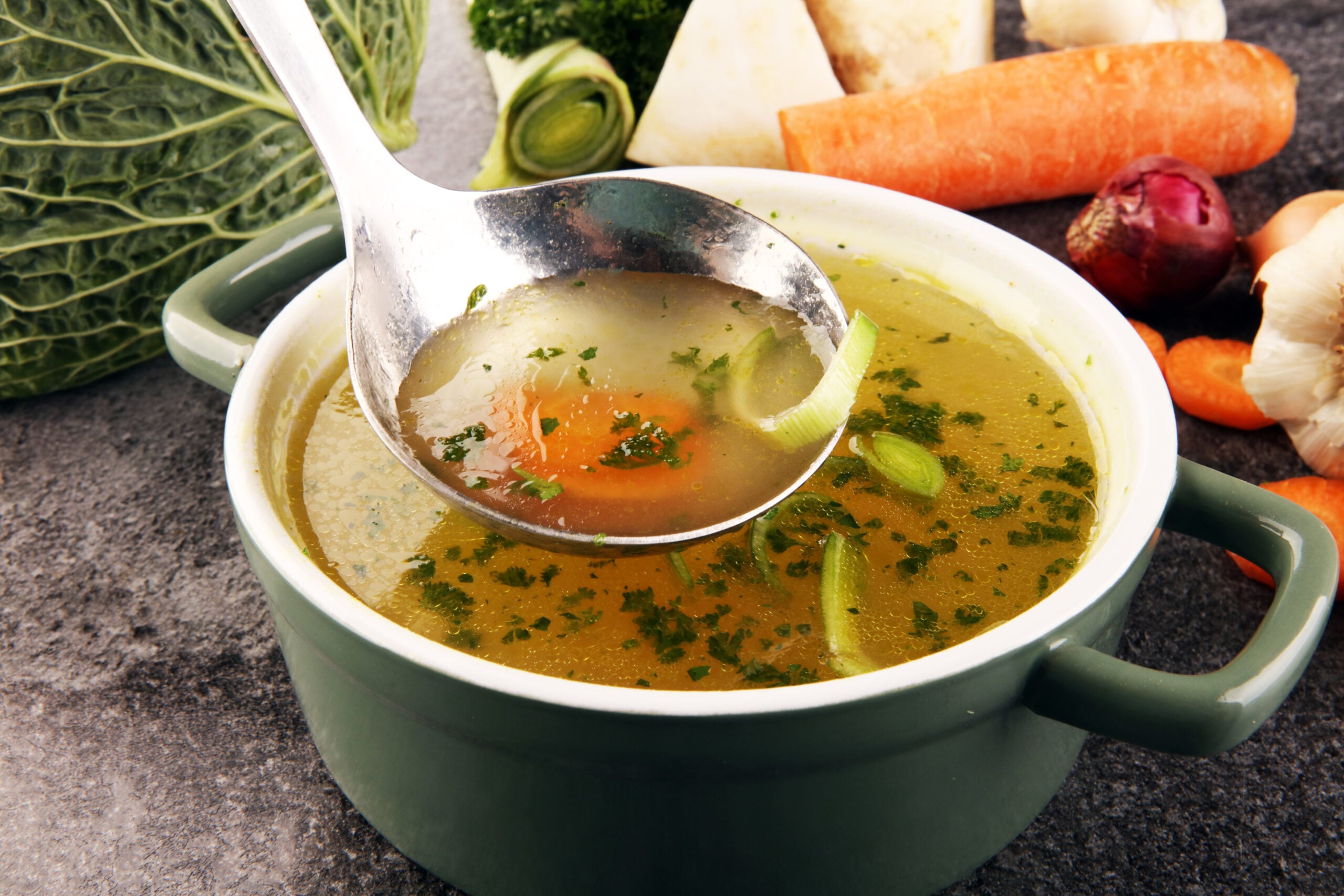
Vegetable broth is a tasty liquid made by simmering a mix of vegetables, herbs, and spices in water. To make it, start by washing your vegetables thoroughly, peeling and chopping them into pieces. Heat some oil in a large pot over medium-low heat, then sauté onions, carrots, celery, and garlic for about 5 minutes. Add the rest of your vegetables, such as bay leaves, parsley, rosemary, and thyme, along with water, and let everything cook on medium-high heat for 30 minutes to an hour to bring out the flavors. Season with salt to taste, and if you like a bit of spice, throw in chili or black pepper. Let the broth cool for 15-20 minutes before straining, and it’s ready to serve. Great vegetables for broth include broccoli stems, bell pepper scraps, potato peels, leeks, herb remnants, and even spent corn cobs, but avoid items like too many florets, onion and garlic skins, excess leaves, and celery tops, as they can make the broth taste bitter.
Vegetable Juice

Vegetable juice is a drink made mainly from blended vegetables and is also available as a powder. To improve the taste, it’s often mixed with fruits like apples or grapes. While it’s promoted as a low-sugar alternative to fruit juice, some commercial brands sweeten it with fruit juices and may add high amounts of sodium. Common vegetable juice ingredients include carrots, beets, pumpkin, and tomatoes, even though the latter two are technically fruits. Other popular additions are parsley, kale, celery, cucumbers, fennel, and dandelion greens, with lemon, garlic, or ginger sometimes included for their health benefits. Carrot juice and tomato juice are among the most common types, while in Asian cultures, Chinese yam is occasionally used.
Viennese Coffee

If you’re craving a warm, cozy drink to enjoy by the fire with your family, Viennese coffee is worth trying. This delightful blend of coffee and hot chocolate is sure to impress any guest. Similar to a café mocha but with a unique twist, Viennese coffee combines espresso, chocolate syrup, chocolate ganache, and plenty of whipped cream. You can top it with cinnamon, cocoa powder, or chocolate sprinkles—whatever you like! While this rich and creamy coffee is popular in Europe, it’s not commonly found in U.S. coffee shops, so making it at home is your best bet.
Vietnamese Iced Coffee
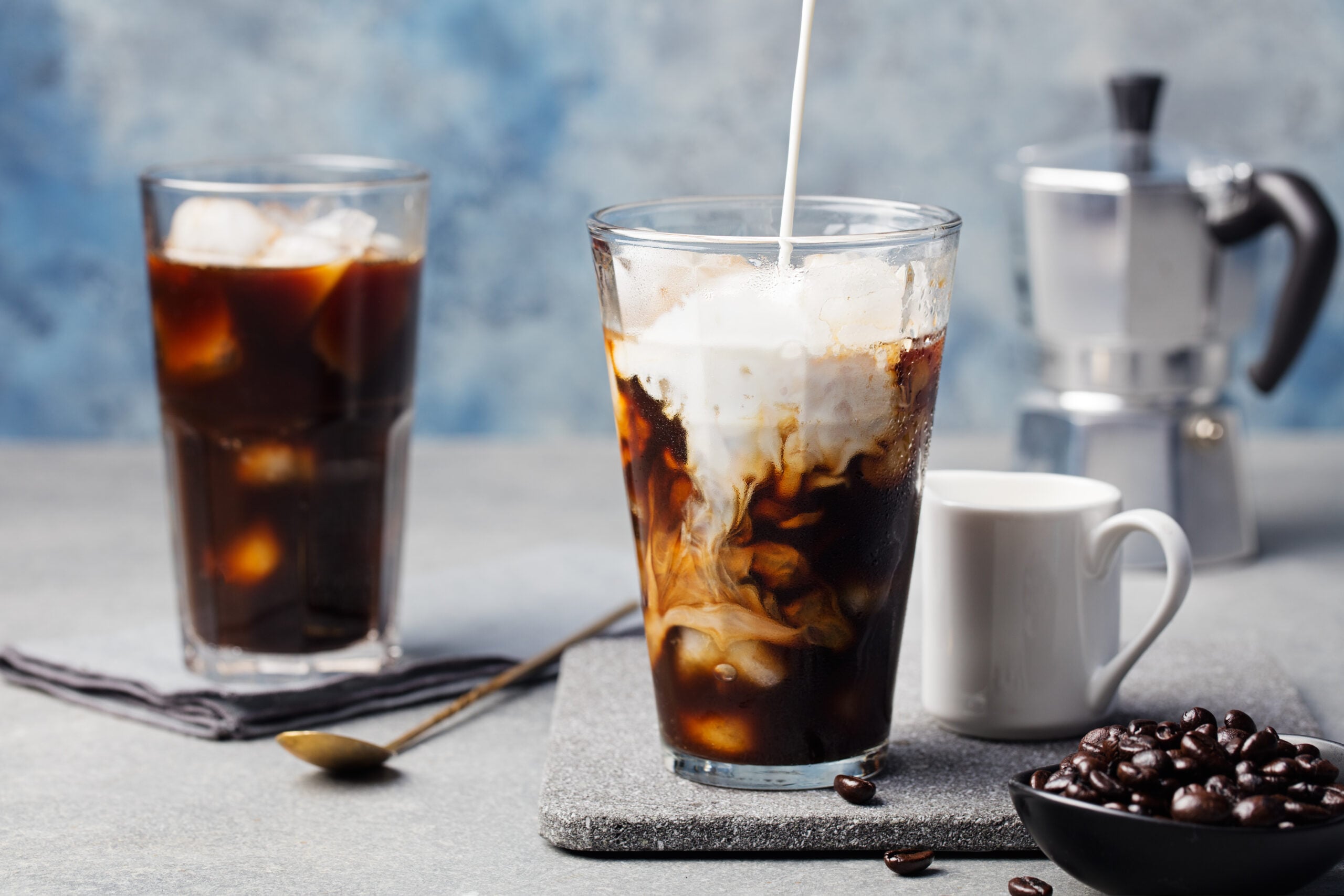
Vietnamese coffee offers a rich, flavorful experience with several popular variations to try. Cà Phê Sữa Đá, or Vietnamese iced coffee with milk, is made by brewing strong, syrupy coffee—similar to espresso—over sweetened condensed milk using a small individual filter. Once brewed, it’s poured over ice for a perfect balance of caramel sweetness, bold coffee flavor, and refreshing chill. For a hot version, Cà Phê Sữa Nóng, the same ingredients are used, but without the ice, and the glass is often warmed in hot water. Cà Phê Đen, or black coffee, skips the condensed milk altogether for a strong, no-frills option, while Cà Phê Đen Đá is the iced black coffee version. Most Vietnamese coffee is made with robusta beans, known for their bold flavor and high caffeine content, making these drinks as energizing as they are delicious.
Virgin Mary
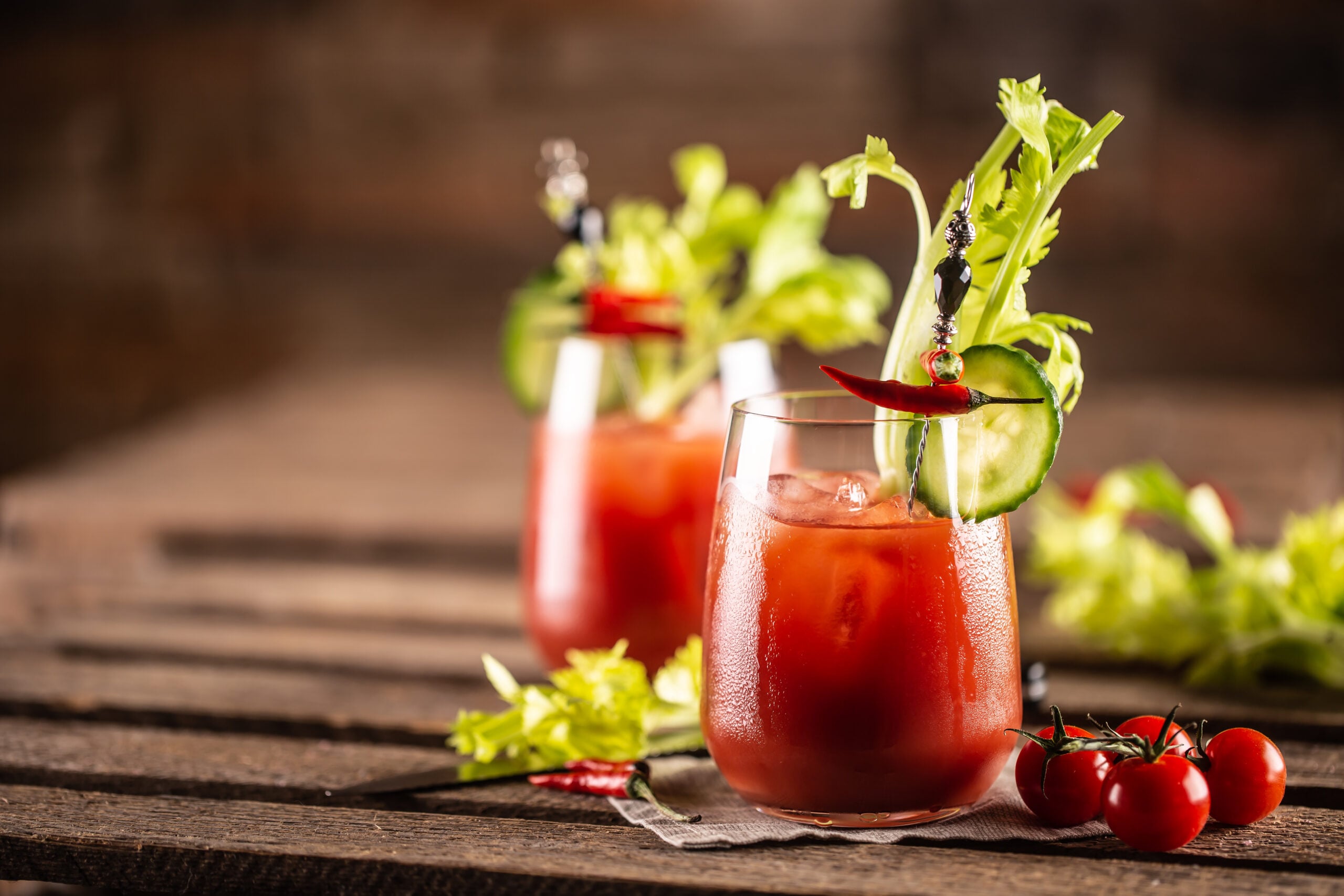
A virgin mary is the nonalcoholic version of a bloody mary, offering the same tangy, savory, and spicy flavors without the alcohol. It’s a drink that works well with any meal—brunch being a favorite—or as a refreshing stand-alone beverage. This mocktail is perfect for those who don’t drink alcohol, whether by choice or necessity, making it a great option for events like baby showers or as a cooling treat on hot summer days. To make one, simply skip the vodka in your usual bloody mary recipe.
Vitamin Water
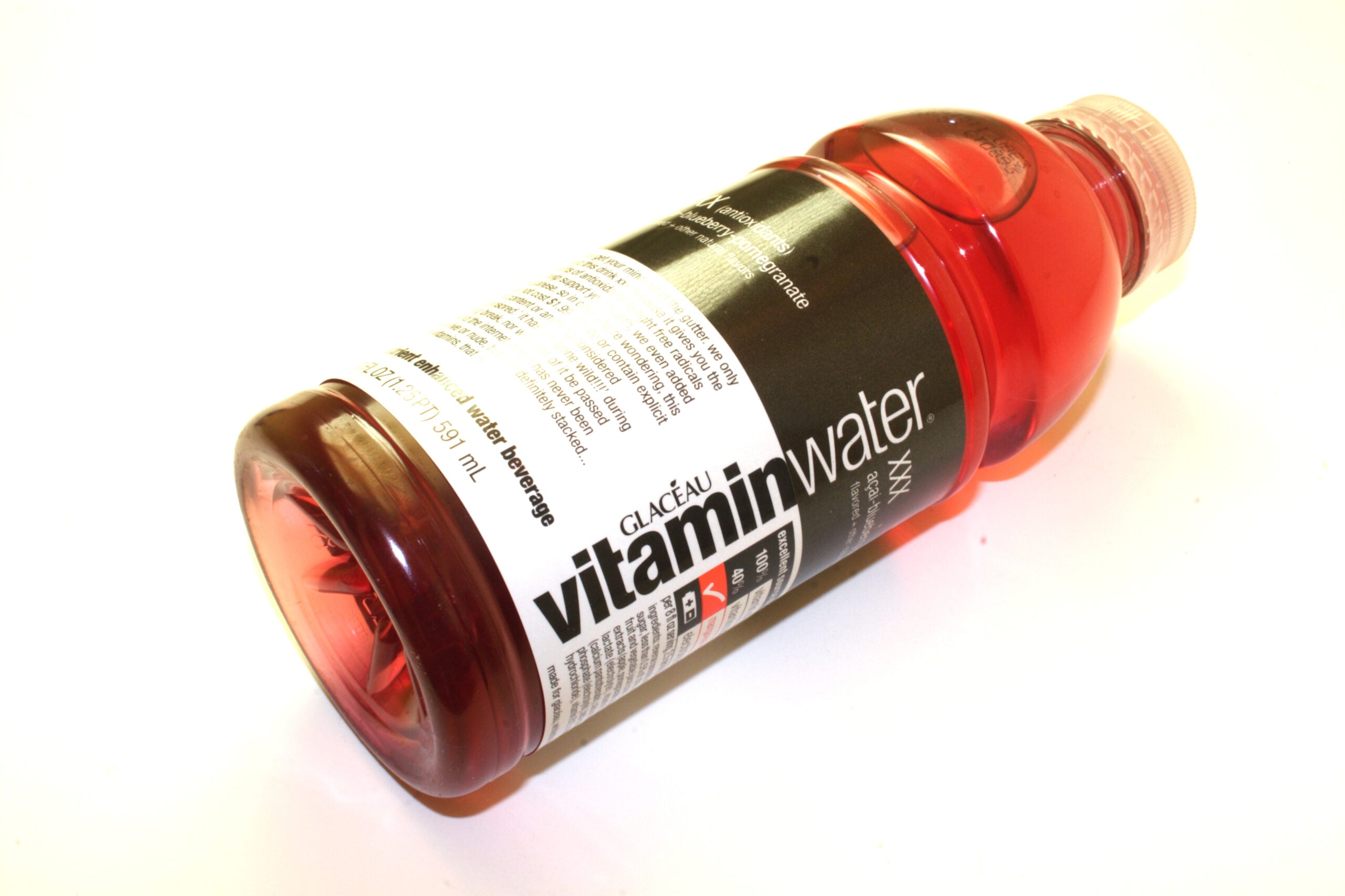
Vitamin Water is a popular flavored drink that’s packed with added vitamins and minerals. One of the best-known versions is Glaceau Vitamin Water, made by Coca-Cola. Over the past decade, its popularity has grown, thanks to clever marketing and celebrity endorsements from stars like 50 Cent. Many people see it as a healthier alternative to sugary sodas because it’s advertised as providing essential nutrients. Unlike regular soft drinks loaded with high-fructose corn syrup and empty calories, Vitamin Water is designed to offer a refreshing way to get vitamins while enjoying fruity flavors. It’s become a go-to choice for those who want to stay healthy without giving up the fun of flavored beverages.
V8 Juice
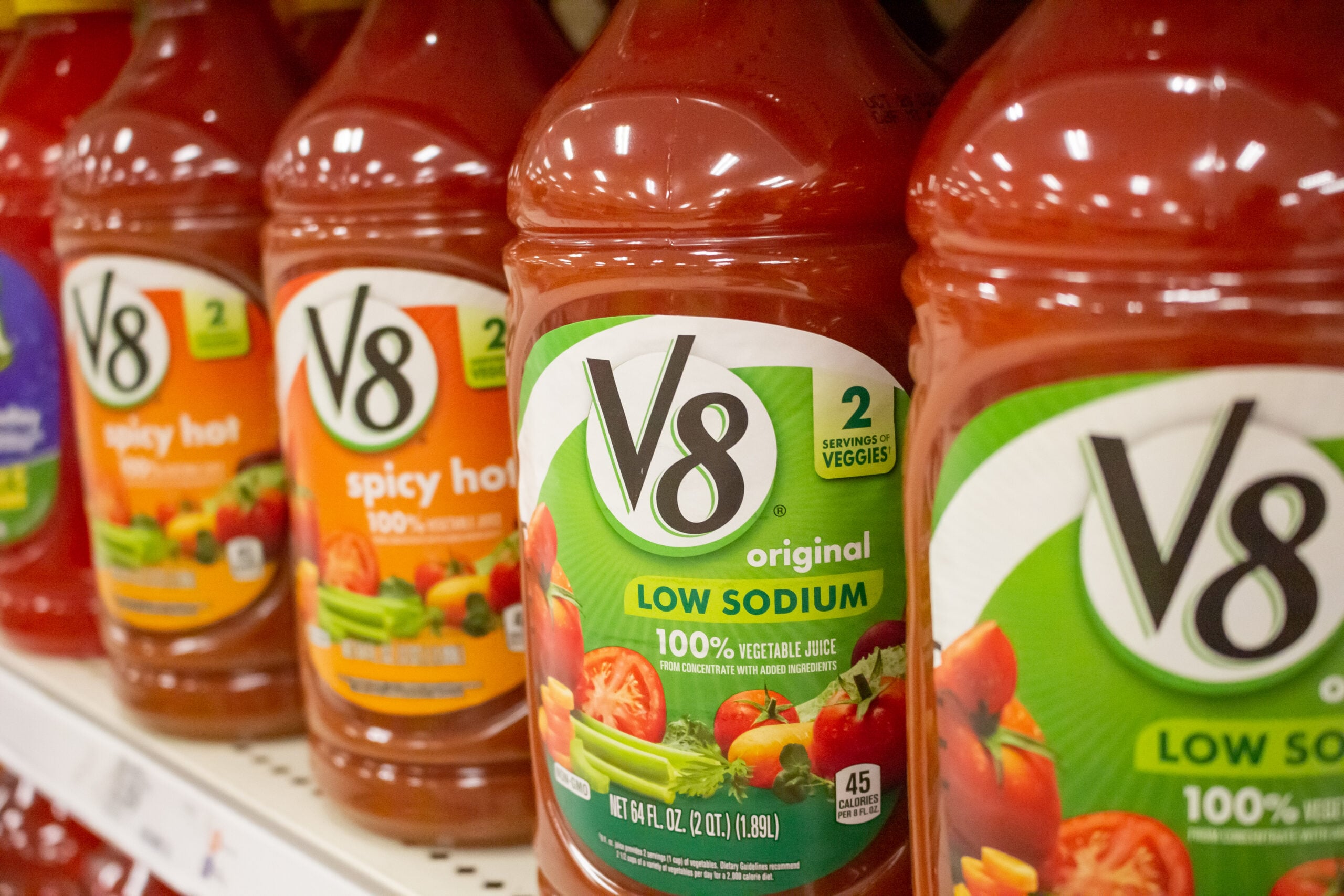
V8 Vegetable Juice, often called V8, is a well-known brand of beverages made from a mix of eight vegetables or a combination of vegetables and fruits. The original V8 juice is tomato-based and got its name because it includes juice from eight vegetables: tomatoes, beets, celery, carrots, lettuce, parsley, watercress, and spinach. It has a savory flavor and is made primarily from water, tomato concentrate, and a reconstituted vegetable juice blend. Over the years, Campbell’s has created several variations, including Spicy Hot, Low-Sodium, Lemon, and Organic options.
More Foods/Drinks!
Yellow foods listed with pictures, facts
Yellow drinks listed with pictures, facts
100 foods that start with the letter A
100 foods that start with the letter B
100 foods that start with the letter C
3-letter foods listed with pictures and facts
4-letter foods listed with pictures and facts
5-letter foods listed with pictures and facts6-letter foods listed with pictures and facts


Leave a Comment