
Y is for Yerba mate and Yellow Submarines, both of which are yummy! Though too many Yellow Submarines might leave you yawning and yearning for your bed. Check out this list of 25 drinks beginning with the letter Y to find your next one!
Drinks That Start With Y – Alphabetized
Your handy alphabetized list for quick reference:
Alcoholic Drinks
- Yanjing Beer
- Yellow Bird
- Yellow Chartreuse
- Yellow Hammer
- Yellow Jacket
- Yellow Submarine
- Yellow Tail Wine
- Yellowfin Vodka
- Yeni Raki
- Yeti Imperial Stout
- Yorsh
- Yuengling Lager
- Yukon Jack
- Yule Nog
Non-Alcoholic Drinks
- Yagé
- Yak Milk
- Yakult
- Yamecha
- Yerba Mate
- Yerbae
- Yoghurt Drink
- Young Coconut Water
- Yumberry Juice
- Yuzu Lemonade
- Yuzu Tea
Drinks That Start With Y – Listed with Pictures and Facts
Alcoholic Drinks
Yanjing Beer
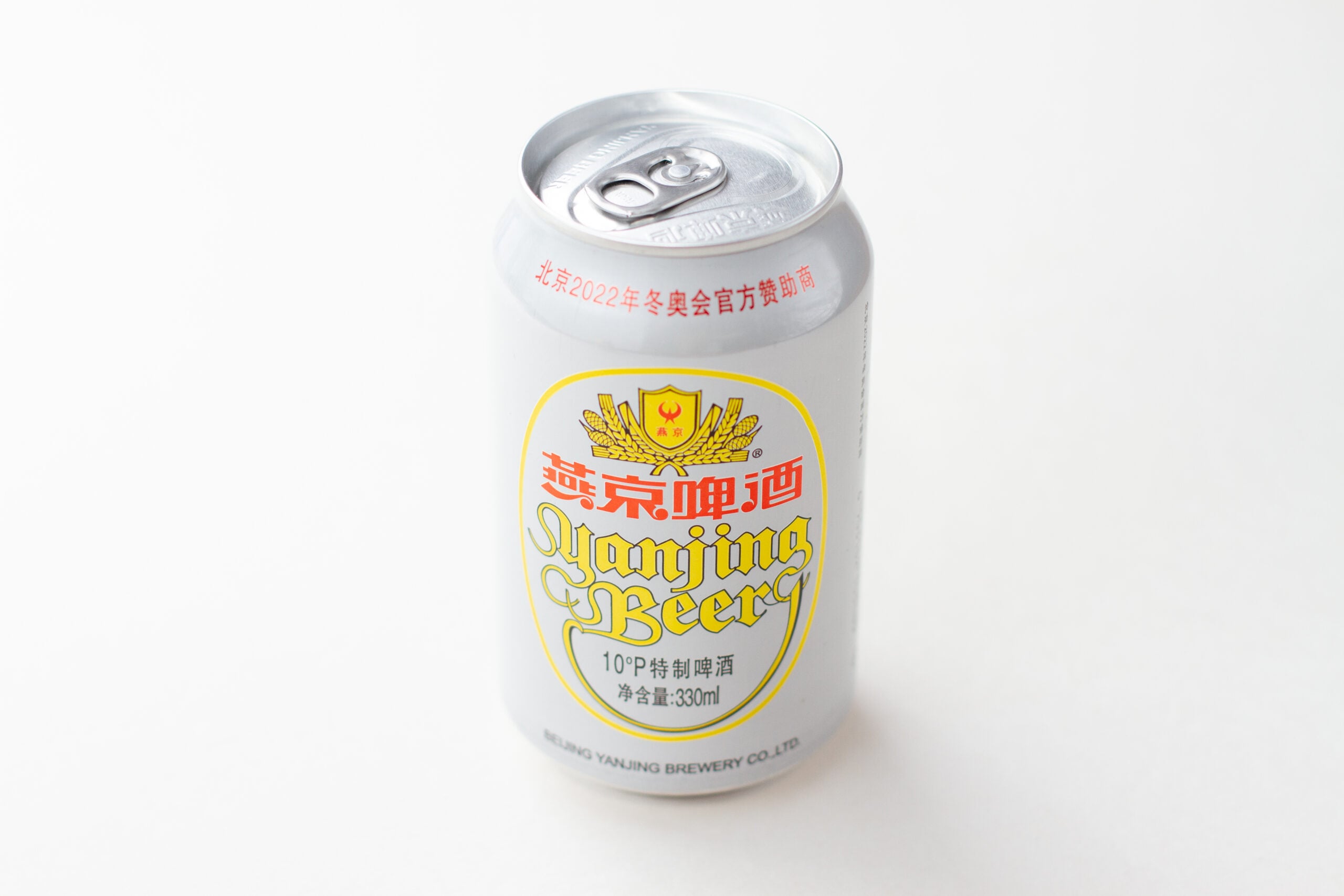
Yanjing Beer, brewed with pure mineral water from 300 feet below the Yanshan Mountains, is Beijing’s go-to light lager and has been China’s top-selling beer for 11 years straight. Crafted with ingredients like rice and brewed using environmentally friendly methods, Yanjing is known as a “green” beer, even coming in green bottles to protect it from sunlight. When poured, it’s clear and golden with great carbonation and a fluffy white head. The aroma is dry and floral, while the taste offers a crisp, light body with notes of malt and hops. The mild malty flavors finish quickly but pleasantly linger after each sip. As Asia’s largest brewery, Yanjing holds a spot similar to big names like Miller or Coors in the U.S. Cold, refreshing, and easy to drink, it’s perfect for a night of socializing or a few rounds of drinking games!
Yellow Bird
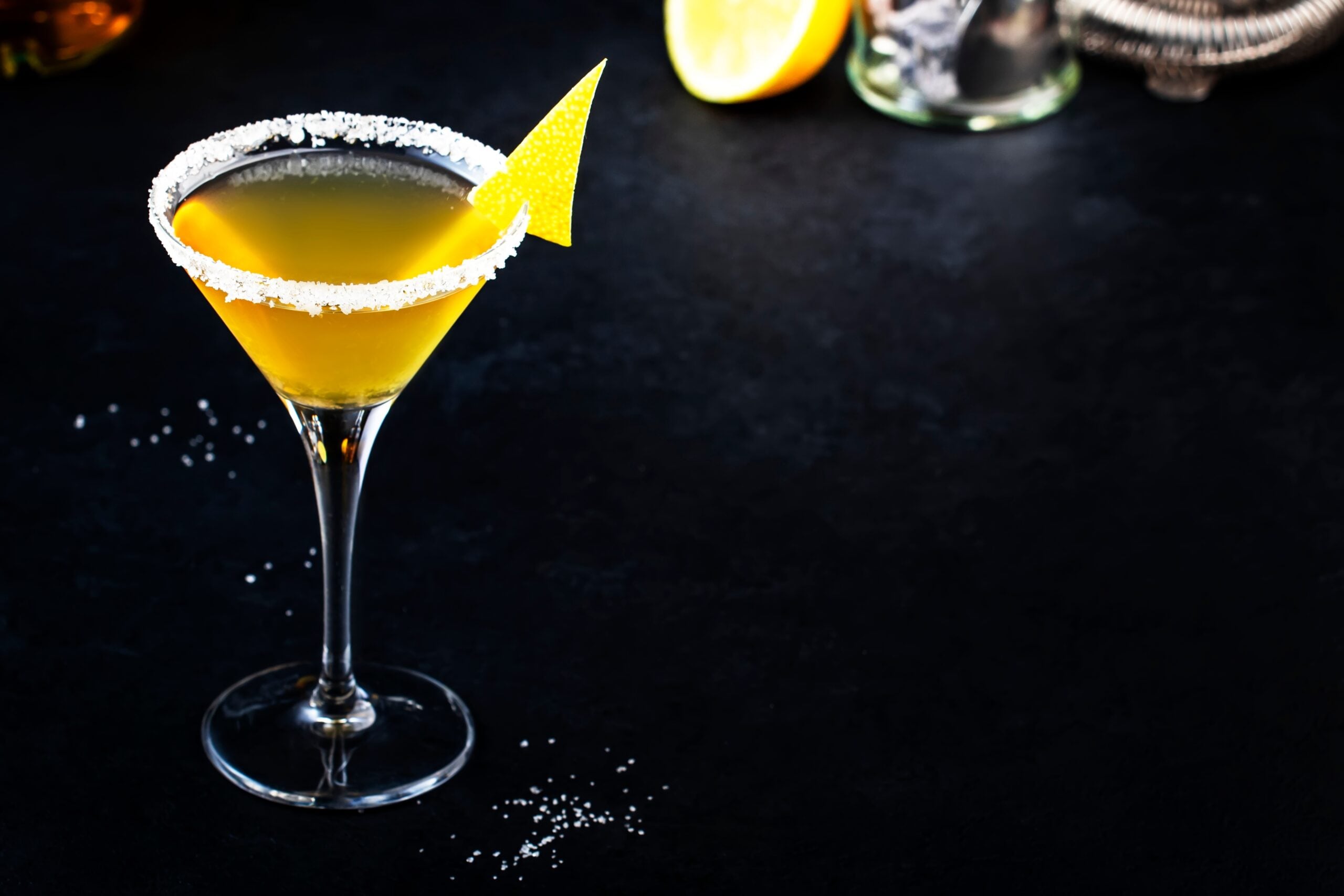
The Yellow Bird is a refreshing tropical rum cocktail that’s perfect for a taste of the Caribbean. It features a mix of orange and pineapple juices, though some variations include banana for an extra fruity twist. No two Yellow Birds are exactly the same, but the classic version combines light and dark rum, a splash of Galliano liqueur (which adds hints of anise and vanilla), and lime juice for a bright, balanced flavor. To make it, simply squeeze the juice of half a lime into a cocktail shaker filled with ice, then add 1 1/4 ounces of orange juice, 1 ounce each of light and dark rum, and 1/4 ounce of Galliano. Shake it all together, strain into a Collins glass filled with crushed ice, and garnish with a maraschino cherry and a fresh mint sprig if you like.
Yellow Chartreuse
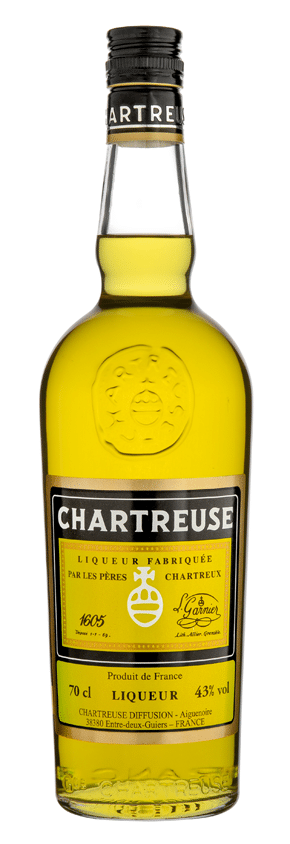
Chartreuse is a unique liqueur with a rich history and vibrant color, famously made by Carthusian monks in the French Alps since the 1700s. Its recipe, inspired by an ancient manuscript called “The Elixir of Long Life,” was gifted to the monks in 1605 by François Annibal d’Estrées, a marshal under King Henry IV. Written in code, the recipe took over a century to decode, and even today, no single person knows the full formula. The monks, who take a vow of silence, follow a secret system where each of them knows only part of the recipe. Chartreuse comes in two varieties, green and yellow. The green version is sharper and more intense, while the yellow is sweeter and has a softer, spiced flavor. Both are made from a blend of 130 plants, flowers, roots, and spices.
Yellow Hammer
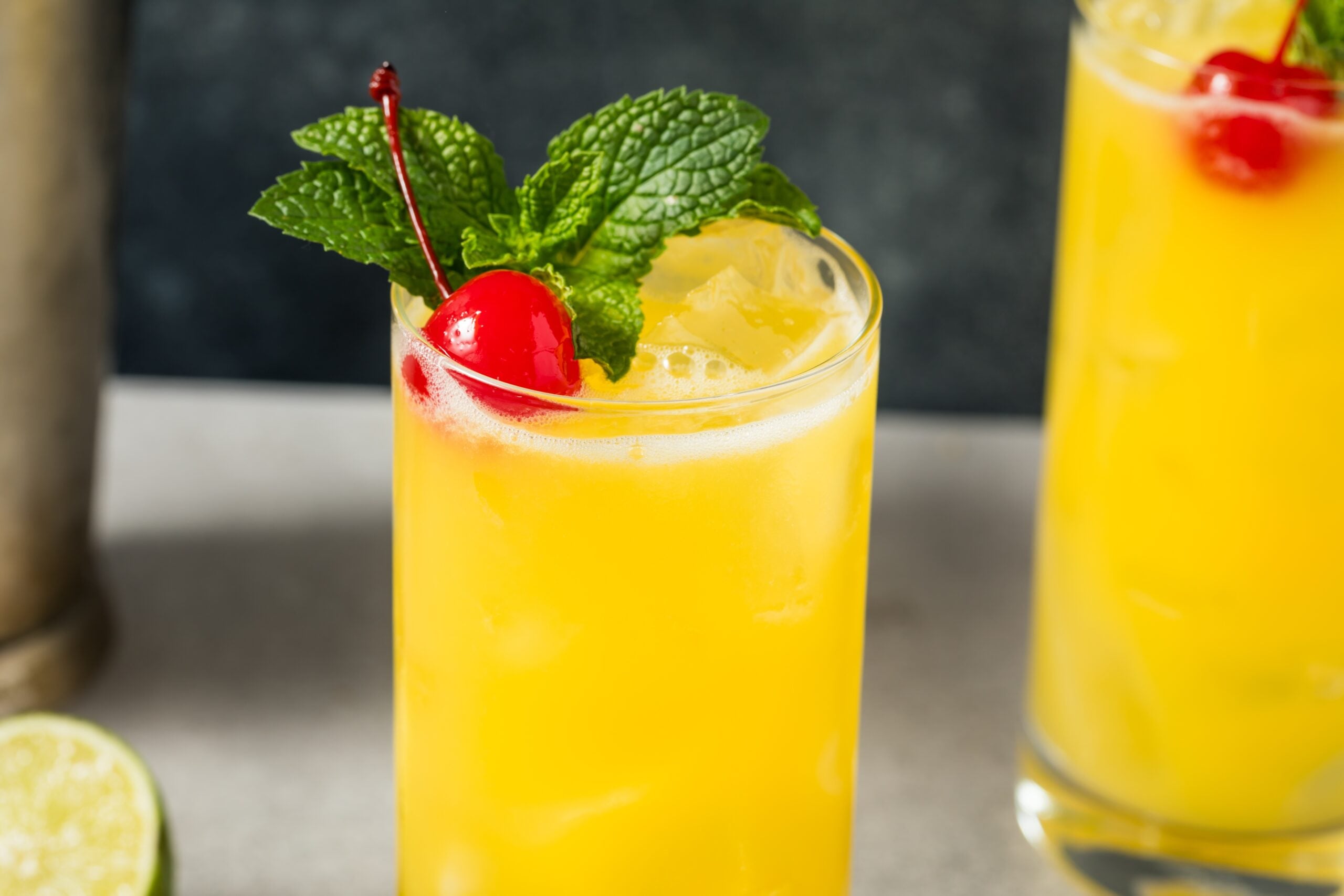
If you’ve ever spent a fall afternoon strolling along The Strip in downtown Tuscaloosa, chances are you’ve heard of the Yellowhammer, a citrusy cocktail made famous by Gallettes. This iconic bar serves up 4,000 to 5,000 cups of the drink on game days, and even more during big rivalry weekends. Like its namesake bird, the Yellowhammer is unforgettable. Made with a mix of pineapple juice, orange juice, vodka, amaretto, white rum, and orange liqueur, it’s a strong yet surprisingly smooth cocktail. To make your own, combine 2/3 cup pineapple juice, 1/2 cup orange juice, 2 oz. vodka, 2 oz. amaretto, 2 oz. white rum, and 1 oz. orange liqueur in a small pitcher, then stir well. Pour the mixture into two ice-filled pint glasses and garnish each with two maraschino cherries.
Yellow Jacket

The Yellowjacket is a flavorful twist on the classic Bees Knees cocktail, adding an herbal kick to this gin-based favorite. By swapping some of the honey syrup for Yellow Chartreuse, this version gets a sweet, boozy, and complex upgrade thanks to the liqueur’s blend of 130 herbs and botanicals. With its fresh citrus and floral honey notes, the Bees Knees is already a perfect springtime drink, but the Yellowjacket takes it up a notch with its bold flavors. To make it, combine 2 ounces of gin, ½ ounce of Yellow Chartreuse, 1 ounce of lemon juice, and ½ ounce of honey syrup in a shaker filled ¾ with ice. Shake well, strain into a cocktail glass, and garnish with a lemon twist for a bright and refreshing sip.
Yellow Submarine
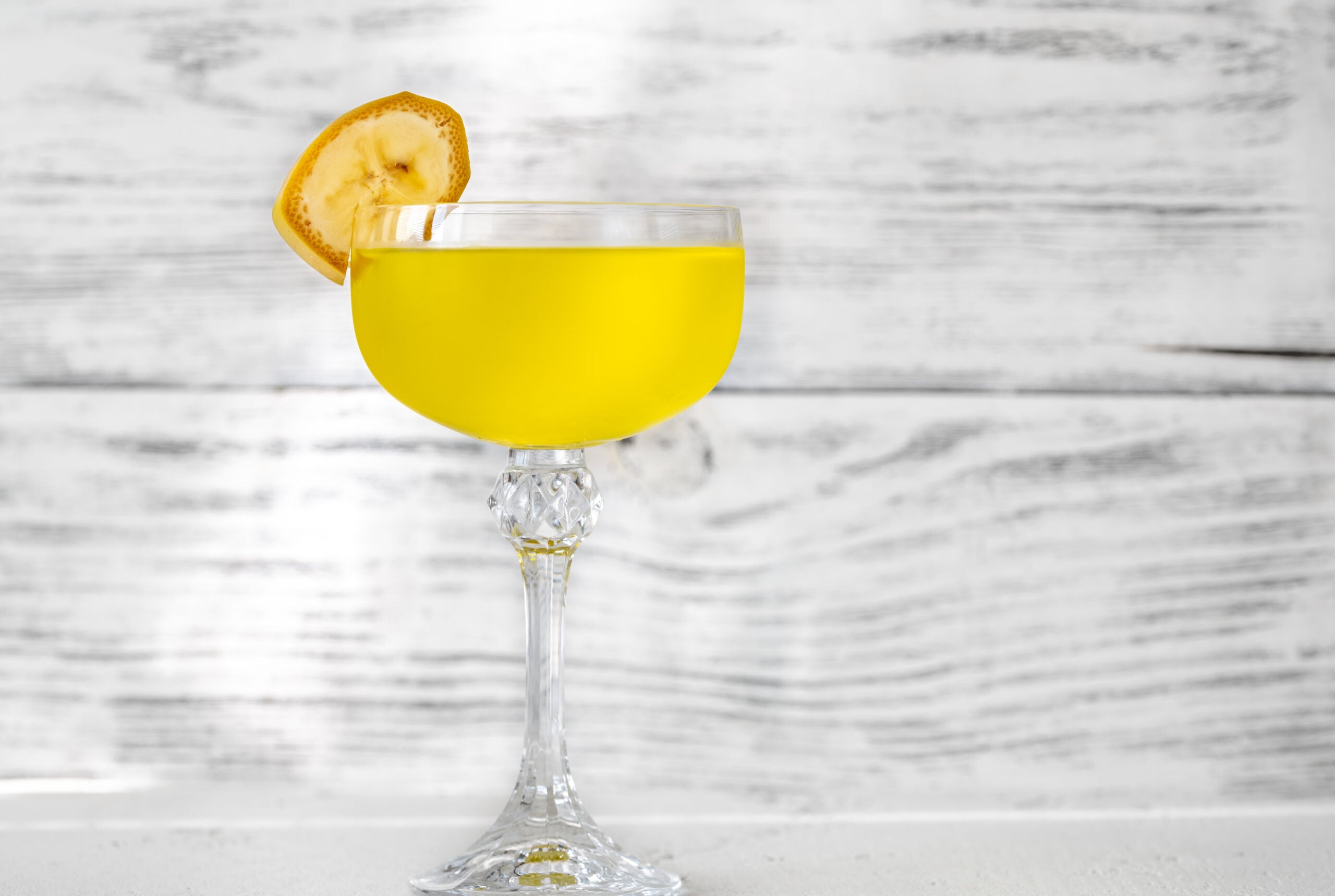
The Yellow Submarine cocktail is a vibrant, fruity drink inspired by the iconic Beatles song and movie. Perfect for fans of the Fab Four or anyone who enjoys a bright and refreshing beverage, this cocktail has been a favorite at themed parties and events since the 1960s. With its sweet, tropical flavors and a zesty citrus kick, it’s both light and delicious. To make it, combine 1 oz of vodka, 2 oz of pineapple juice, 1 oz of orange juice, and 0.5 oz of grenadine with a cup of ice. Garnish with a lemon slice and a maraschino cherry for a fun and colorful finish!
Yellow Tail Wine
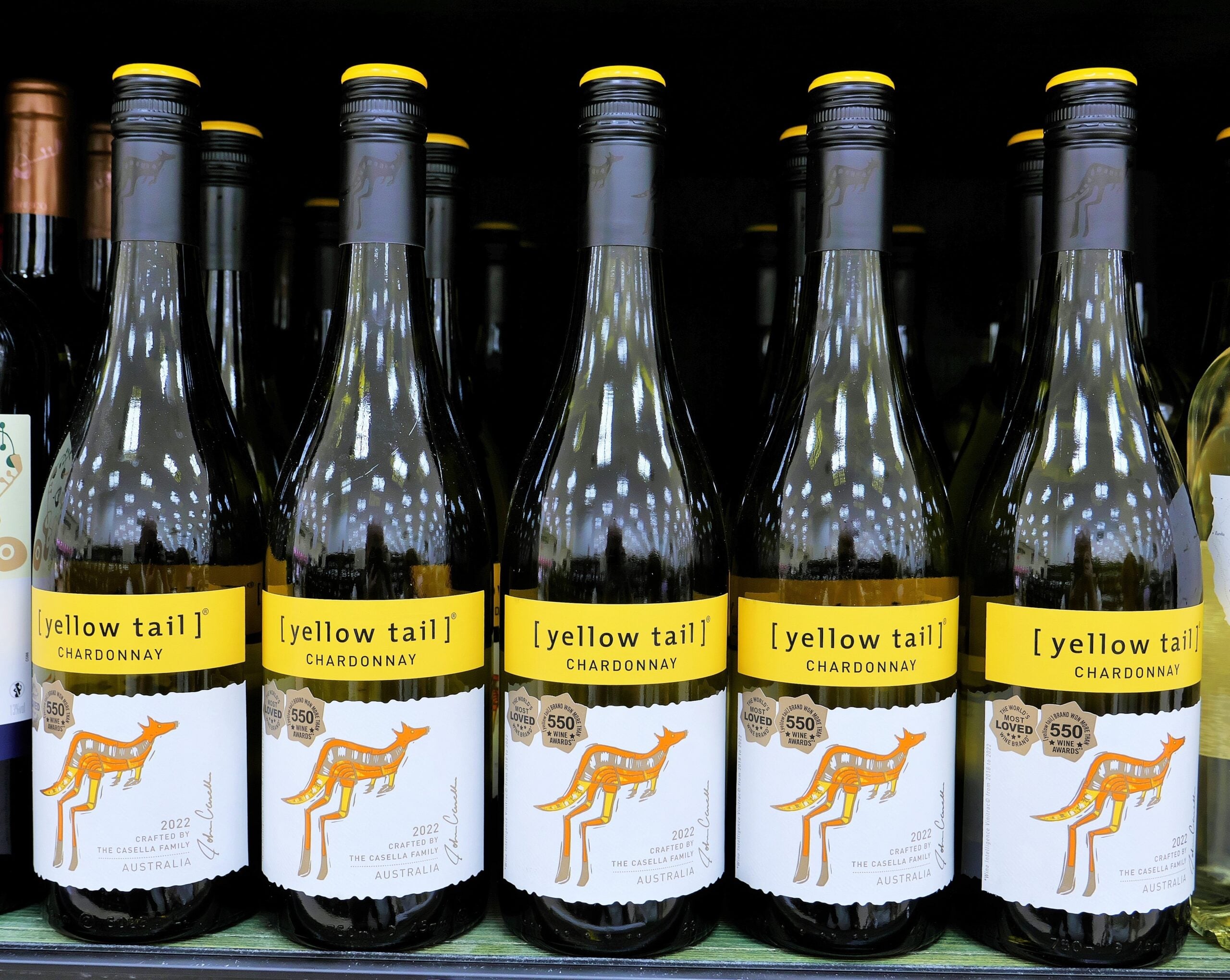
Yellow Tail is an Australian wine brand created by Casella Family Brands, based in Yenda, New South Wales. The Casella family, originally from Sicily, moved to Australia in 1957, led by Filippo Casella and his wife Maria. Yellow Tail was launched in 2000 as the family winery’s entry into the bottled wine market, having previously focused on producing bulk wine for other companies. Designed initially for export, it quickly gained popularity and became the top imported wine in the United States by 2011. The brand’s name comes from the yellow-footed rock wallaby, a relative of kangaroos. While Yellow Tail is widely recognized and often sold at high prices overseas, many Australians don’t consider it a prime example of the country’s wine, as there are plenty of other local options known for higher quality.
Yellowfin Vodka
Louisiana, famous for two of the world’s top Yellowfin Tuna fisheries, is also home to a distinctive line of single estate spirits made from local cane sugar and molasses. Among them is Yellowfin Otoro Vodka, the brand’s first and signature product, crafted to be a sipping vodka. This gluten-free, non-GMO spirit is created through a meticulous fermentation process, with no additives or added sugar after distillation. Perfect for enjoying neat, straight, or in sweet cocktails, it blends effortlessly into recipes. However, for dry drinks like vodka sodas or dirty martinis, Yellowfin Single Estate Vodka is the better choice. Produced in just four weeks, this smooth vodka is a testament to Louisiana’s dedication to quality and craftsmanship.
Yeni Raki
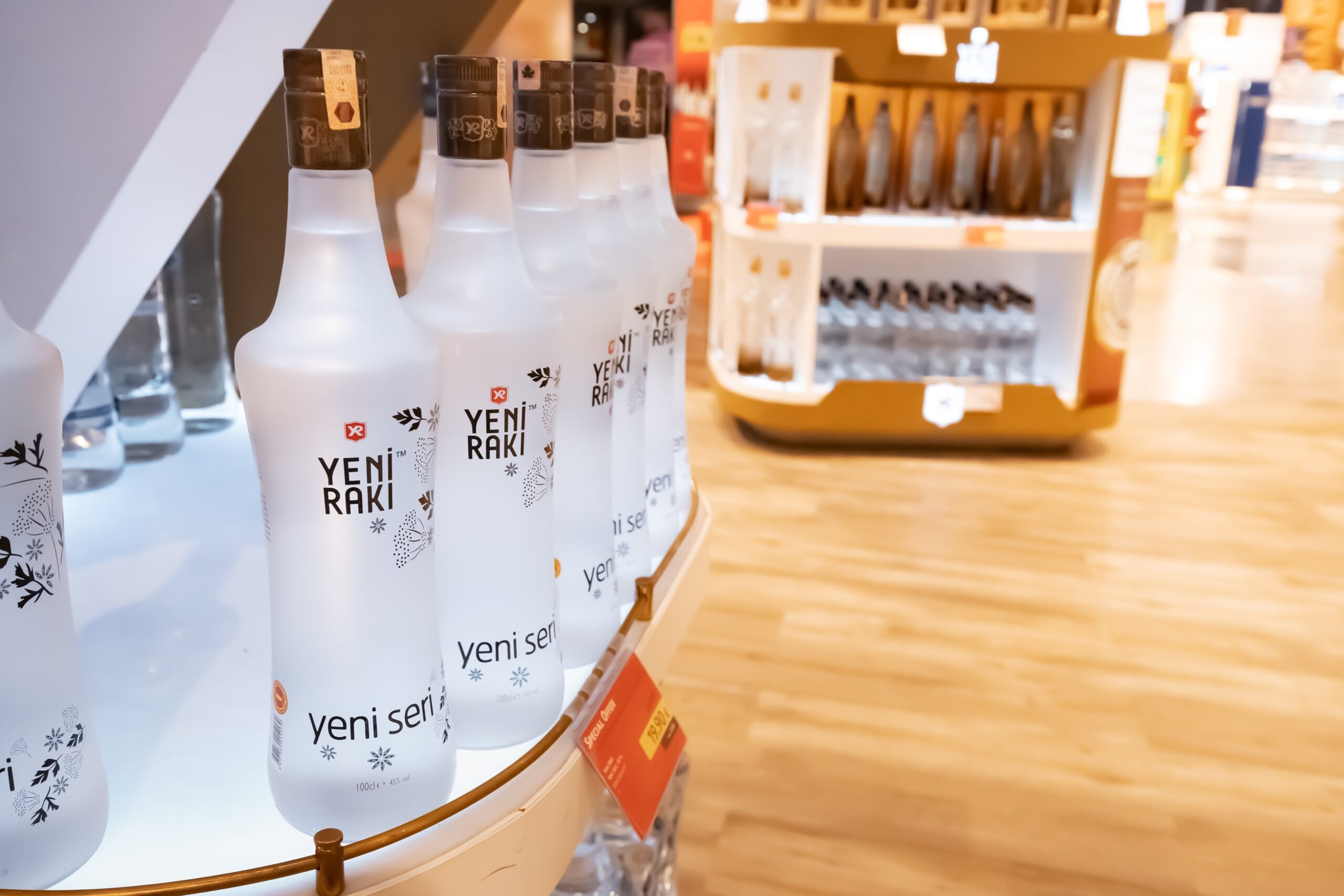
Rakı, often called Turkey’s unofficial national drink, is a traditional liqueur made from grapes and aniseed, typically enjoyed mixed with water. Yeni Rakı, the most popular and widely produced rakı in the world, embodies a 500-year-old tradition. Crafted with carefully selected fresh and dried Turkish grapes, it is blended with high-quality aniseed to create its distinct flavor. With an alcohol content of 45%, Yeni Rakı is more than just a drink—it represents a rich cultural heritage. It pairs beautifully with a variety of Turkish mezes and main dishes, making it a perfect addition to any meal.
Yeti Imperial Stout

With a semi-dry finish, it’s hard not to appreciate this brew. Great Divide Brewing Co.’s Yeti Imperial Stout from Colorado delivers a big roasted malt flavor with caramel and toffee undertones, all backed by a bold hop presence thanks to a hefty 75 IBUs. A rich brown, creamy head sits atop a deep, opaque black pour, giving this beer an inviting look. The aroma is filled with dark chocolate notes, and the sticky lacing hints at its bold character. The flavor is a perfect balance of cocoa sweetness without being over the top, complemented by a quick burst of carbonation with the first sip. At 9.5% ABV, it brings a warm, satisfying feel, while the medium mouthfeel stays true to the stout style.
Yorsh
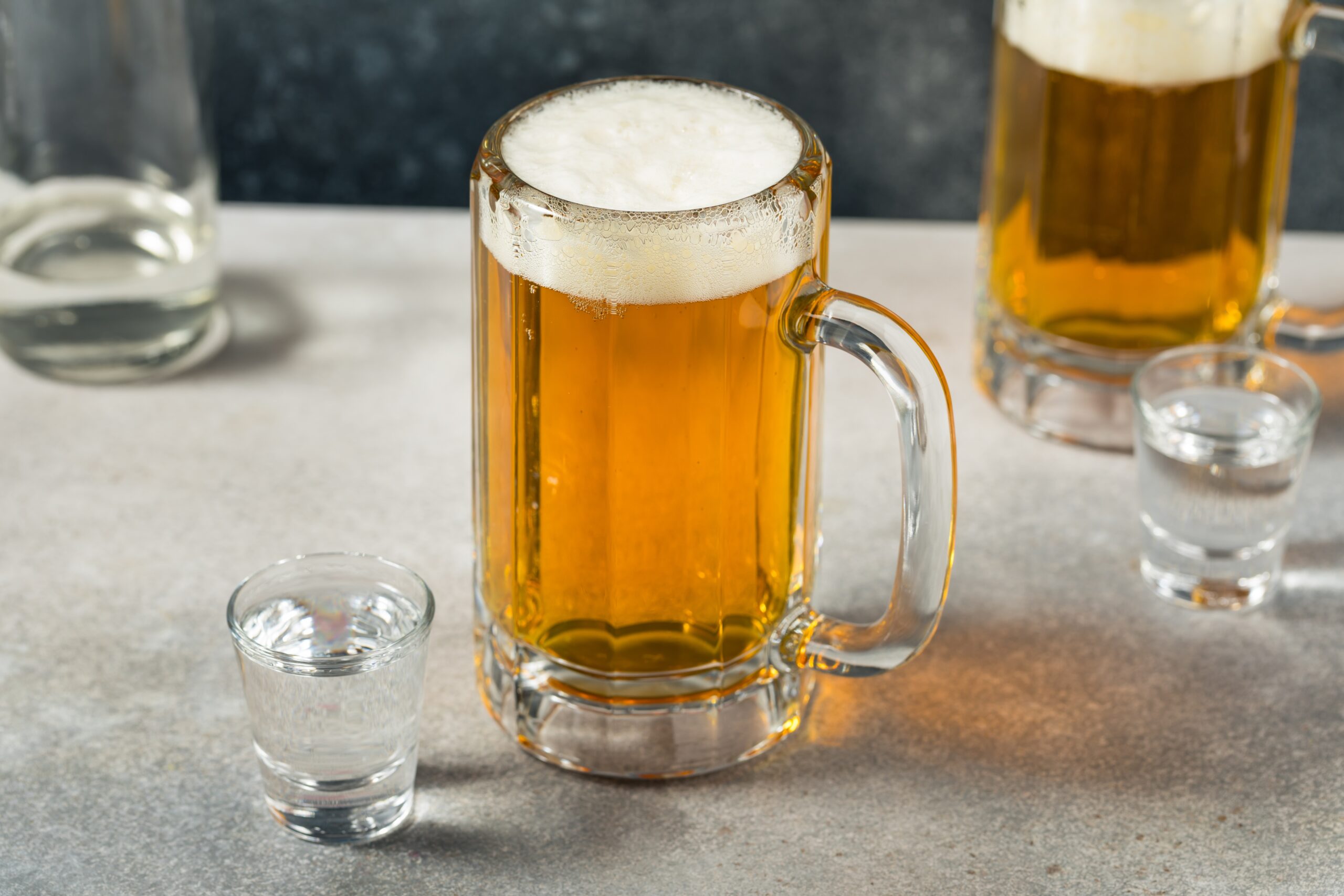
Yorsh is a traditional Russian mixed drink made by combining beer with a generous amount of vodka. This drink is typically enjoyed in social settings, often with a toast and followed by drinking a full glass in one go. Vodka, being a neutral spirit, doesn’t change the beer’s flavor much but significantly boosts its alcohol content. The term “yorsh” is also used informally, like the English term “jungle juice,” to describe a mix of various alcoholic ingredients that might not usually go together. The first recorded mention of a similar drink in Russian culture comes from the 17th-century poem “The Tale of Woe and Misfortune,” which described a version made with bread wine, an early form of vodka.
Yuengling Lager
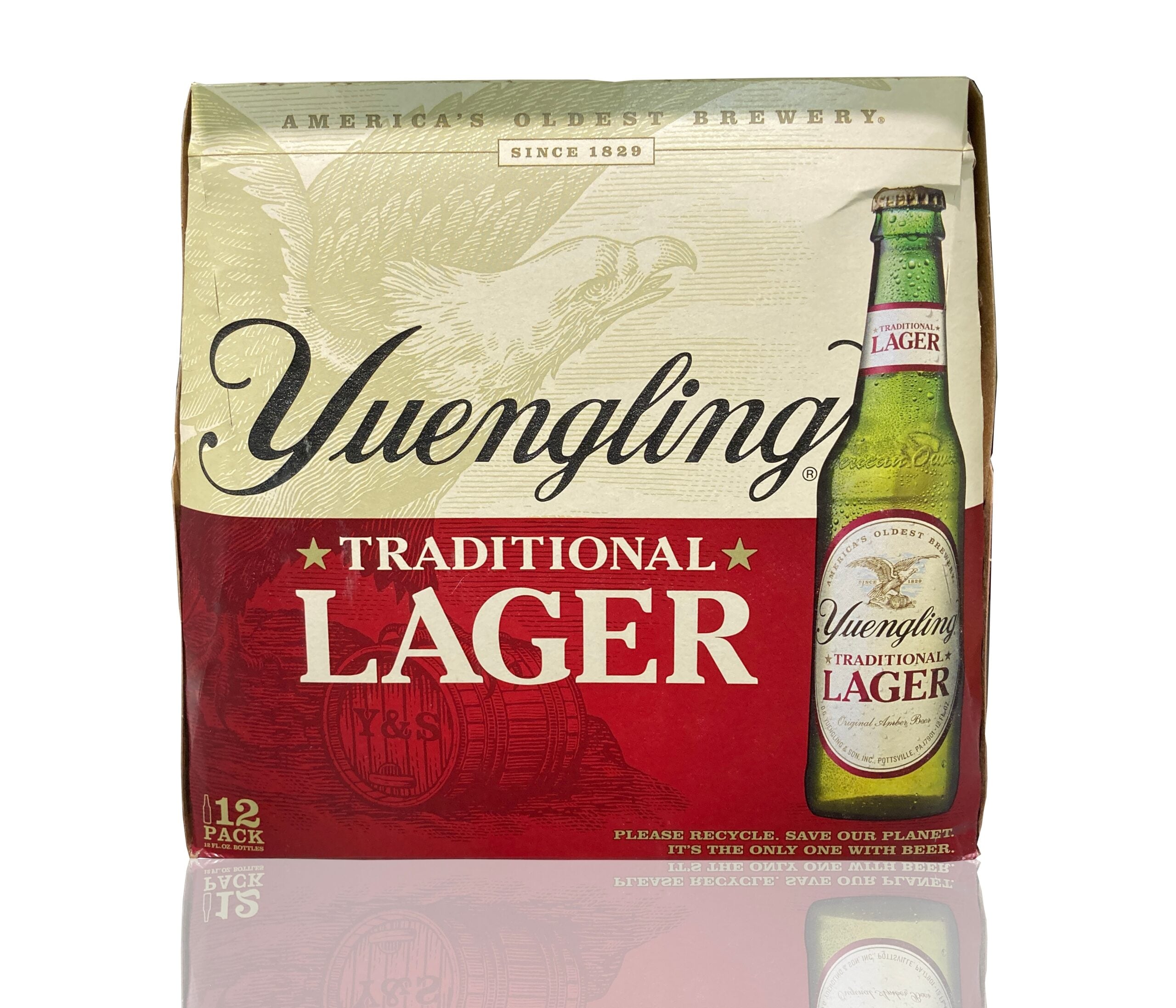
D.G. Yuengling & Son, founded in 1829, is the oldest brewery still operating in the United States. Based in Pottsville, Pennsylvania, it is a family-owned business that has passed ownership through generations, with each taking over by purchasing the company. By 2018, Yuengling was the largest craft brewery in the U.S. by sales volume, the sixth largest brewery overall, and the biggest entirely American-owned brewery. The name “Yuengling” comes from the German word “Jüngling,” meaning “young person,” which was also the founder’s last name. Known for its flagship product, Yuengling Traditional Lager, this amber lager features a rich color, medium body, and a balanced flavor with notes of caramel malt and a mix of cluster and cascade hops.
Yukon Jack

Yukon Jack is a liqueur made from Canadian whisky and honey, giving it a strong yet sweet flavor with hints of fruit. While some people love its bold taste, others compare it to drinking gasoline because of its fiery kick. Definitely a drink that divides opinions! The exact origins of Yukon Jack are unclear, but it was being advertised in Maryland as early as 1946 and later imported by Heublein Inc. in the 1970s. Now owned by the Sazerac Company, Yukon Jack has even been chosen as the official liqueur for special events and ceremonies by the South Alberta Light Horse and 19th Alberta Dragoons. Love it or hate it, there’s no denying its unique strength and sweetness thanks to the honey base.
Yule Nog
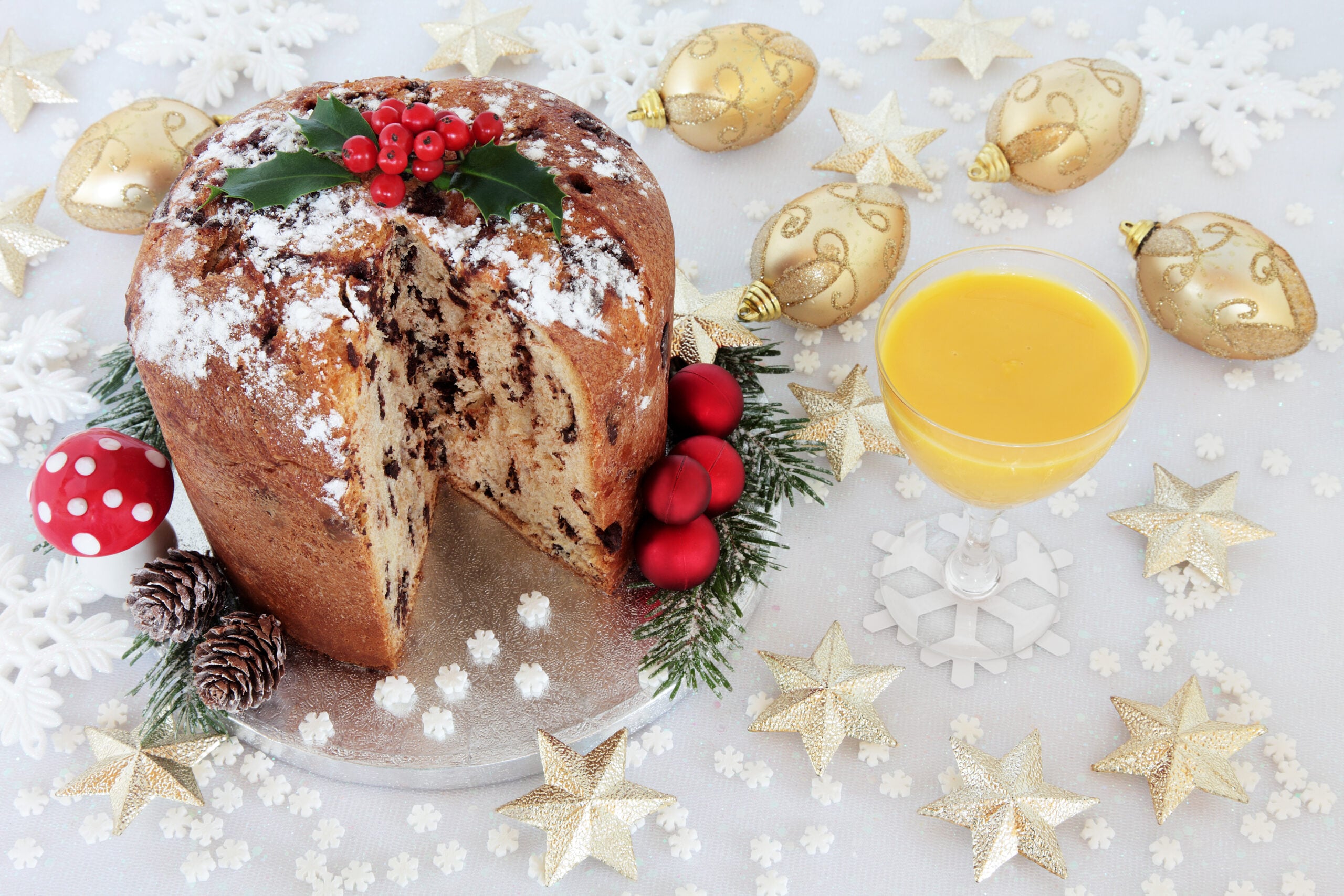
The Yule Nog is a festive take on the classic eggnog cocktail, combining the cozy warmth of bourbon with the sweet, buttery flavor of butterscotch schnapps. Eggnog itself has a long history, believed to have evolved from a medieval British drink called “posset,” and later becoming popular in the American colonies where dairy and rum were easy to find. This twist adds a rich, indulgent edge to the traditional holiday favorite, making it a perfect addition to today’s festive celebrations. With its creamy texture and smooth, custard-like base, the Yule Nog blends sweet and spicy flavors beautifully. The bourbon gives it a bold, oaky depth, while the butterscotch schnapps adds a luxurious sweetness. A sprinkle of nutmeg ties it all together with a classic holiday aroma and taste.
Non-Alcoholic Drinks
Yagé
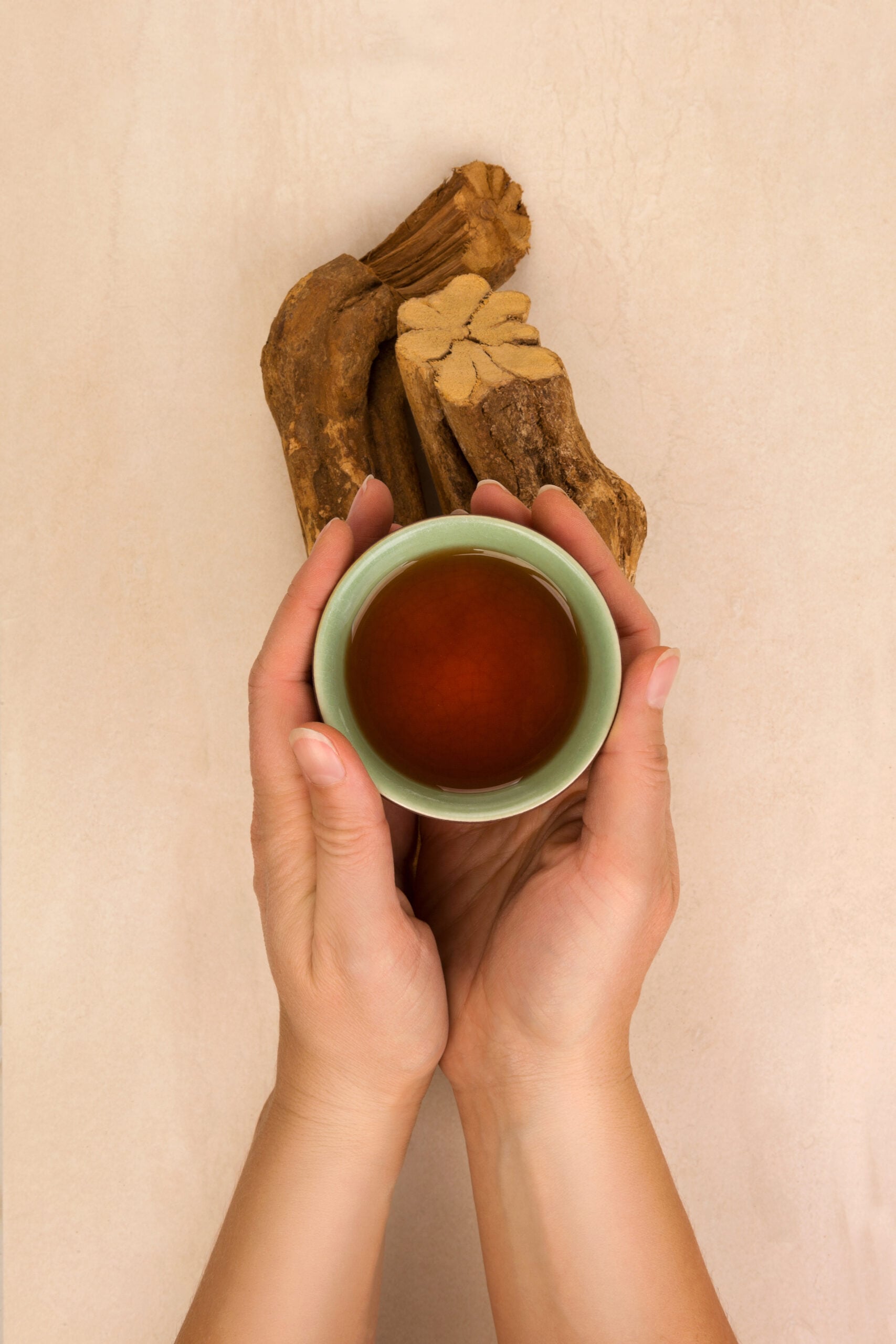
Yagé, also known as Ayahuasca in many regions, is a powerful plant medicine with deep roots in indigenous traditions. For centuries, it has been used for spiritual healing, personal growth, and connecting with nature. If you’ve traveled through Colombia or researched Ayahuasca in South America, you’ve likely come across the term “Yagé.” Both names refer to the same plant-based brew, which has a reddish-brown color and a strong, earthy taste and smell often described as salty, sour, bitter, or woody. The effects of Yagé can vary depending on how it’s prepared, but it’s widely known for its ability to induce intense, visionary experiences that are central to its healing and transformative purposes.
Yak Milk

The yak, a unique species native to the Qinghai-Tibet Plateau and nearby regions, produces milk that stands out from regular cow milk due to its distinctive habitat. Yak milk is packed with nutrients, has a better amino acid profile, higher levels of unsaturated fatty acids, and is rich in minerals. It also contains beneficial microorganisms that boost its functional value. Popular in the Himalayan region and beyond, yak milk is loved for its creamy texture and unique flavor, often compared to a mix of cow and goat milk but slightly sweeter. Its rich, slightly earthy taste may include nutty or caramel-like undertones, and its high fat and protein content give it a smooth, velvety texture that makes it a favorite for those who try it.
Yakult
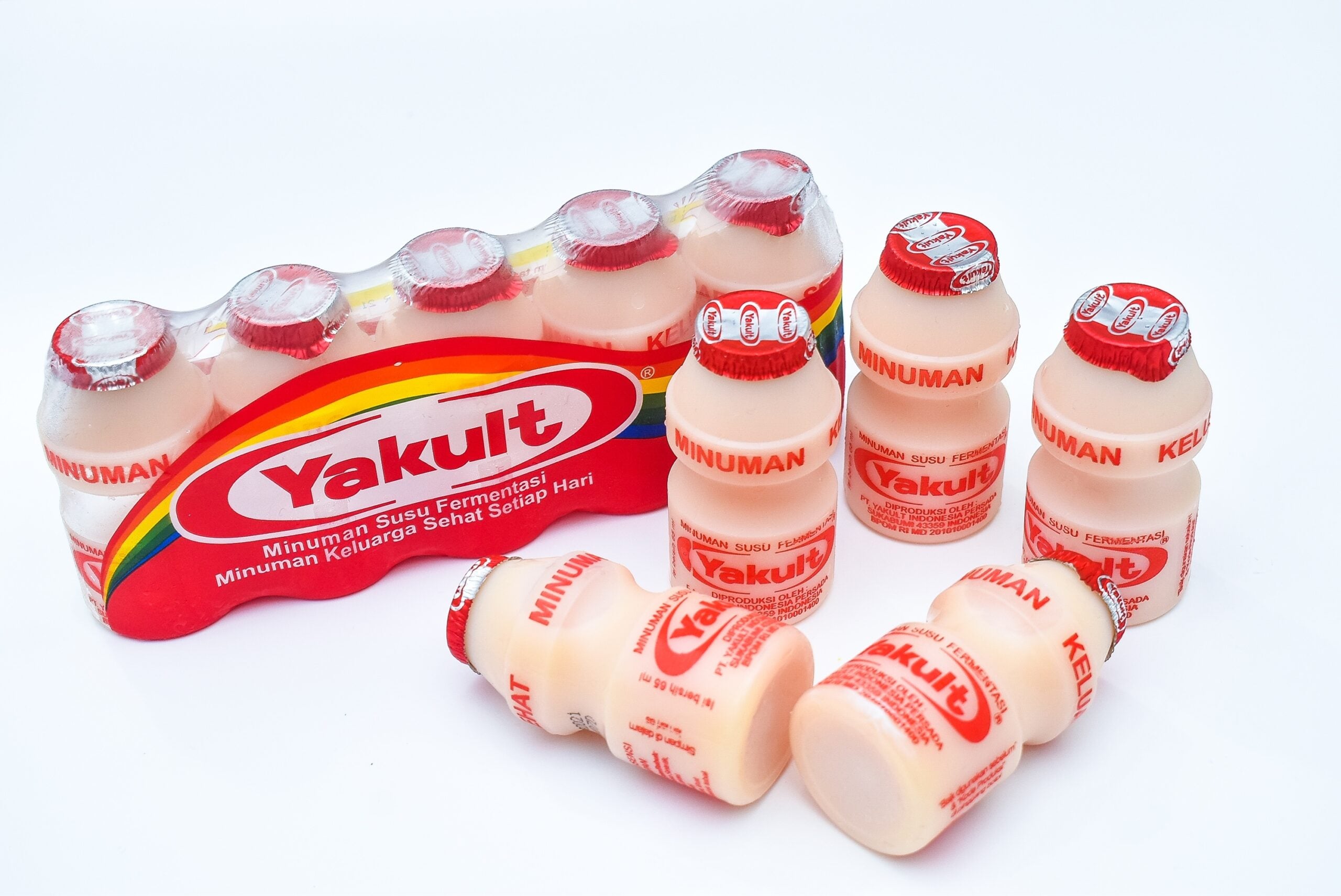
Yakult is a sweet, probiotic milk drink from Japan that’s made using the bacteria strain Lacticaseibacillus casei Shirota. Produced by Yakult Honsha, a company based in Tokyo, the name “Yakult” comes from “jahurto,” an Esperanto word for “yogurt.” The drink is created by mixing glucose with skimmed milk, heating it to 194–203°F for about 30 minutes, cooling it to 113°F, and then adding the bacteria. The mixture ferments for 6–7 days at 98.6–100.4°F before water, sugar, gums, and lactic acid are added. Yakult has a slightly thick, creamy consistency with a sweet, tangy, and refreshing flavor that includes hints of citrus. Often described as a mix between yogurt and citrus juice, its mild acidic aftertaste and unique taste can be an acquired preference for some, but many enjoy its pleasant, refreshing qualities.
Yamecha
Yame-cha, or Yame Tea, is a well-known tea brand from the Yame area in southern Fukuoka Prefecture, Japan. It’s the sixth largest tea brand in the country, with most of it grown in Yame City and nearby areas like Chikugo City, Hirokawa-machi, Ukiha City, and Asakura City. The Chikushino Plain in southern Fukuoka provides the perfect environment for growing high-quality tea, thanks to its annual rainfall and the big temperature differences between day and night. These conditions help produce tea that’s both sweet and flavorful. Morning mist and fog often cover the fields, shielding the tea leaves from harsh sunlight, which allows the tea to retain more theanine, glutamic acid, and arginine, compounds that give Yame Tea its rich taste. The young tea leaves are deeply steamed using a process called fukamushi, resulting in a green, sweet, and flavorful tea when brewed.
Yerba Mate

Yerba mate (Ilex paraguariensis) is a plant from the holly family that originates in South America. Named by French botanist Augustin Saint-Hilaire, its leaves are steeped in hot water to create a caffeinated drink called mate, or brewed cold to make tereré. The flavor is often described as a mix of vegetables, herbs, and grass, similar to certain types of green tea. While some enjoy its unique taste, it can be quite bitter when prepared with hot water. To make it more enjoyable, sweetened or flavored versions are available, often blended with herbs like peppermint or citrus peel.
Yerbae
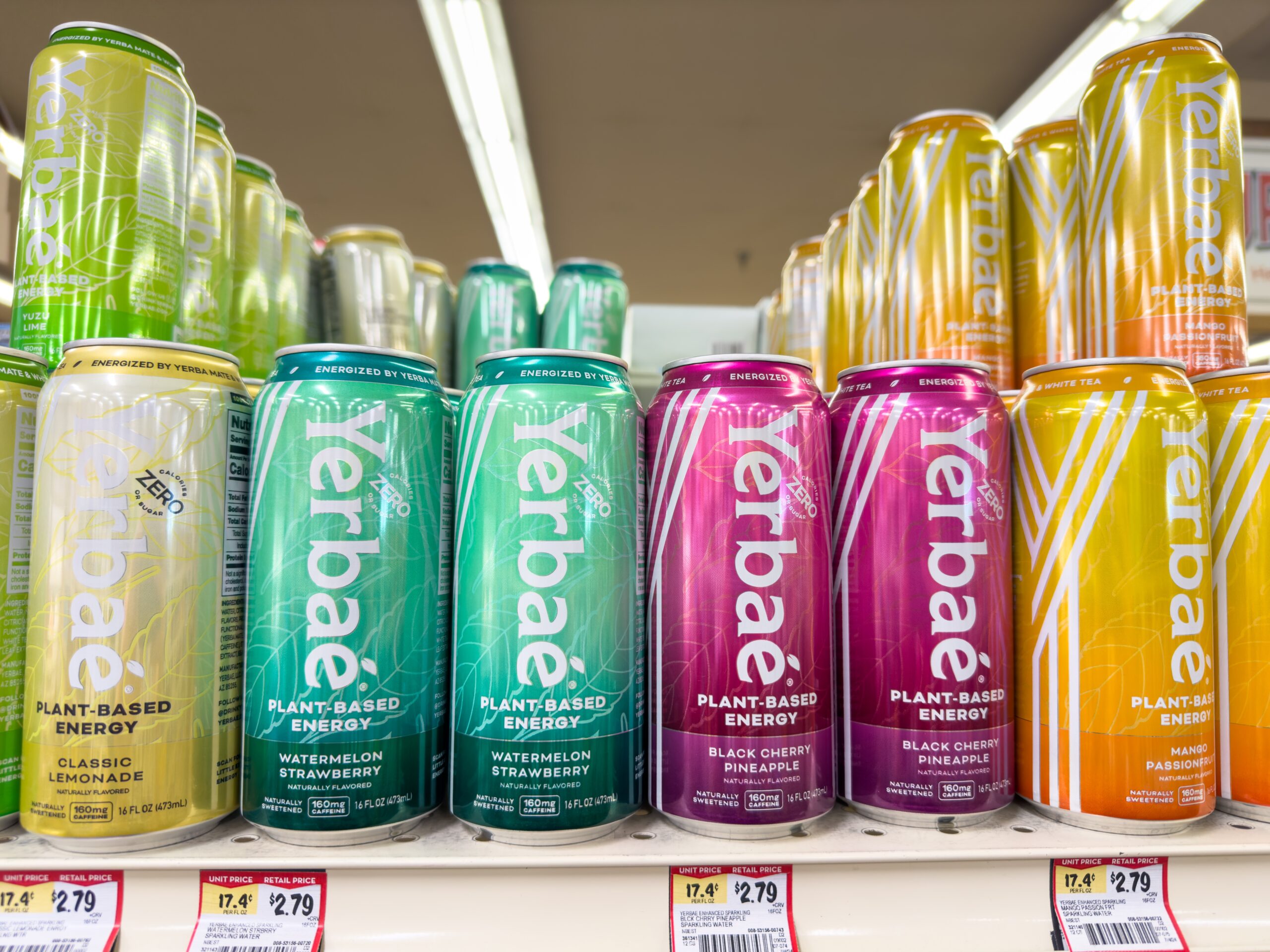
In 2017, Todd and Karrie Gibson discovered the incredible benefits of yerba mate, a South American herb known as one of nature’s purest caffeine sources. They combined its natural energy-boosting properties with sparkling water and real, plant-based flavors to create Yerbaé—a refreshing, great-tasting drink packed with clean energy. Unlike sugary, artificial energy drinks that leave you crashing, Yerbaé delivers smooth, long-lasting energy to keep you going all day. With only 8 simple, natural ingredients, every Yerbaé product is non-GMO, vegan, kosher, paleo-friendly, and gluten-free. Say goodbye to sugar, calories, and synthetic additives, and enjoy a clean, functional energy drink that fits perfectly into your lifestyle.
Yoghurt Drink
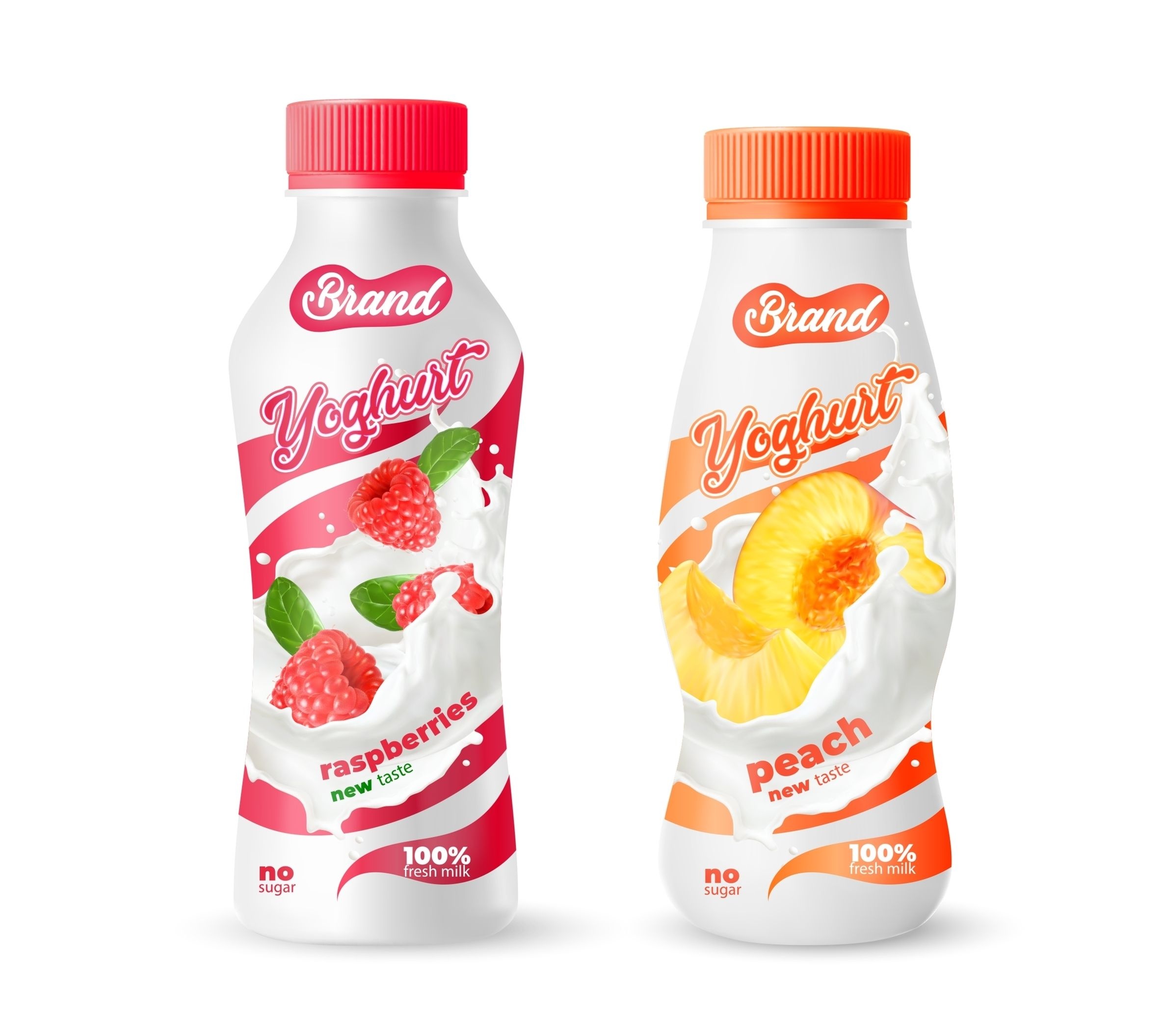
Yogurt is made by fermenting milk with live bacterial cultures called probiotics, which turn the milk sugar (lactose) into lactic acid. This process gives yogurt its tangy taste and thick consistency. It’s a versatile food that can be eaten plain, added to recipes, or used in smoothies and dips. Drinkable yogurt, also called yogurt drinks or smoothies, is a liquid version of traditional yogurt. It’s usually made by mixing yogurt with fruits, juice, or other flavors to create a refreshing, smooth beverage. While it’s thinner than regular yogurt, drinkable yogurt often has added sugar to enhance its taste.
Young Coconut Water
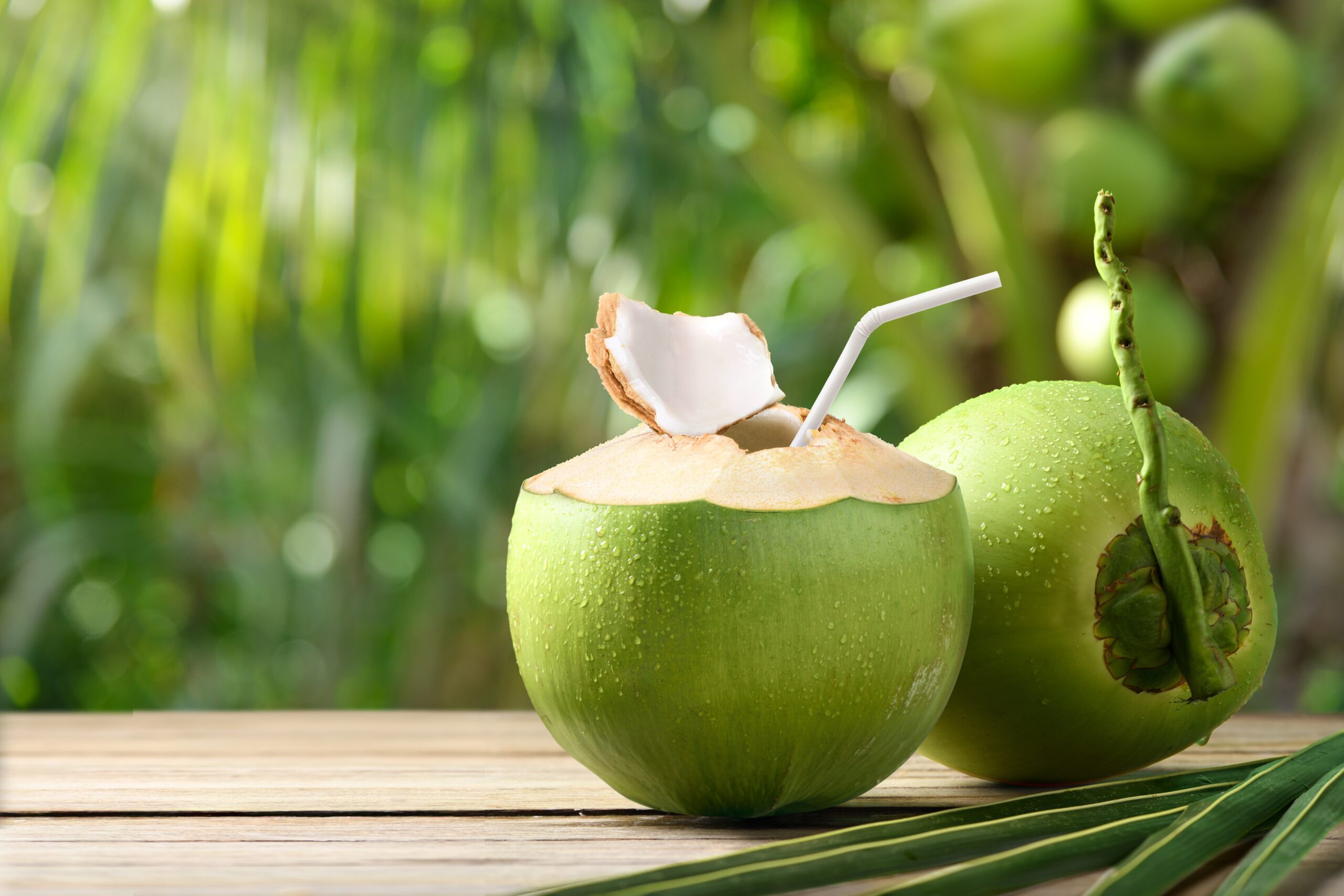
Coconut water, the clear liquid found inside young green coconuts, is a nutrient-packed drink popular in tropical regions. It’s loaded with vitamins, minerals, amino acids, antioxidants, enzymes, and electrolytes like calcium, magnesium, and potassium, making it a refreshing and healthy choice. However, not all coconut water is the same, as the taste and benefits change depending on the coconut’s age. Young coconuts, harvested at 3-5 months, have a bright green color and produce water with a lighter, less sweet flavor and lower sugar content, often called “green coconut water.” At 6-8 months, coconuts are ripened, and their water becomes sweeter with a stronger coconut taste, which is commonly found in stores. By the time a coconut matures at 10-12 months, most of the water is gone, and what little remains is sour and less flavorful since the nutrients are used up by the fruit.
Yumberry Juice
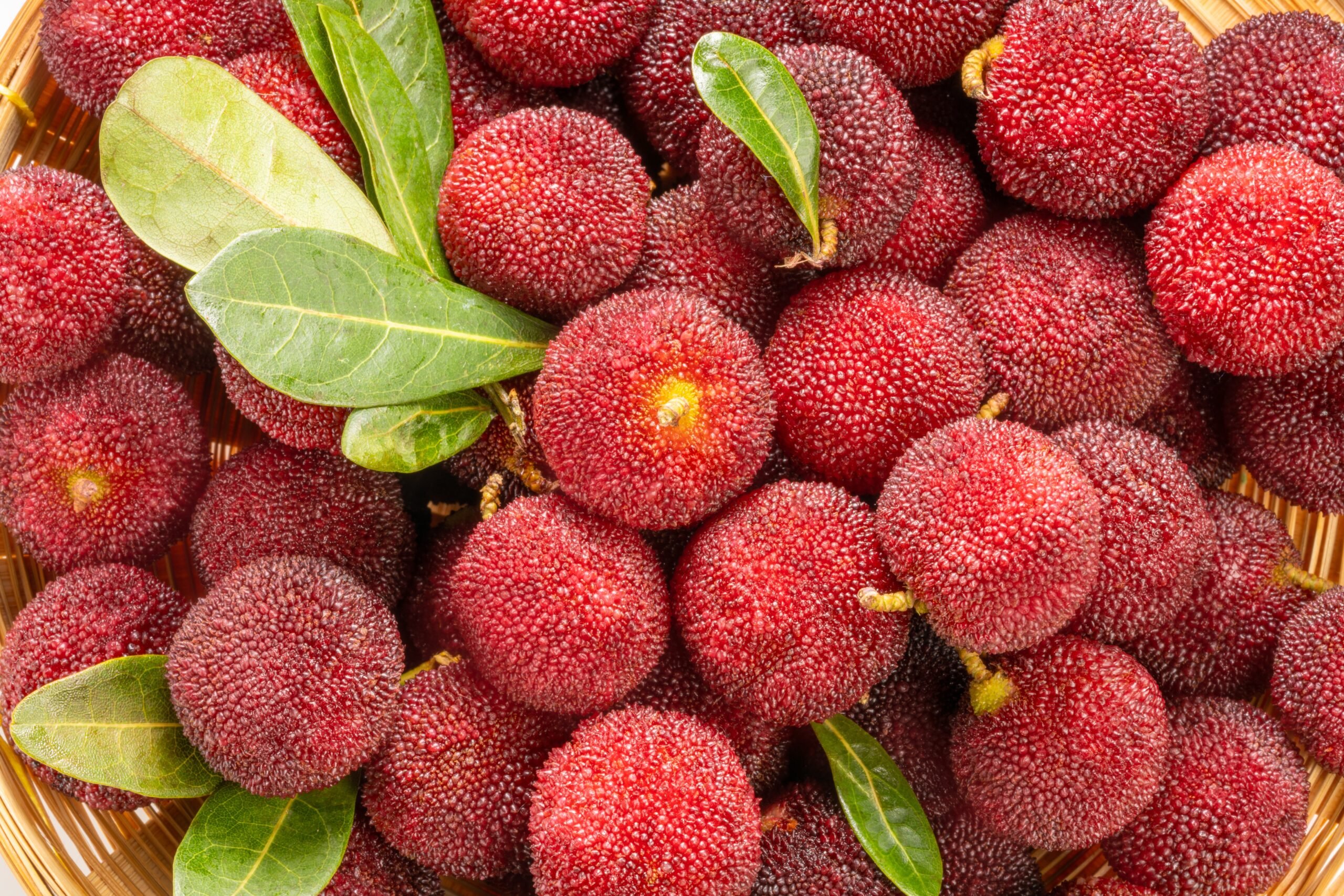
Myrica rubra, commonly known as yangmei, Chinese bayberry, red bayberry, yumberry, waxberry, or Chinese strawberry, is a subtropical tree cultivated for its unique fruit. The name is sometimes mistranslated from Chinese as arbutus. The fruit can be enjoyed fresh or processed in various ways, including drying, canning, soaking in baijiu (a traditional Chinese liquor), or fermenting into beverages like wine, beer, and cocktails. Its juice is marketed under the brand name “Yumberry,” which is trademarked in the EU. The flavor is unlike any commonly found fruit in the United States—neither plum, pomegranate, nor raspberry. It strikes a balance between sweet and tangy, offering a one-of-a-kind taste that lives up to its “yummy” reputation.
Yuzu Juice
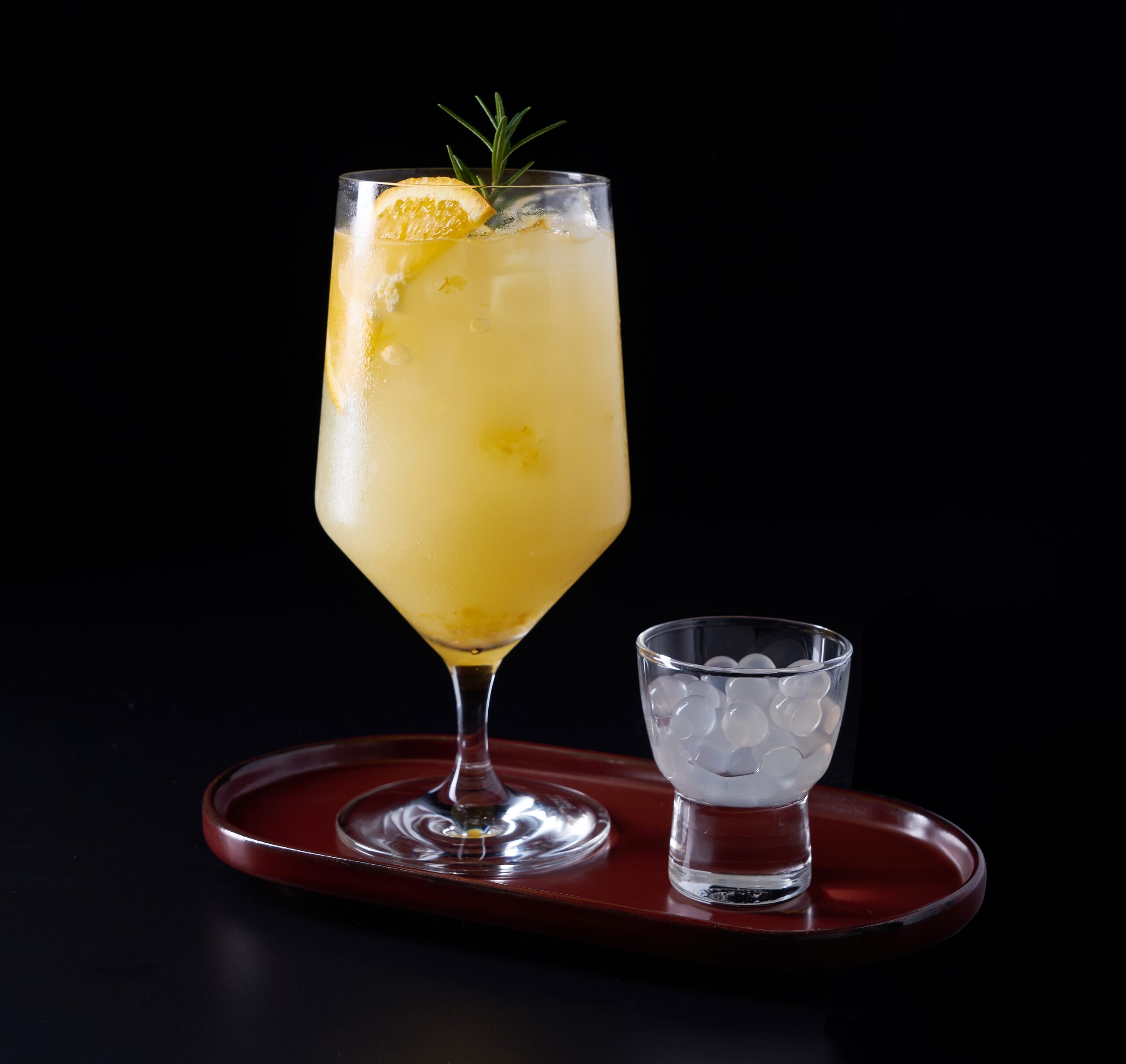
Yuzu, a citrus fruit with a history spanning over 1,000 years, is becoming more popular in the U.S., often showing up in cocktails, desserts, marmalades, and liquors. Its flavor is bright and refreshing, with a tartness that’s often compared to grapefruit but with hints of mandarin orange, lime, and lemon. This layered, unique taste is what makes yuzu stand out. You might find yuzu juice in grocery stores, but it’s important to check the label before buying. Many products contain added sugar to balance the fruit’s natural sourness, so for the best taste and health benefits, look for 100% pure yuzu juice without additives.
Yuzu Tea

Yuzu tea is a deliciously refreshing drink with a unique balance of sweet and tart flavors, often described as more complex than other citrus teas. Its fragrant aroma and soothing taste make it perfect for enjoying either hot or cold, and it’s often appreciated for its relaxing and therapeutic qualities. To make yuzu tea for four, you’ll need 2-3 fresh yuzu fruits, 4 cups of water, and optional honey or sugar for sweetness. Start by rinsing the yuzu and slicing them into thin rounds, removing the seeds. Boil the water in a pot, then add the yuzu slices and let them simmer for 10-15 minutes until the fruit softens and releases its juice. Once done, remove the pot from heat and let it cool slightly before straining the liquid to remove any pulp or seeds. If you like, stir in honey or sugar until dissolved. Serve your yuzu tea warm or chilled, and garnish with extra yuzu slices or fresh mint for an added touch.
More Foods/Drinks!
Yellow foods listed with pictures, facts
Yellow drinks listed with pictures, facts
100 foods that start with the letter A
100 foods that start with the letter B
100 foods that start with the letter C
3-letter foods listed with pictures and facts
4-letter foods listed with pictures and facts
5-letter foods listed with pictures and facts6-letter foods listed with pictures and facts
Links on this page may be affiliate links, for which the site earns a small commission, but the price for you is the same


Leave a Comment