
Iron is an essential mineral we all need but might not think about often enough. It plays a key role in transporting oxygen in our blood and helps with energy production. Without enough iron, we can end up feeling tired and run down, and in more severe cases, it can lead to anemia.
So, how can we make sure we’re getting enough iron? The best way is to make sure you include plenty of iron-rich foods in your diet.
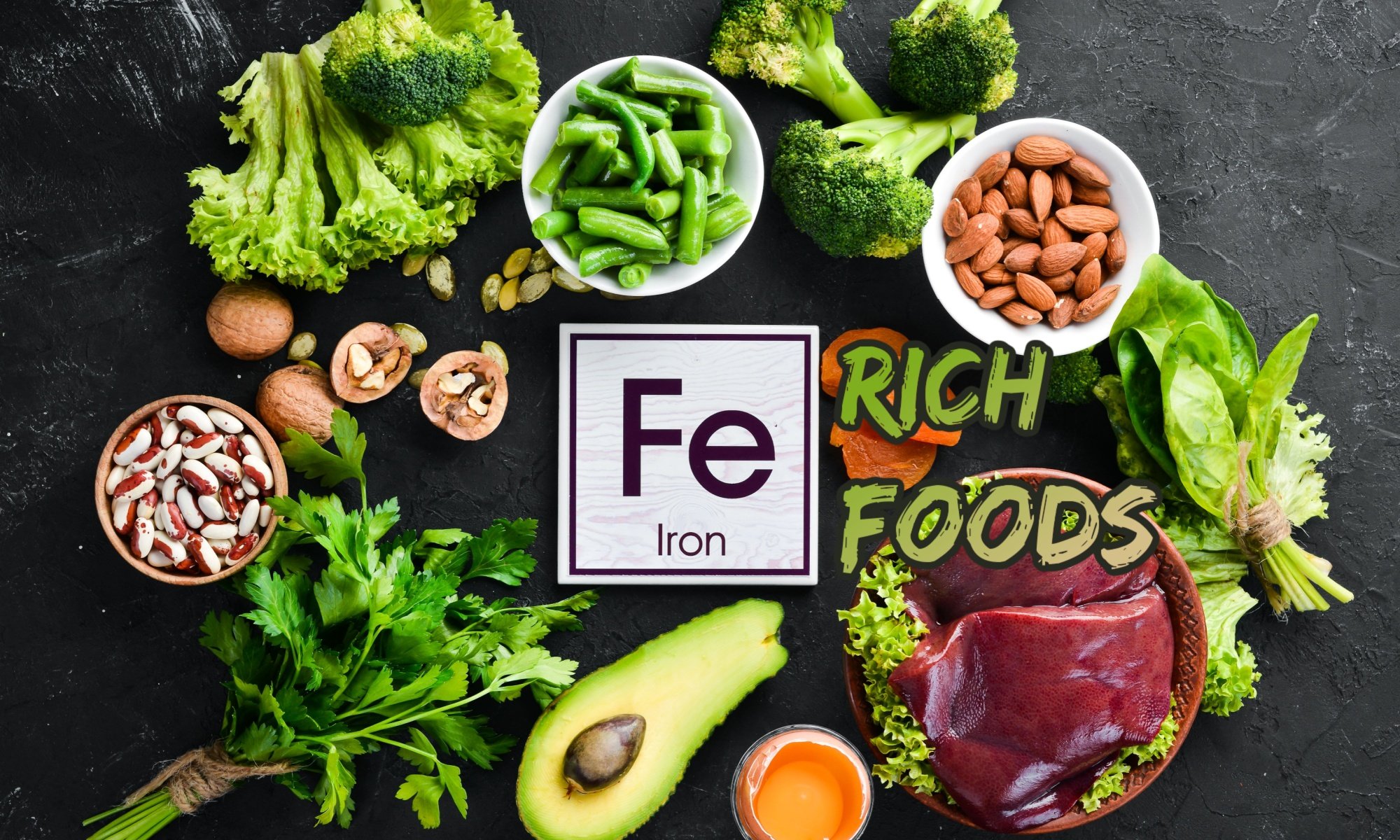
Here’s how this article is organized to help you to identify the most iron-rich foods:
- The Top 10 iron-rich foods
- A quick cheat sheet
- Detailed iron counts for all the foods in the cheat sheet
Top 10 Iron-Rich Foods
- Fortified breakfast cereal (16.2 mg of iron per ½ cup)*
- Beef liver: 15.2 mg per 3 ounces
- Fortified hot wheat cereal (12.8 mg of iron per 1 cup)
- Oysters (6.9 mg of iron per 3 oysters)
- Spinach, cooked (6.4 mg of iron per 1 cup)
- Mussels (5.7 mg of iron per 3 ounces)
- Beef kidney: 5.2 mg per 4 ounces
- Artichokes, cooked (5.1 mg of iron per 1 cup)
- Beef heart: 4.9 mg per 4 ounces
- Soybeans, cooked (4.4 mg of iron per ½ cup)
*We’re not sure exactly which cereal(s) the USDA and HHS are talking about in their Dietary Guidelines for Americans. But a couple cereals that have high iron with a larger normal serving size are General Mills’ Total at 18 mg per cup and Post’s Honey Bunches of Oats at 16.2mg per cup. Note that both the cereal options in the top 10 are fortified sources of iron vs. the iron occurring naturally in the food. Also, animal-based iron is more easily absorbed than plant-based iron.
Iron-Rich Foods Cheat Sheet
The foods highest in iron are red meat, organ meats, seafood, fortified cereals, whole grains, legumes, and spinach.
| Category | Foods |
| Animal-Based Sources | Red Meat: Beef, lamb, game meats, ham |
| Poultry: Duck, turkey, chicken, eggs | |
| Seafood: Oysters, mussels, sardines, crab, clams, shrimp, tuna | |
| Organ Meats: Liver, kidneys, heart (preferably beef) | |
| Plant-Based Sources | Legumes: Soybeans, tofu, lentils, peas, beans (lima, white, chickpeas, navy, kidney) |
| Grains: Fortified breakfast cereals, quinoa, brown rice, egg noodles | |
| Nuts and Seeds: Almonds, cashews, hemp seeds, sesame seeds, pumpkin seeds | |
| Vegetables: Spinach, artichokes, swiss chard, stewed tomatoes, asparagus, beets, mushrooms, collard greens, potatoes | |
| Fruits: Raw coconut milk, 100% prune juice, mulberries, dried apricots | |
| Other | Dark chocolate, molasses |
Types of Iron
There are two main types of iron:
Heme Iron
Heme iron comes from animal-based foods and is more easily absorbed by our bodies. Think red meats, poultry, seafood, and organ meats. This type of iron is efficient, making it a great source if you include these foods in your diet.
Non-Heme Iron
Non-heme iron is found in plant-based foods. Although it doesn’t absorb as easily as heme iron, it’s still an important part of a balanced diet. Legumes, nuts, seeds, vegetables, and fortified cereals are all good sources.
Top Animal-Based Iron-Rich Foods
If you’re a meat eater, you’re in luck! Animal-based foods tend to have more easily absorbable iron.
Red meat
- Beef: 2.5 mg per 3 ounces
- Lamb: 2 mg per 3 ounces
- Game meats (various): 1.8-8.5 mg per 3 ounces
- Ham: 1.3 mg per 3 ounces
Poultry
- Duck breast 3.8 mg per 3 ounces
- Turkey egg 3.2 mg per 1 egg)
- Duck egg: 2.7 mg per 1 egg
- Turkey (brown meat): 2 mg per 3 ounces
- Chicken: 1.8 mg per 1 cup, chopped or diced
- Eggs: 1.2 mg per 2 large eggs
Seafood
- Oysters: 6.9 mg per 3 oysters
- Mussels: 5.7 mg per 3 ounces
- Sardines, canned: 2.5 mg per 3 ounces
- Crab: 2.5 mg per 3 ounces
- Clams: 2.4 mg per 3 ounces
- Shrimp: 1.8 mg per 3 ounces
- Tuna: 1.4 mg per 3 ounces
Organ meats
- Beef liver: 15.2 mg per 3 ounces
- Beef kidney: 5.2 mg per 4 ounces
- Beef heart: 4.9 mg per 4 ounces
Top Plant-Based Iron-Rich Foods
For those who prefer plant-based options, there’s plenty to choose from too!
Grains
- Breakfast cereals (fortified): Varies, typically 8.4-16.2 mg per ½ cup – 1 cup
- Hot wheat cereal (fortified): 12.8 mg per 1 cup
- Quinoa: 2.8 mg per 1 cup
- Egg noodles, cooked: 2.4 mg per 1 cup
- Brown rice, cooked: 0.8 mg per 1 cup
Legumes
- Soybeans, cooked: 4.4 mg per ½ cup
- Tofu: 3.4 mg per ¼ block
- Lima beans, cooked : 4.2 mg per 1 cup
- Lentils, cooked: 3.3 mg per 1/2 cup
- White beans, cooked: 3.3 mg per ½ cup
- Green peas, cooked: 2.5 mg per 1 cup
- Chickpeas (garbanzo beans), cooked: 2.4 mg per ½ cup
- Navy beans, cooked: 2.2 mg per ½ cup
- Kidney beans, cooked: 2 mg per ½ cup
Nuts and Seeds
- Hemp seeds: 2.4 mg per 3 tablespoons
- Sesame seeds: 2.1 mg per ½ ounce
- Almonds: 1.1 mg per 1 ounce
- Cashews: 1.0 mg per 1 ounce
- Pumpkin seeds: 0.9 mg per 1 ounce
Vegetables
- Spinach: 6.4 mg per 1 cup
- Artichokes, cooked: 5.1 mg per 1 cup
- Swiss chard, cooked: 4 mg per 1 cup
- Stewed tomatoes, canned: 3.4 mg per 1 cup
- Asparagus, raw: 2.9 mg per 1 cup
- Beets, cooked: 2.9 mg per 1 cup
- Mushrooms, cooked: 2.7 mg per 1 cup
- Collard greens, cooked: 2.2 mg per 1 cup
- Potato, baked, with skin: 1.9 mg per 1 medium potato
Fruits
- Coconut milk, raw (from grated coconut meat and water): 3.8 mg per 1 cup
- 100% prune juice: 3 mg per 1 cup
- Mulberries: 2.6 mg per 1 cup
- Apricots, dried: 3.5 mg per 1 cup
Other
- Dark chocolate: 2.3 mg per 1 ounce
- Molasses: 0.9 mg per 1 tablespoon
*These values can vary slightly based on preparation methods and specific product varieties.
Sources:
Tips for enhancing iron absorption
- Pair with Vitamin C: Eating foods rich in vitamin C (like citrus fruits, bell peppers, and strawberries) can help your body absorb non-heme iron better.
- Avoid Calcium-Rich Foods: Calcium can interfere with iron absorption, so try not to eat high-calcium foods or take supplements with your iron-rich meals.
- Limit Coffee and Tea: These drinks contain compounds that can reduce iron absorption, so it’s best to enjoy them between meals.
- Cook in Cast Iron: Using a cast iron skillet or an iron fish can add a bit more iron to your food.
- Remember, it’s always a good idea to talk to a healthcare provider for personalized advice about your diet and iron intake.
Iron-rich recipes
- Spicy sprouted lentil soup
- Spinach artichoke dip
- Coconut berry smoothie (with spinach)
- Ham and egg cups
- Creamy coconut ginger shrimp
FAQs
The Dietary Guidelines for Americans indicate that iron-fortified, whole grain cereals are the richest in iron, providing approximately 16.2 mg per standard serving.
Consuming iron-rich foods paired with vitamin C can quickly boost iron levels. Sometimes, supplements are necessary, but it’s best to check with a healthcare provider first.
Dried fruits like apricots, prunes, and dates are high in iron.
Eggs contain about 1.2 mg of iron per large egg, making them a moderate source of iron.


Leave a Comment