
Imagine being able to get rid of all of your kitchen waste. Wouldn’t that be amazing?
While that’s probably not a reality for most of us, we do have some good news for you. There are certain food scraps – namely, watermelon rinds – that can be transformed into delicious recipes that are less leftover and more main course.
Pickled watermelon rind is a lesser-known delicacy that elevates the humble scraps of summer’s favorite fruit into an irresistible pickle. It offers the perfect blend of tang, sweetness, and crunch.
Whether you’re looking to impress yourr guests, add a unique twist to your meals, or simply want to live a more sustainable lifestyle, pickled watermelon rind is the recipe you need to know about.

Why Make Pickled Watermelon Rind?
Pickling watermelon rind is an excellent way to repurpose a part of the fruit that is often discarded. Instead of throwing away the rind, pickling transforms it into a delicious and sustainable treat.
Not only that, but it has a sweet, tangy, and slightly crunchy texture that adds a burst of flavor to meals. The combination of sweetness from the rind and the tanginess from the pickling brine creates a delightful taste experience.
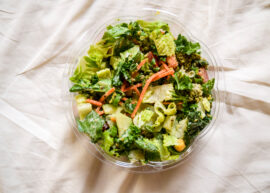
Pickled watermelon rind can be used in a variety of dishes, from salads and sandwiches to charcuterie boards and cocktails (not to mention the fact that it’s great for snacking on its own). Its versatility allows for creative culinary experimentation and adds a distinct twist to traditional recipes.
It also has a long shelf life when properly sealed and stored, making it a convenient option for preserving excess watermelon rind or enjoying a tasty snack over an extended period.
How to Make Watermelon Rind Pickles
Convinced you’re ready to start making pickled watermelon rind for yourself?
Here’s a guide on how to do it. Note – the recipe is for pints and requires the use of a water bath canner, but if you’d rather just quick pickle these watermelon rind pickles, that’s fine too. Instead of moving on to the canning steps, just put the jars in the refrigerator.
Ingredients
- 6 lbs watermelon rind
- ¾ cup pickling salt
- 2 quarts ice cubes (about 2 trays)
- 3 quarts water
- 9 cups white sugar
- 1 tbsp whole cloves
- 3 cups 5% white vinegar
- 6 cinnamon sticks, cut into 1″ pieces
- 1 lemon, thinly sliced
Instructions
- Prep the Rind: Cut the pink flesh and the outer green skin away from the watermelon rind. What you want is the white part. Cut that into one-inch squares or any other shapes you like.
- Brining: Mix the pickling salt with three quarts of cold water to make a brine. Add in your rind pieces and the ice cubes. Let it all sit for three to four hours.
- Cooking the Rind: Wash off the saltwater and then cover the rind with fresh cold water. Cook them till they’re fork tender, which should take about ten minutes. Remember, don’t overcook them.
- Make the Syrup: Take a big pot and mix sugar, vinegar, water, and your spices. Put the spices in a clean white cloth and tie it up before putting it in the pot. Boil this for five minutes then pour it over the rind pieces. Add the lemon slices and leave it overnight in the fridge.
- Canning: The next day, heat up your rind and syrup until it boils, then simmer for an hour. Put your pickles into clean jars, add a cinnamon stick to each, and cover with the hot syrup. Leave about ½ inch space at the top. Put the lids and bands on the jars, then tighten to fingertip tight.
- Processing: Use a boiling-water canner for processing your jars. For pints, you’ll process for 10 minutes, adjusting for altitude as needed.How Can You Serve Pickled Watermelon Rind?
A Few More Tips for Making Pickled Watermelon Rind
When it comes to making pickled watermelon rind, the devil’s in the details. Here are a few more tips for the perfect concoction:
Select the Right Rind
Choose watermelons with thick, firm rinds for pickling. Make sure the rind is free from any blemishes or soft spots, as these can affect the final texture and flavor of the pickles.
One of the most common canning mistakes, after all, is in using low-quality ingredients that affect the ultimate outcome of the dish – avoid this at all costs!
Wash and Clean the Rind Thoroughly
Thoroughly wash the watermelon rind to remove any dirt or debris. Trim off the green outer skin and pink flesh, leaving behind the white rind, which is ideal for pickling. Cut the rind into uniform pieces for even pickling.
Maintain the Proper Balance
Pay attention to the balance of flavors in your pickling brine. A combination of vinegar, sugar, and spices like cloves, cinnamon, and peppercorns can enhance the taste of the pickled watermelon rind.
Adjust the sweetness and acidity levels to suit your preferences, but make sure you use the minimum quantities of vinegar as specified in the recipe or your finished product might not be safe for canning.
Patience is Key
Allow the watermelon rind to soak in the pickling brine for an adequate amount of time to absorb the flavors. The pickling process typically takes a few days to a week, depending on the recipe.
Sterilize Everything
Make sure all your equipment, including jars, lids, and utensils, are thoroughly sterilized before pickling. This step helps prevent contamination and extends the shelf life of your pickled watermelon rind.
Store the Finished Product Properly
Store your pickled watermelon rind in clean, airtight jars in a cool, dark place. Allow the flavors to develop over time before indulging in this delightful treat. Pickled watermelon rind pairs well with cheese platters, sandwiches, salads, or can even be enjoyed on its own as a tangy snack.
Final Thoughts
Pickled watermelon rind isn’t just a delicious snack – it’s one step closer to a more sustainable lifestyle.
If you’re ready to enjoy watermelon in a way you might not have thought of before, then hopefully, this recipe has been helpful to you.
Whether you choose to add it to your cocktails, elevate your favorite summer salad recipe, or something else entirely, give it a try today!
Links on this page may be affiliate links, for which the site earns a small commission, but the price for you is the same


Leave a Comment