

Pine needle tea is one of nature’s hidden gems — a wild, foraged brew that’s both simple and nourishing. Whether you’re sipping it for health, grounding yourself in nature, or just exploring herbal teas, this ancient remedy brings the forest right to your cup.
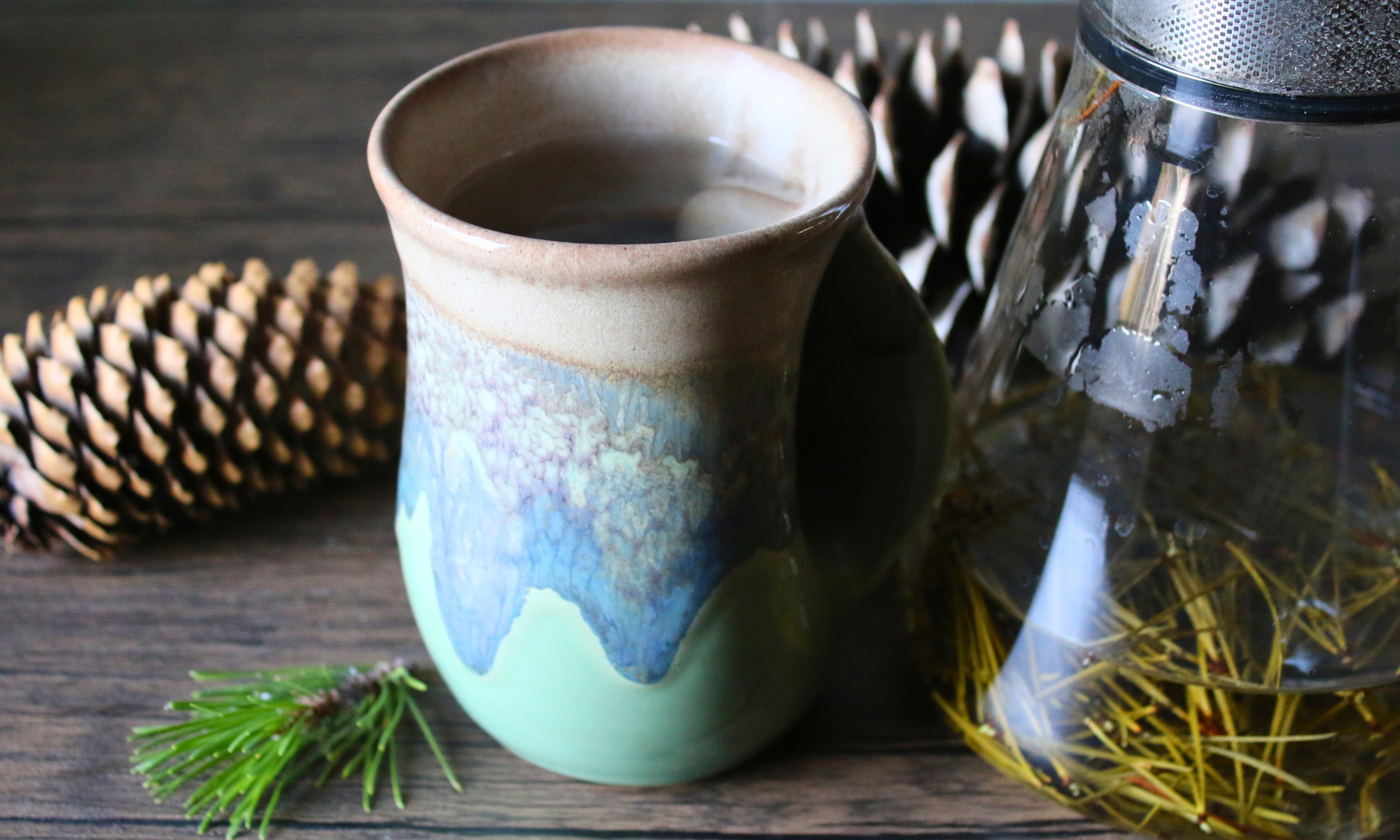
Long used by Indigenous peoples and outdoor survivalists, Pine Needle Tea is a simple herbal infusion that is more than just a rustic beverage. It’s rich in vitamin C (some species have up to 5x more than an orange), vitamin A, and antioxidants. It’s known for supporting immune health, respiratory wellness, and even boosting mental clarity.
Beyond its health benefits, pine needle tea is a calming, earthy drink that connects you to nature. It’s easy to make, requires minimal ingredients, and can be enjoyed hot or cold — making it perfect for chilly mornings or summer hikes alike.
Whether you’re looking for a natural health boost or just curious about foraging, pine needle tea is a great way to sip the forest.
How to Make Pine Needle Tea
For this recipe you will need fresh pine needles, water, and optional ingredients like honey and lemon.
Step 1: Identify a Safe Pine Tree
- Use Eastern White Pine, Ponderosa Pine, Douglas Fir, or Spruce (see FAQ for species to avoid).
- Ensure the tree hasn’t been sprayed with chemicals or grown near roads.
Step 2: Harvest the Needles
- Snip off a small handful of bright green needles from the ends of branches.
- Rinse thoroughly to remove dirt or bugs.
Step 3: Prepare the Needles
- Cut the needles into smaller pieces (about ½ to 1 inch long) to release more flavor and nutrients.
Step 4: Brew The Tea
- Bring 2–3 cups of water to just below boiling (around 170–180°F / 75–80°C). Avoid boiling, as this can destroy vitamin C.
- Add the needles to your pot, remove from heat, and let steep for 10–15 minutes.
- Alternatively, place the needles in a tea infuser or teapot and pour hot water over them.
- Strain out the needles, pour into a mug, and add honey or lemon if desired.

Frequently Asked Questions (FAQ)
Can I use any pine tree?
No. Some pine species are toxic. Avoid Ponderosa Pine, Lodgepole Pine, Yew, and Norfolk Island Pine, as they may be harmful, especially to pregnant women. Stick to Eastern White Pine or Douglas Fir. When in doubt, consult a local forager, arborist, or plant ID app.
Is pine needle tea safe during pregnancy?
No. Pine needle tea is not recommended during pregnancy, as some species may cause uterine contractions or miscarriage.
What does pine needle tea taste like?
It has a refreshing, mild, forest-like flavor — slightly citrusy and herbal. Younger needles tend to taste smoother and less bitter.
Can I dry pine needles for later use?
Yes! Dry them in a cool, dark place and store in an airtight container. Dried needles will lose some vitamin C, but still make a pleasant tea.
How often can I drink it?
1–2 cups per day is generally considered safe for most healthy adults. Always start with a small amount to test your body’s response.

FAQ
Can I use any pine tree?
No. Some pine species are toxic. Avoid Ponderosa Pine, Lodgepole Pine, Yew, and Norfolk Island Pine, as they may be harmful, especially to pregnant women. Stick to Eastern White Pine or Douglas Fir. When in doubt, consult a local forager, arborist, or plant ID app.
Is pine needle tea safe during pregnancy?
No. Pine needle tea is not recommended during pregnancy, as some species may cause uterine contractions or miscarriage.
What does pine needle tea taste like?
It has a refreshing, mild, forest-like flavor — slightly citrusy and herbal. Younger needles tend to taste smoother and less bitter.
Can I dry pine needles for later use?
Yes! Dry them in a cool, dark place and store in an airtight container. Dried needles will lose some vitamin C, but still make a pleasant tea.
How often can I drink it?
1–2 cups per day is generally considered safe for most healthy adults. Always start with a small amount to test your body’s response.
Related Recipes:
PrintPine Needle Tea Recipe
Pine needle tea is one of nature’s hidden gems — a wild, foraged brew that’s both simple and nourishing. Whether you’re sipping it for health, grounding yourself in nature, or just exploring herbal teas, this ancient remedy brings the forest right to your cup.
- Prep Time: 5 minutes
- Total Time: 5 minutes
- Yield: 2 cups 1x
Ingredients
- 1 cup of fresh, green pine needles (avoid brown or dried ones)
- 2–3 cups of water
- Optional: honey, lemon, ginger, or cinnamon
Instructions
Note: Use Eastern White Pine, Ponderosa Pine, Douglas Fir, or Spruce (see FAQ for species to avoid). Ensure the tree hasn’t been sprayed with chemicals or grown near roads.
Harvest Tips: Snip off a small handful of bright green needles from the ends of branches. Rinse thoroughly to remove dirt or bugs.
- Bring 2–3 cups of water to just below boiling (around 170–180°F / 75–80°C). Avoid boiling, as this can destroy vitamin C.
- Add the needles to your pot, remove from heat, and let steep for 10–15 minutes.
- Alternatively, place the needles in a tea infuser or teapot and pour hot water over them.
- Strain out the needles, pour into a mug, and add honey or lemon if desired.
Notes





Leave a Comment