
Since Robert F. Kennedy, Jr.’s announcement that the FDA is moving to ban food dyes by the end of 2026, the news has gotten a lot of attention. Many Americans are in favor of the decision, citing that the United States lags behind countries in Europe, where dyes have already been banned or come with warning labels.
Many US brands are pledging their support, given that the FDA is calling on food manufacturers to participate in a voluntary ban.
Follow The Coconut Mama
• For fun lists, healthy living tips, and bar conversation topics, make sure to follow The Coconut Mama. Click here to access The Coconut Mama’s profile page and be sure to hit the Follow button here or at the top of this article!
• Have feedback? Add a comment below!
Shutterstock

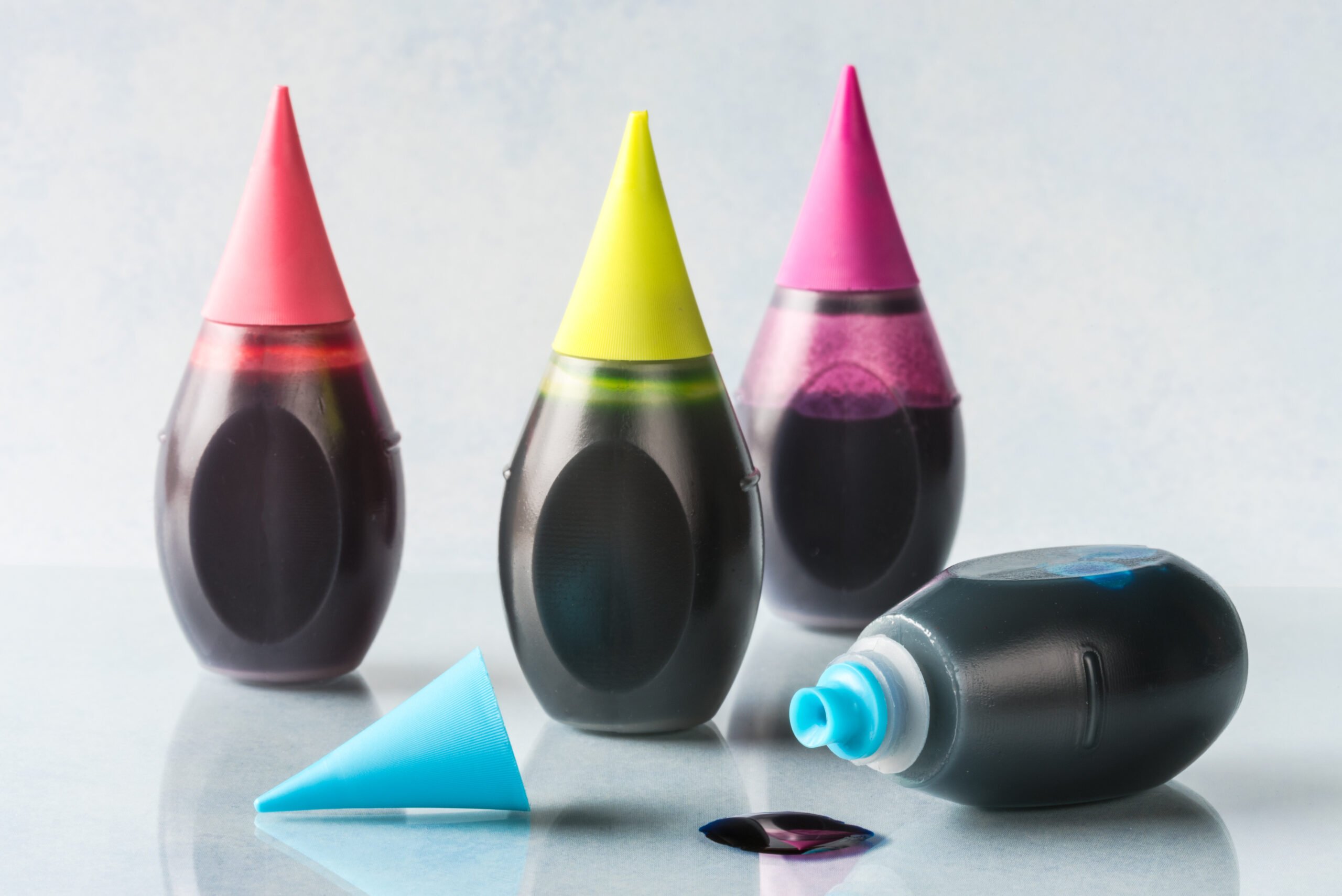
In case you haven’t heard already, these are the food dyes the FDA is encouraging food and beverage manufacturers to phase out by the end of 2026:
- Citrus Red 2
- Orange B
- Red 3
- Red 40
- Yellow 5
- Yellow 6
- Blue 1
Food dyes are added solely for visual appeal and contribute nothing else. Removing them doesn’t impact the way the food or drink tastes, nor does it impact its texture.
Shutterstock

On June 25, 2025, Nestle announced that it will remove remaining food dyes from its products by mid-2026. According to the statement, “over 90% of Nestlé USA’s current portfolio does not include synthetic colors”.
If this sounds familiar, it’s because Nestle has already made changes to remove artificial dyes in the past…
Shutterstock
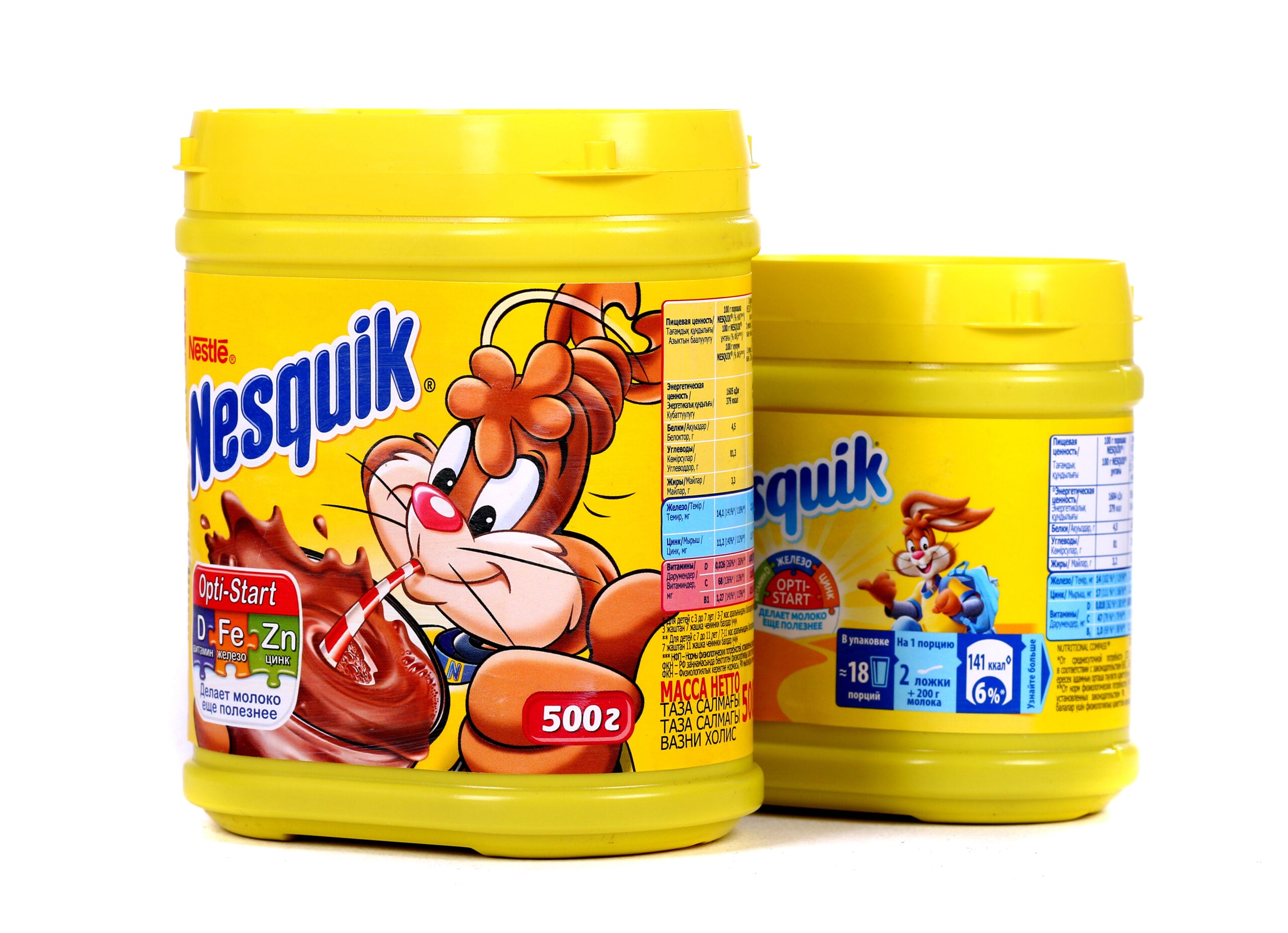
For instance, in 2015, Nestle replaced the red dye in the strawberry Nesquik powder with beet juice concentrate.
However, the Nesquik strawberry syrup still contains Red 40 and Blue 1, so there’s still work to be done.
Shutterstock

Several candies with food dyes that Nestle used to make were sold to Ferrero in 2018, so Nestle is no longer responsible for their ingredients.
Some examples of the candies that Nestle no longer makes include SweeTarts, Nerds, LaffyTaffy, and Spree. (These were under the name Wonka, which was owned by Nestle.)
Those have banned dyes, but they’re not Nestle’s problem anymore…
Shutterstock

Nestle owns many popular brands (we’ll go over those next). Some of these brands have products that still contain banned food dyes.
For example, Toll House M&M Minis Cookie Dough contains several different food dyes because of the M&Ms.
Shutterstock

Here are some brands owned by Nestle, which will be removing dyes if they haven’t already:
- Nestea
- Gerber
- Libby’s
- Stouffer’s
- Hot Pockets
- Nesquik
- Toll House
- Boost
There might be a few stragglers in terms of products with dyes, but, as Nestle stated in their announcement, the majority of their products are already free of the banned dyes.
Shutterstock
Nestle has already made changes to its recipes in favor of ditching artificial food dyes, so they have a bit of experience in this area.
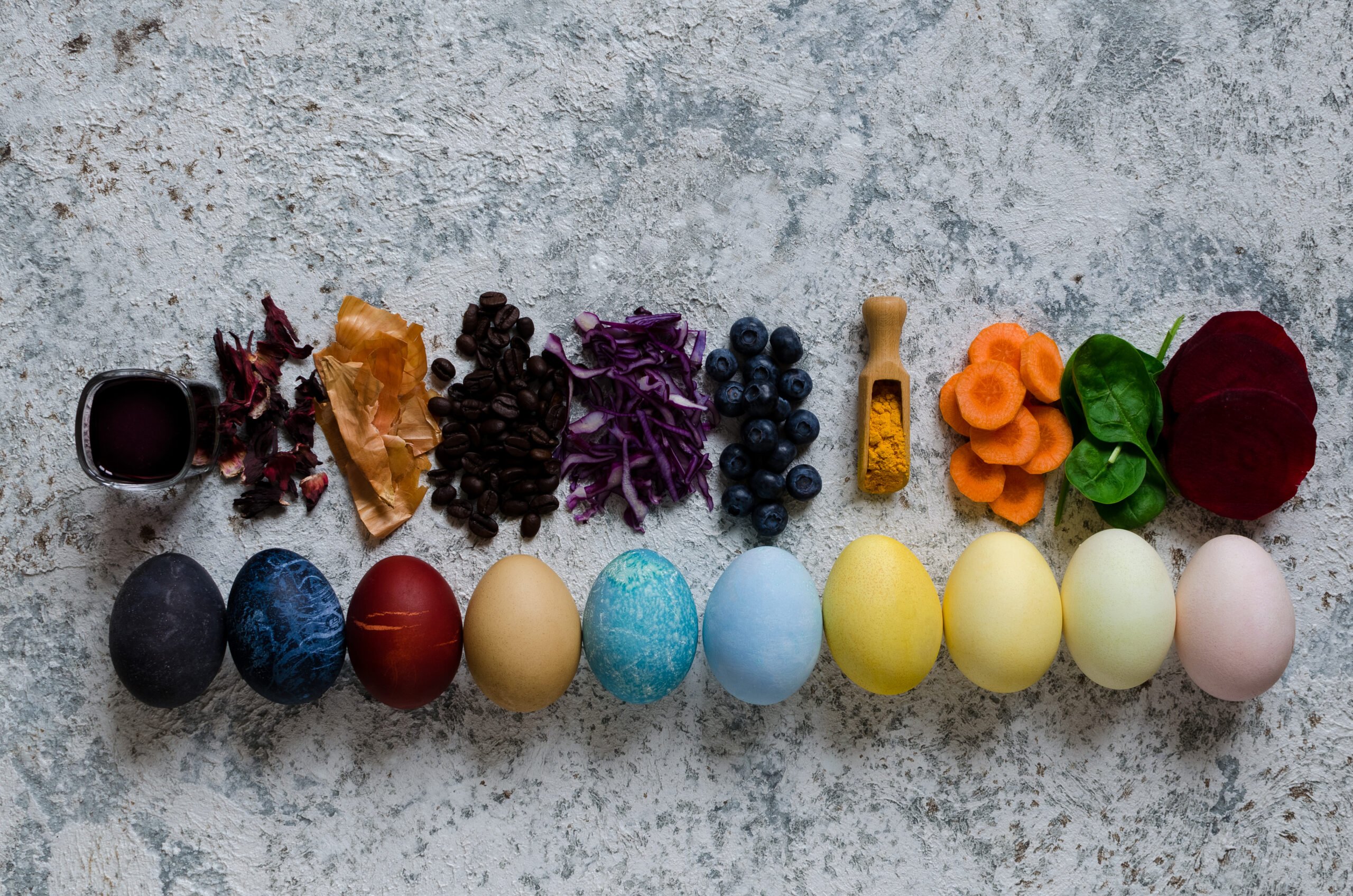
The replacement for artificial dyes depends on which dye is currently in the formulation. Looking at many of Nestle’s products, it appears that they use beet juice and vegetable juices instead of red dyes.
Follow The Coconut Mama
• For fun lists, healthy living tips, and bar conversation topics, make sure to follow The Coconut Mama. Click here to access The Coconut Mama’s profile page and be sure to hit the Follow button here or at the top of this article!
• Have feedback? Add a comment below!
Shutterstock

It seems like most of the dye-laden products are no longer under Nestle’s ownership (all of the candies with bright colors).
Beyond that, it’s hard to know which products Nestle owns that still have food dyes because they own SO many brands.
There are plenty of options for natural coloring available for all food and beverage brands to consider, so we’ll take a look at those next.
Shutterstock

In addition to beet juice concentrate, some natural red color sources that are ban-friendly include:
- Annatto (from the seeds of the annatto tree)
- Saffron
- Hibiscus
- Paprika
Shutterstock

There aren’t as many natural yellow dye options, but there are at least a couple:
- Turmeric
- Safflower
And finally, blue dye options:
- Spirulina Algae
- Red cabbage
- Butterfly pea flower extract
Shutterstock

In addition to Nestle, other big brands like General Mills, Kellogg, and PepsiCo have announced their plans to remove food dyes from their products within the next couple of years.
Other brands are likely to do the same, and some states have even taken things into their own hands to ban dyes on a state-level…
Shutterstock
What do you think of the direction the United States is taking to ban food dyes? What do you think of Nestle’s announcement and the steps they’ve already taken regarding removing dyes? Join the discussion in the comments!
Shutterstock


Leave a Comment