America’s known for food that’s big, over the top, and maybe a little too good…
But in some of our most popular foods, there are ingredients that other countries just won’t allow. Whether it’s artificial dyes, preservatives, or oils that keep things shelf-stable for way too long, these additives have gotten certain American favorites banned overseas.
Let’s take a look at the popular foods you won’t find on shelves around the world (and why).
Follow The Coconut Mama
• For fun lists, healthy living tips, and bar conversation topics, make sure to follow The Coconut Mama. Click here to access The Coconut Mama’s profile page and be sure to hit the Follow button here or at the top of this article!
• Have feedback? Add a comment below!
Shutterstock
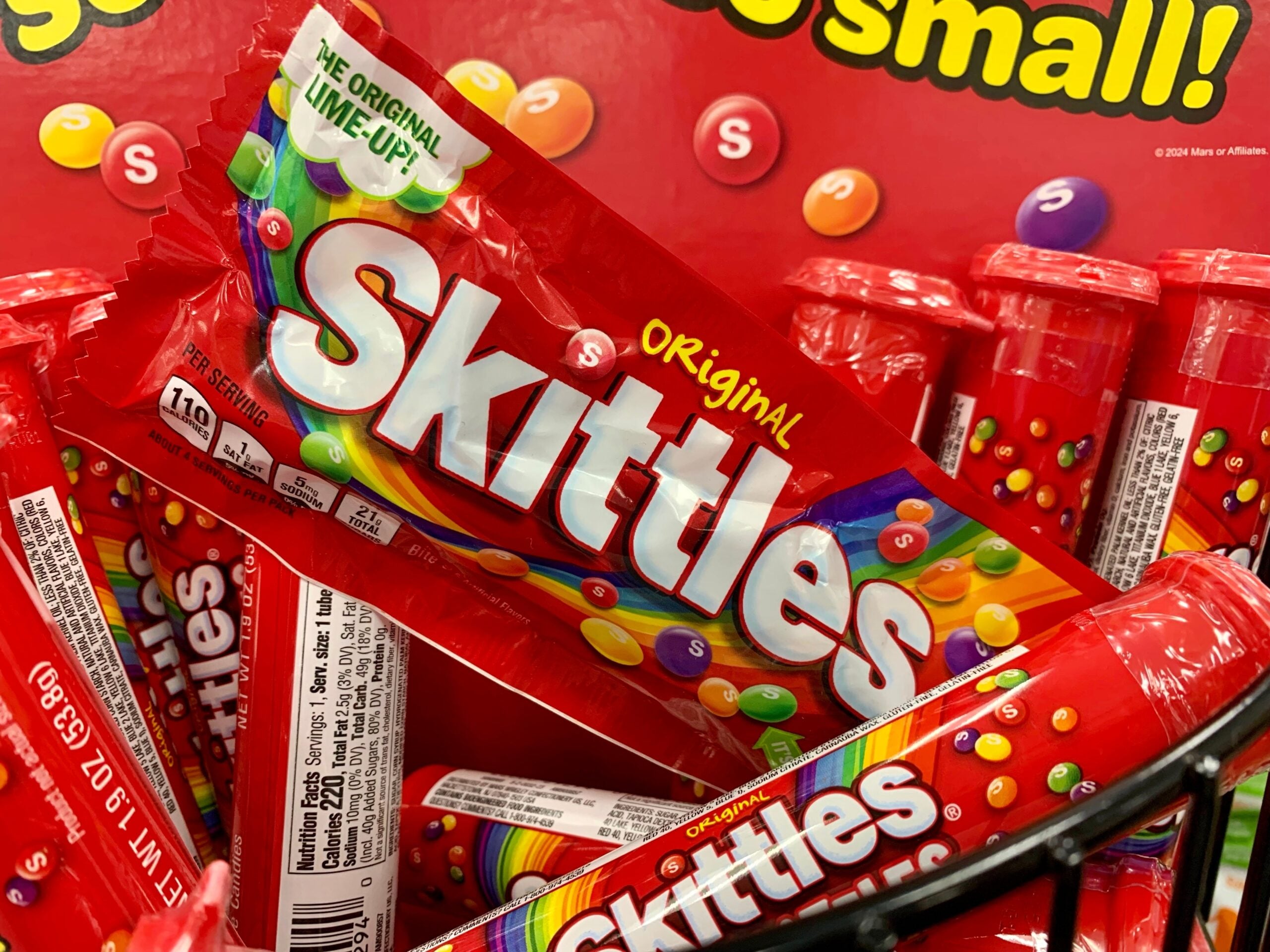
Taste the rainbow? Not in Europe. Skittles are off-limits in the EU because of artificial colors like Yellow 5, Yellow 6, and Red 40.
Skittles in the U.S. are no longer being made with titanium dioxide – a color additive that was banned in the European Union in 2022 – but the candy still doesn’t meet EU standards.
Ironically, Skittles were originally invented in the U.K. back in the 1970s, but the American version has evolved with a very different ingredient list.
Shutterstock
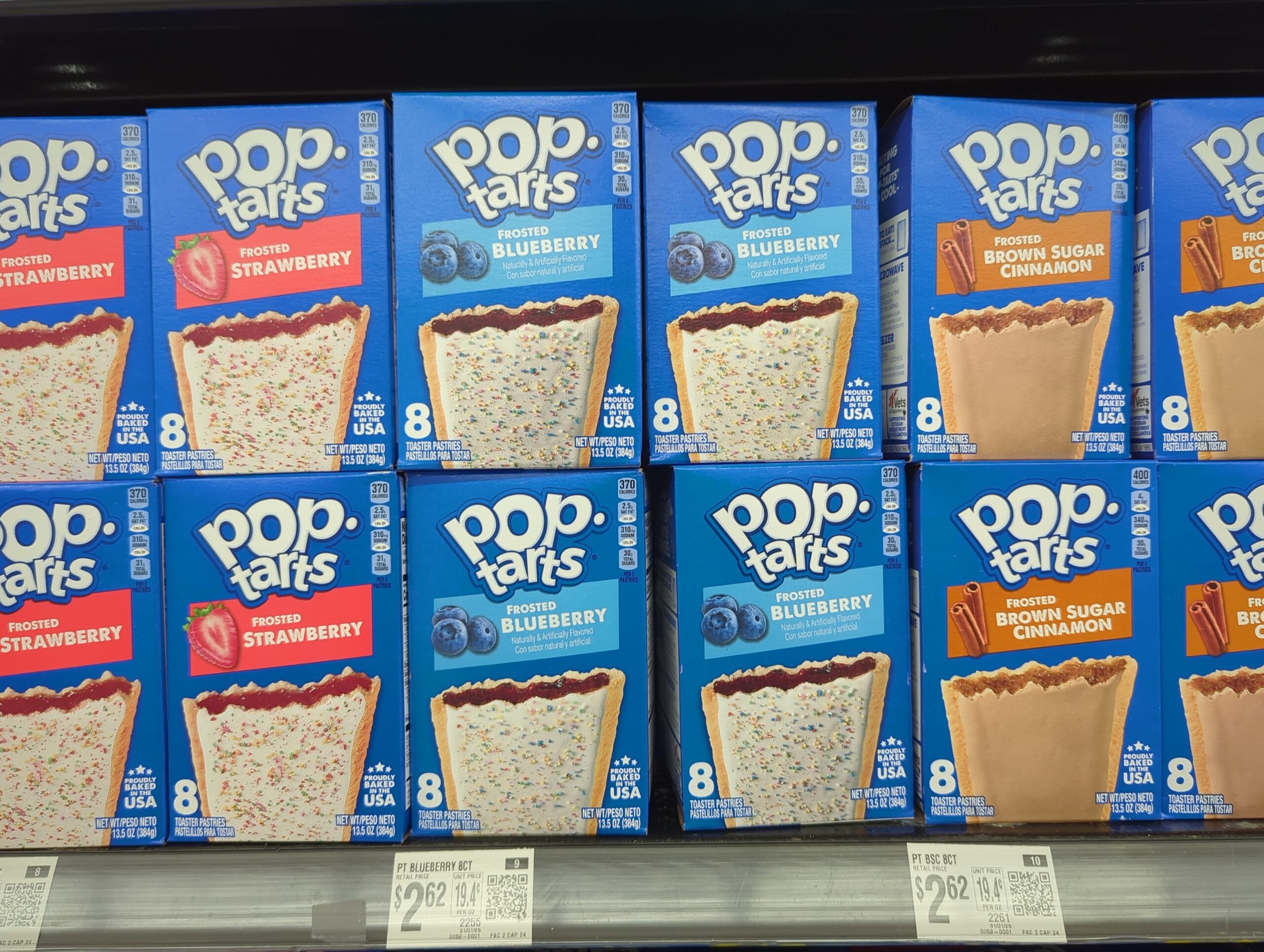
Pop-Tarts are so iconic. But in countries like Norway, Austria, and Finland, you won’t find them on shelves. Why? They contain dyes and the preservative BHT, both of which are banned in parts of Europe and Japan. When you see that frosting and sprinkles, you kind of get why.
Shutterstock
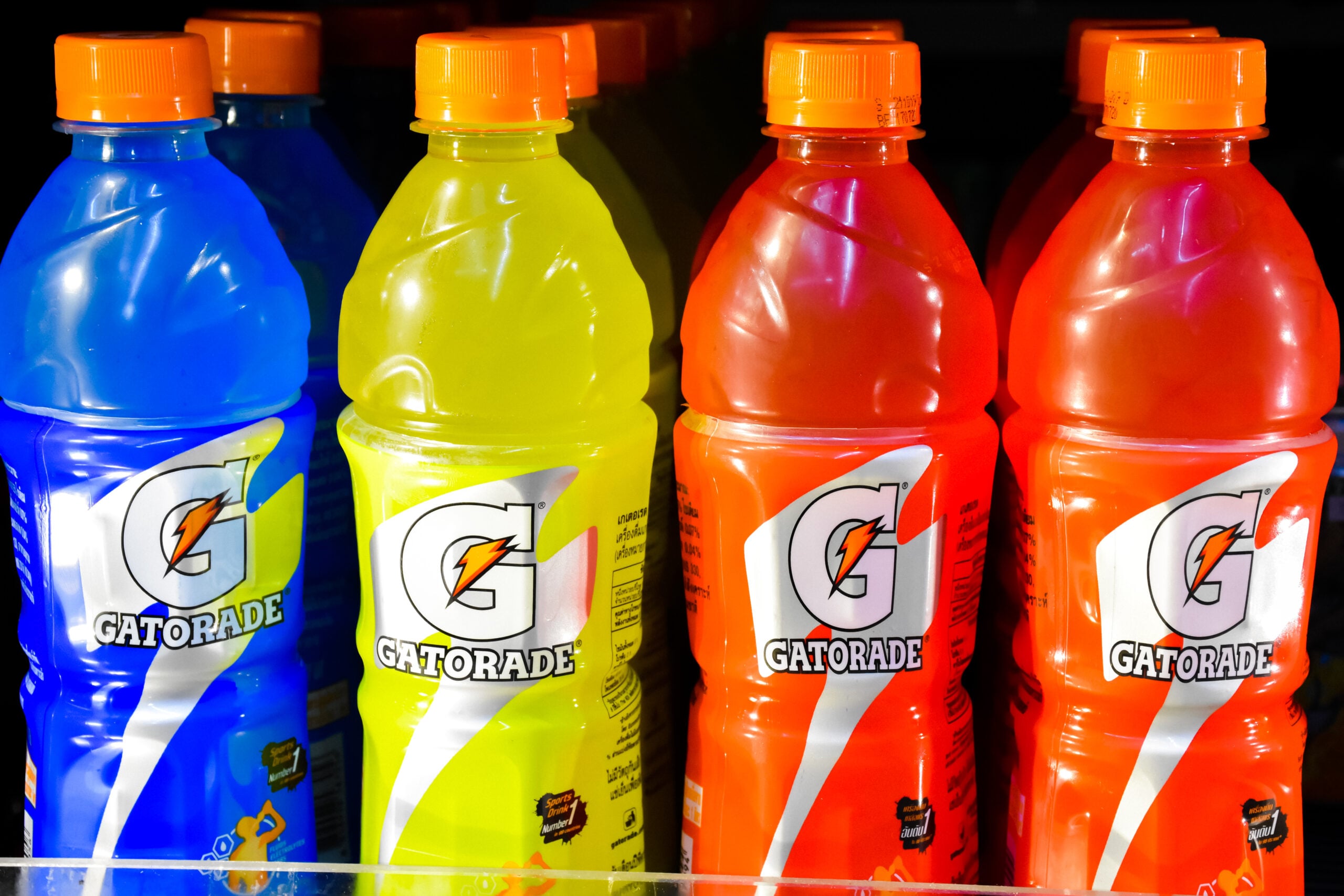
After a long day of being outside, or when you’re sick, there’s nothing like cracking open a cold Gatorade. But that classic neon look? It comes from artificial colors that are banned in parts of Europe. Gatorade also used to include BVO (brominated vegetable oil), which is not allowed in Europe or Japan. Even after reformulating, the drink still contains ingredients that keep it off shelves overseas.
Shutterstock
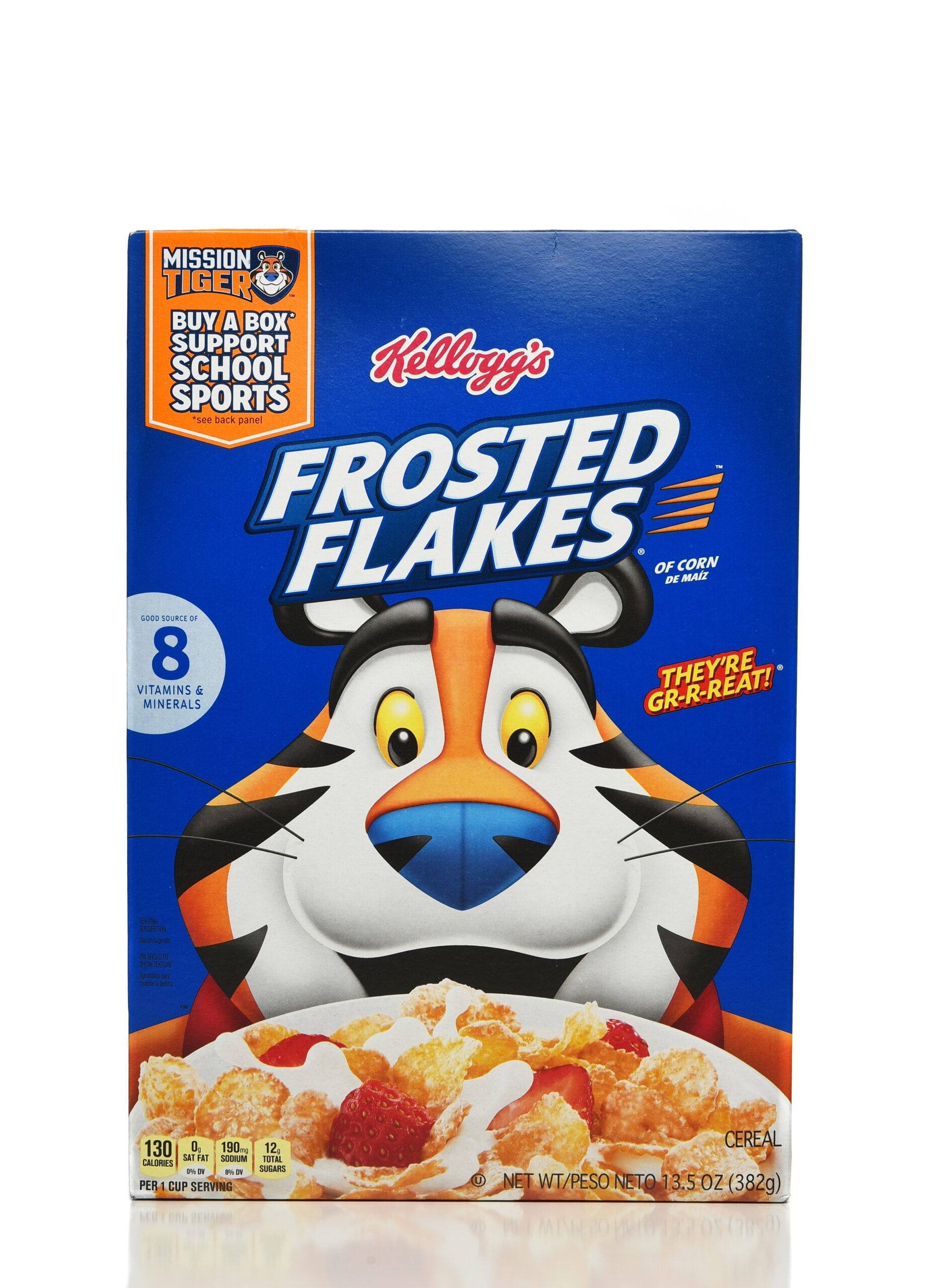
Tony the Tiger said they’re “grrreat,” and eight-year-old me would’ve agreed. I grew up on these. But they’re banned in the UK, Japan, and other countries because they contain BHT, a preservative that’s not approved in many places. Honestly, I think a lot of people are just now realizing how sneaky and overly processed cereals can be.
Shutterstock
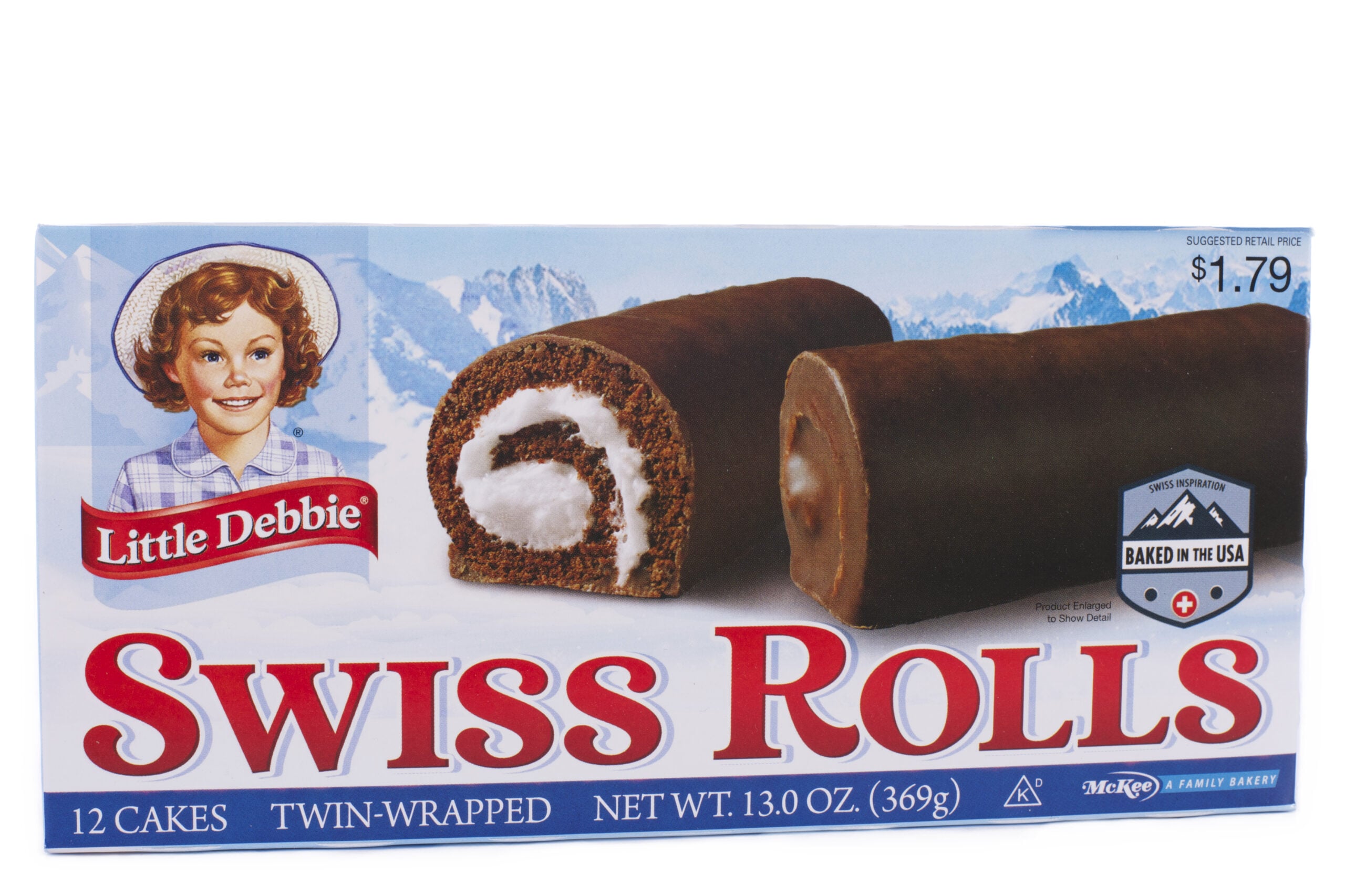
Soft, sweet, and kind of irresistible — but let’s be honest, they don’t exactly taste like real food. More like a memory of something sweet from childhood. These snack cakes are banned in the European Union because of the artificial colors they use, like Red 40 and Yellow 6, which are either banned or come with warning labels overseas.
Shutterstock
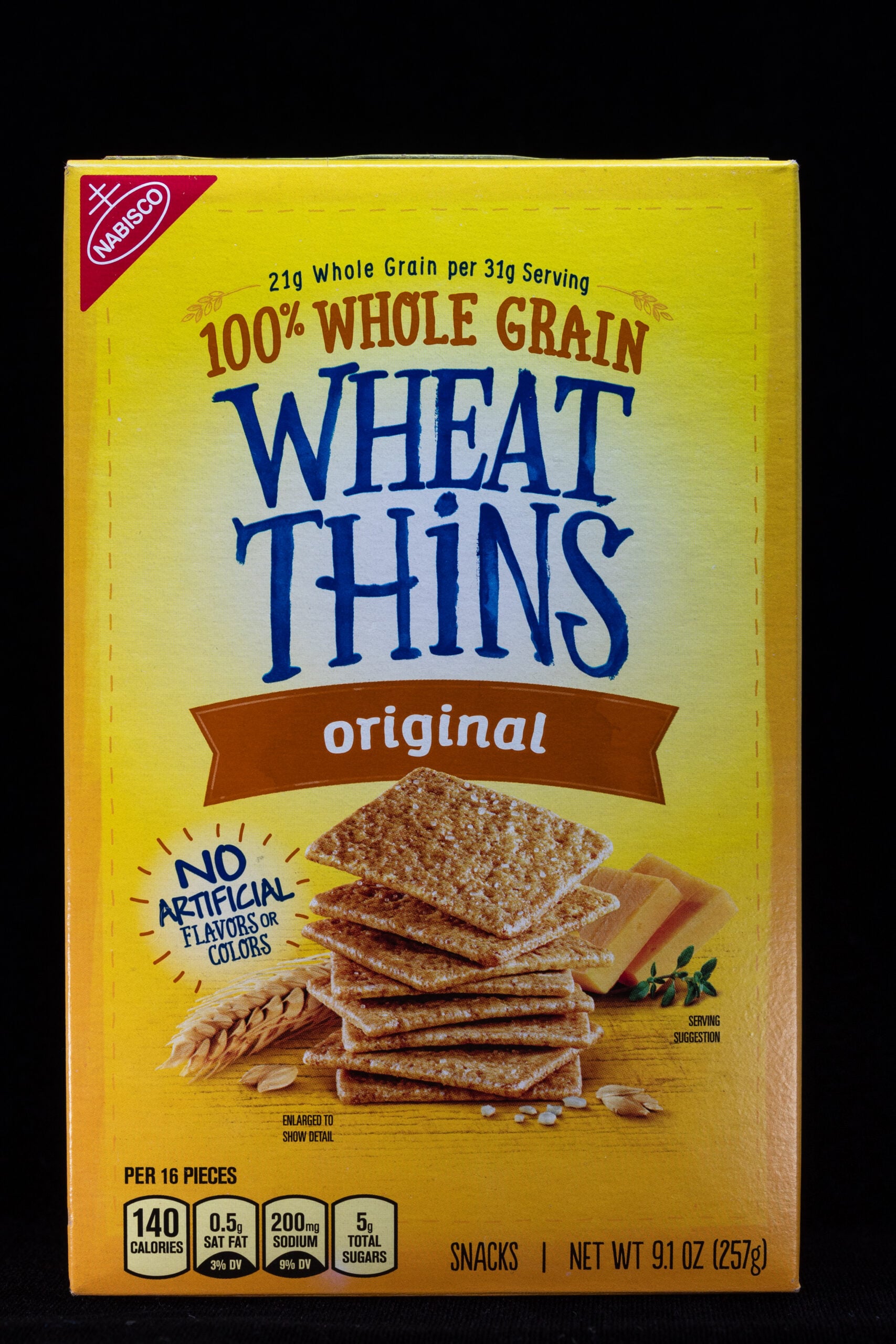
This one stings a little. I love Wheat Thins. But they’re banned in countries like the UK and Japan due to the use of BHT. It’s used in the U.S. to preserve freshness, but it’s not on the approved list in several other countries.
Shutterstock

RITZ are the cracker. But they’re banned in places like Switzerland, Denmark, and Austria due to the presence of partially hydrogenated oils – aka trans fats – which have been outlawed in many parts of the world. Honestly, that explains a lot. They’re almost too perfect.
Follow The Coconut Mama
• For fun lists, healthy living tips, and bar conversation topics, make sure to follow The Coconut Mama. Click here to access The Coconut Mama’s profile page and be sure to hit the Follow button here or at the top of this article!
• Have feedback? Add a comment below!
Shutterstock
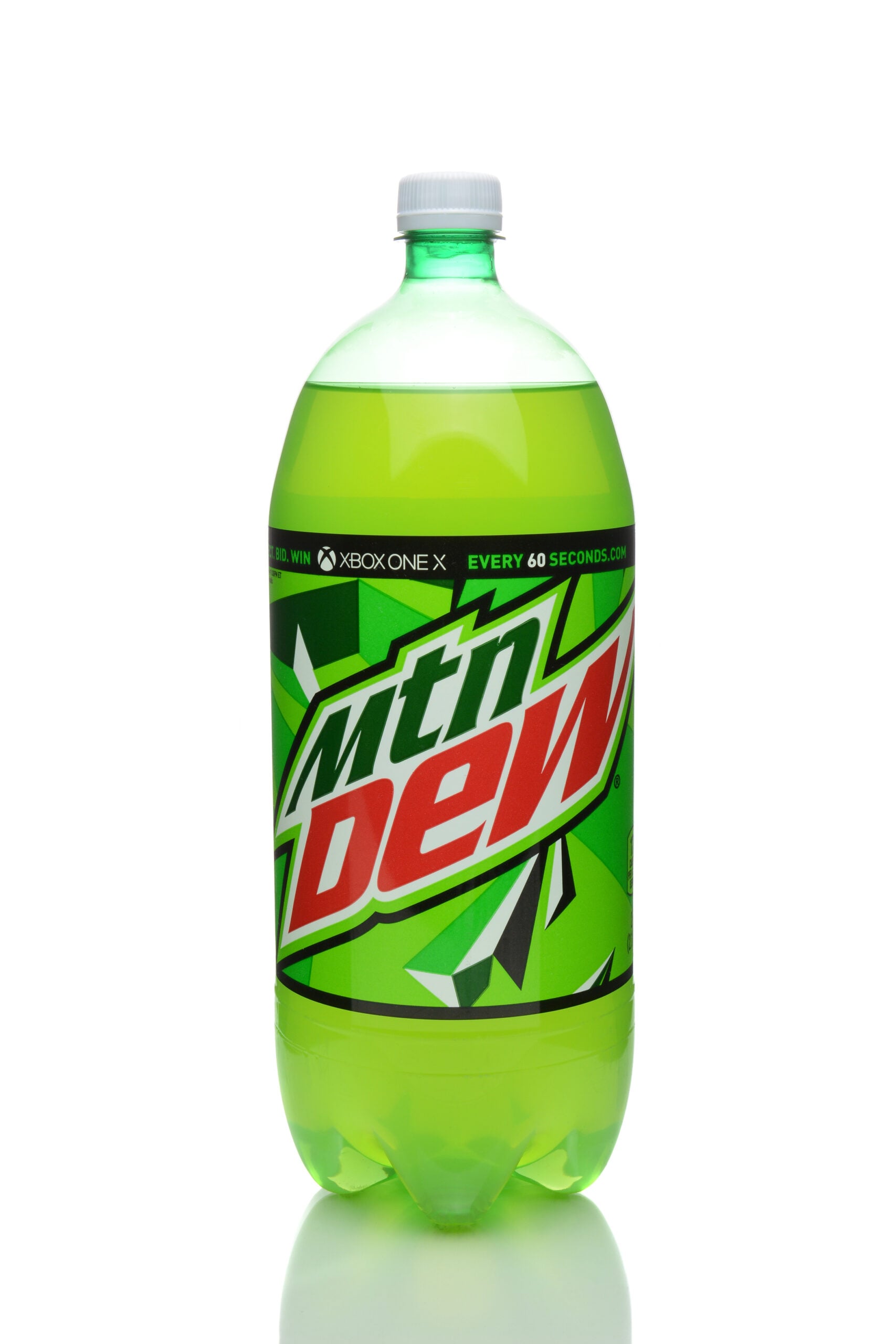
OK sure, no soda is exactly good for you… but Mountain Dew takes it to another level. It used to be made with BVO (brominated vegetable oil), which has been banned in the EU and Japan. Even though the U.S. version has since been reformulated, it still contains synthetic dyes like Yellow 5 – another ingredient that doesn’t fly in a lot of countries.
Shutterstock
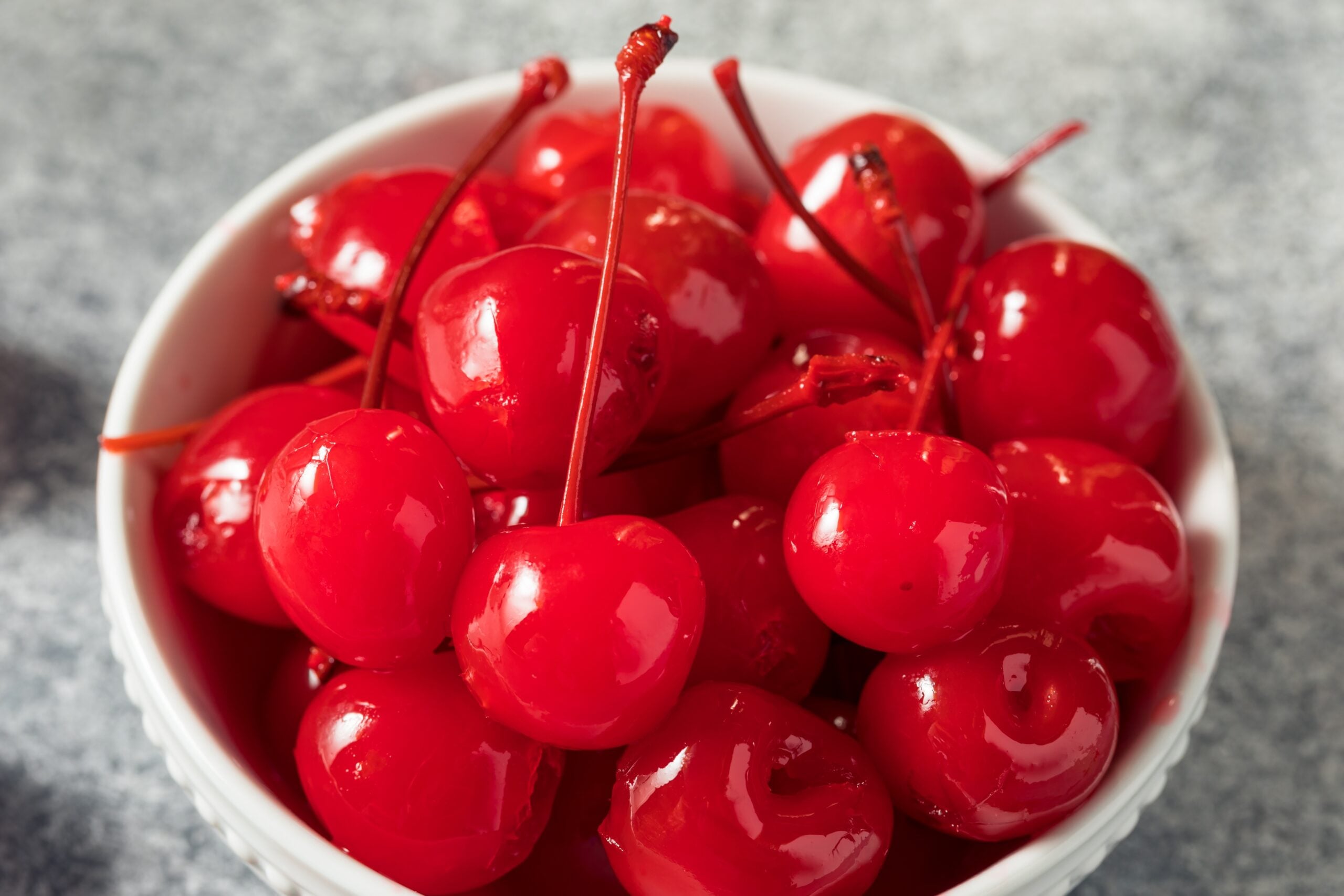
These always kind of freaked me out. Like… what are they? Technically cherries, sure – but after all that dyeing, bleaching, and syrup soaking, they’re basically unrecognizable. In the U.S., they’re often made with Red 40 and preserved with additives like sodium benzoate – both of which are banned or restricted in countries like the U.K. and across parts of Europe.
Shutterstock

I used to love flavored creamers in my coffee — they’re just so good. But I made the switch to plain whole milk a few years ago, and honestly? I’ll never go back. Coffee-Mate is wildly popular in the U.S., but it’s banned in countries like Austria, Hungary, Norway, and Denmark because it contains partially hydrogenated oils (aka trans fats), which have been phased out in many places.
Shutterstock
So there you have it – ten popular American foods that are banned in other parts of the world.
Basically, if something seems super processed… it probably is.
But what do you think – did any of these surprise you? And how do you feel about the fact that these are allowed here, but not in other countries?
Let me know in the comments!
Shutterstock