
Can sugar be canned?
The concept of the preservation of sugar in canning is one that pops up often among home canners. However, it’s a bit of a misnomer.
You see, sugar can’t really be canned – and there’s not really any good reason to do it, since this is an exceptionally shelf-stable product.
So why do people ask this question? It all has to do with the role that sugar plays in the canning process, one that’s often deeply misunderstood.
From fruit jams to candied citrus, sugar undeniably plays a starring role in food preservation – but perhaps not quite the role you thought it did.
Let’s take a look.
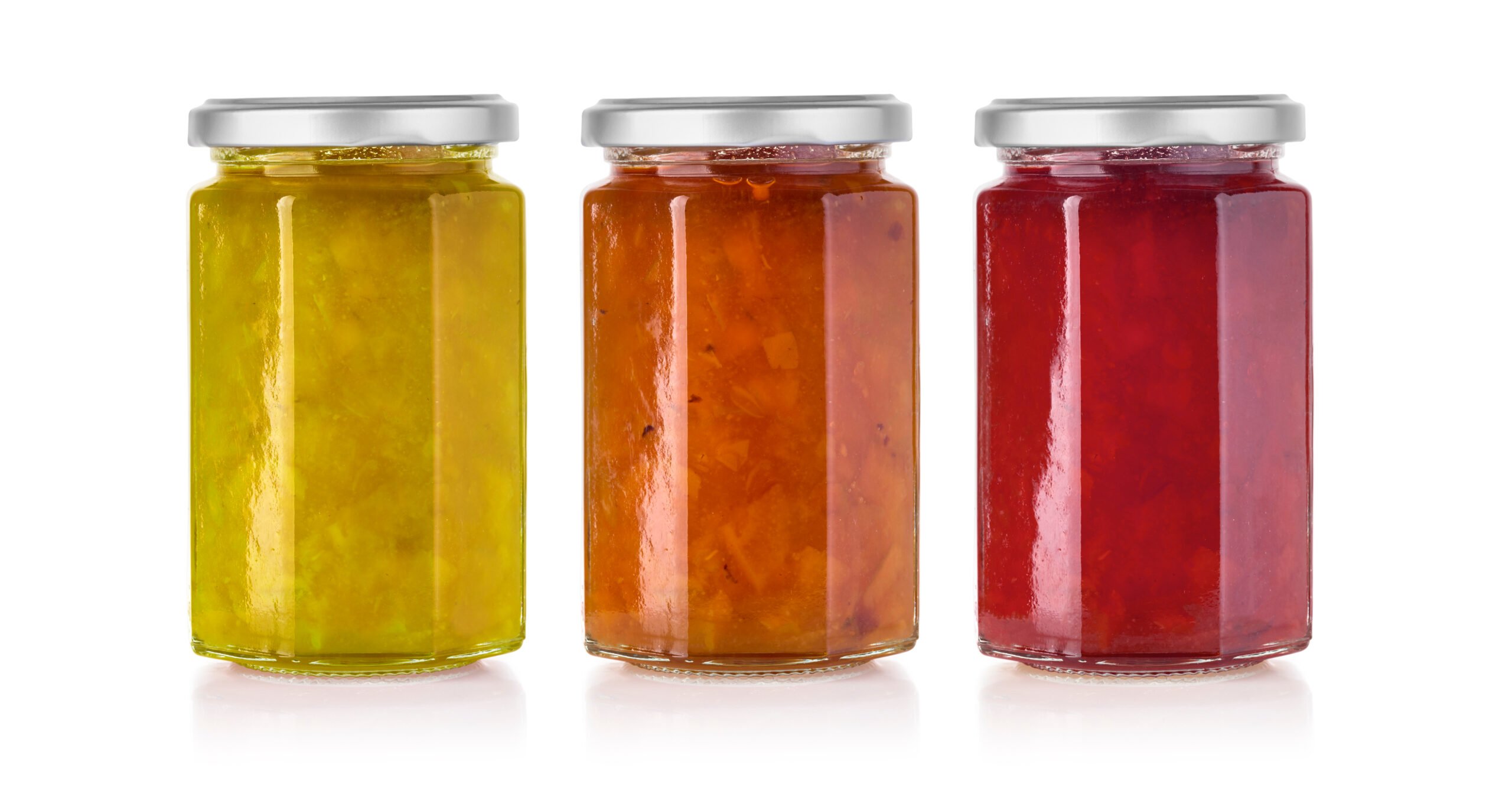
Can Sugar Be Canned?
The straightforward answer to ‘can sugar be canned’ is – no. However, the real question is more complex. Sugar in its isolated crystalline form, like its fellow sweet subordinates, does not require the canning process for preservation. It is best stored away from moisture, in a container that is airtight, light-proof, and absolutely impervious to odors.
If you want to preserve sugar, the simple solution is just to stick it on the shelf. Put your sugar in a storage container that’s airtight, opaque, and both moisture and odor proof. The paper package sugar is typically sold in is okay for short-term use, but ideally, you should be stashing sugar in glass jars, polyethylene bags, or food-grade plastic buckets for the long-term. This will help prevent moisture.
The canning process, which also removes oxygen, is not required and not recommended. So you can feel free to skip that process!
Why is Sugar Used in Canning?
So why is sugar used in canning?
Sugar is a multifaceted element in canning, with effects that reach beyond mere taste. It acts as a preservative by binding free water, essential for any microorganism’s life, thereby reducing the water activity in the food product.
This is critical as a host of bacteria, yeast, and molds depend on water for their proliferation. The process, known as osmotic dehydration, involves the use of high concentrations of sugar to draw out water from microbial cells, effectively causing dehydration and preventing spoilage.
Beyond its preservative role, sugar is a power player in texture and color retention. It maintains or enhances the original state of the food, extending shelf life while presenting the eye-catching vibrancy of fresh fruits and vegetables.
In jams and jellies, it teams up with pectin to create that luscious gel for a perfectly spreadable indulgence every time.
There’s a bit of a paradox here, however. Sugar, despite helping to preserve the food in the jar, can also attract moisture, ferment, or harden up when not used properly. The common misconception is that sugar is the primary element that keeps canned foods safe.
While it contributes to the overall preservation, it’s not the knight in shining armor that some think it is. Acid content, bacterial spoilage, brine strength, and temperature play equally critical roles in food safety. Sugar is a support player, not the star of the show when it comes to keeping your canned goods out of the danger zone.
Is Sugar a Preservative in Canning?
When it comes to the question of whether sugar is a preservative in canning, it really depends on what you’re canning.
Again, in the most general sense, all talk of canning aside, sugar acts as a preservative through osmosis, drawing water out of the microbial cells and food itself, effectively reducing water activity. This is a critical step in food preservation because less available water means inhibited microbial growth.
Dehydration, as a preserving mechanism, also comes into play with sugared fruits, jerky, and some syrup-based canned items. But that’s a topic for another post – we’re talking just about canning here.
The humectant nature of sugar doesn’t just keep things moist – ironically, it also contributes to the drying out of microbial cells by stripping water from them. This dual-action makes sugary preserves an inhospitable environment for spoilage.
And in the context of jam and jelly, sugar doesn’t just set the gel for the sake of consistency. It also locks in the preserved state of the fruit by binding water, preventing fermentation, and making a microbial no man’s land.
In some recipes, the sheer volume of sugar isn’t for flavor but for preservation. Large amounts of sugar inhibit microbial activity to such an extent that they’re deemed safe, in some cases, as natural preservatives with canning. It’s a fine balance to strike, however, as recipes designed with these quantities often can’t be modified without risking spoilage.
While honey, corn syrup, and brown sugar can mimic the preserving effects of granulated sugar, they aren’t always direct one-to-one replacements. These substitutes can impact not only the flavor but also the preserving characteristics of a recipe, often necessitating adjustments to safely can using them.
Can I Safely Reduce Sugar in a Canning Recipe?
Some people, particularly those who have health issues like diabetes, often ask if they can reduce the amount of sugar in a canning recipe without suffering any ill effects.
In most cases, the answer is yes – but again, read the recipe. You’ll want to make sure the sugar that’s being included in your recipe is there for taste and not for any preservation benefits.
If you’re canning without sugar, your liquid choice becomes that much more vital. Using extracts or juices from the fruits you’re canning can create unique, complementary flavors without the need for added sugar. Be mindful of this, however, as certain options may soften the final product or alter its color and taste.
There might be other times when you want to keep the recipe as sweet as possible, but perhaps without the added calories or carbohydrates. In that case, you may be able to use non-nutritive sweeteners like aspartame, sucralose, or saccharin – but you should do this after canning to avoid altering the consistency or safety of a recipe.
While these sweeteners offer a sweet taste, they don’t have any benefits as preservatives in most cases.
At the end of the day, remember the sugar isn’t in a recipe just for sweetness – it’s sometimes there for improving the texture or ensuring the safety. It’s not just about flavor, but about binding, dehydrating, coloring, and more.
Final Thoughts
Ultimately, the preservation of sugar in canning is a multifaceted issue. It’s not about preserving sugar, but rather, about what sugar can do for your canned recipes.
Canning isn’t just about sweetness – it’s about making sure your food stays safe. If you choose to eat foods without sugar, you may find that they have a softer texture and may not be quite as safe, depending on the recipe.
So embark on this journey with caution – and remember, always always use an approved recipe if you want to stay safe.
Links on this page may be affiliate links, for which the site earns a small commission, but the price for you is the same



Leave a Comment