

Between fall 2024 and August 2025, three major food and packaging facilities in Washington shut their doors – one after another.
This wasn’t some slow-moving trend. It was a rapid unraveling.
Factories that had stood for decades suddenly went dark.
And now entire towns are feeling the aftershocks.
Let’s break it down, one by one…
Follow The Coconut Mama
• For fun lists, healthy living tips, and bar conversation topics, make sure to follow The Coconut Mama. Click here to access The Coconut Mama’s profile page and be sure to hit the Follow button here or at the top of this article!
• Have feedback? Add a comment below!
Shutterstock
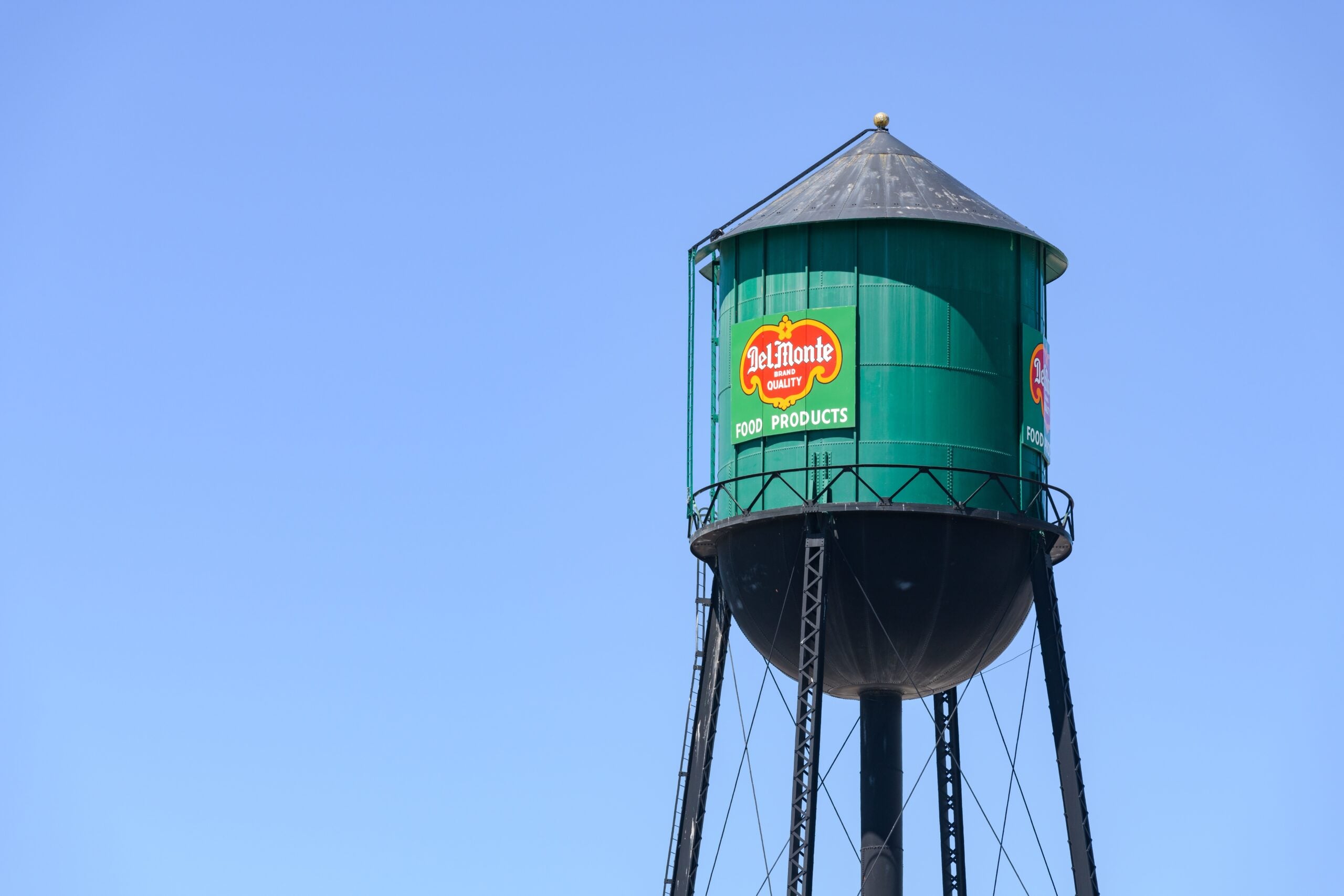
In early June 2025, Del Monte Foods announced it would permanently close its processing plant in Yakima and two nearby warehouses in Wapato.
This eliminates 51 full‑time roles and 448 seasonal positions, and means no fruit packing at that site for the 2025 season.
Shutterstock
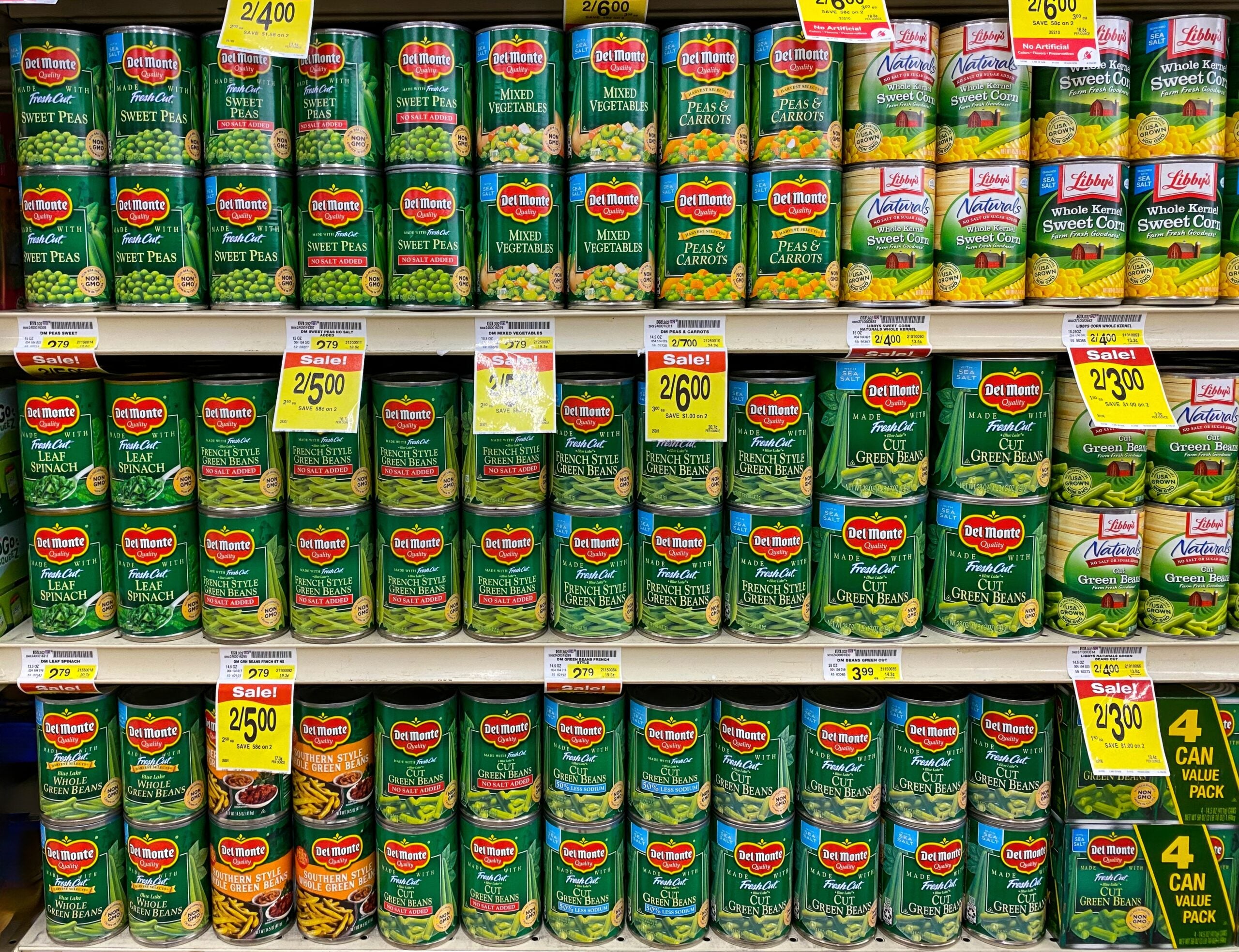
Del Monte said the Yakima and Wapato closures were part of a plan to “optimize” operations in response to shifting consumer demand, especially for canned pears.
In plain terms: people just aren’t buying canned fruit like they used to.
Frozen and fresh options are now the go-to for younger shoppers, while traditional pantry staples like canned pears have fallen out of favor.
This wasn’t the company’s first move, either… Del Monte already closed its Toppenish site in March 2024, cutting 127 more jobs in the Yakima Valley.
Shutterstock
In July 2025, Del Monte filed for Chapter 11 bankruptcy and revealed it had secured about $1.08 billion to support ongoing operations, including its pack season.
The Yakima closures are part of its broader restructuring plan.
Shutterstock
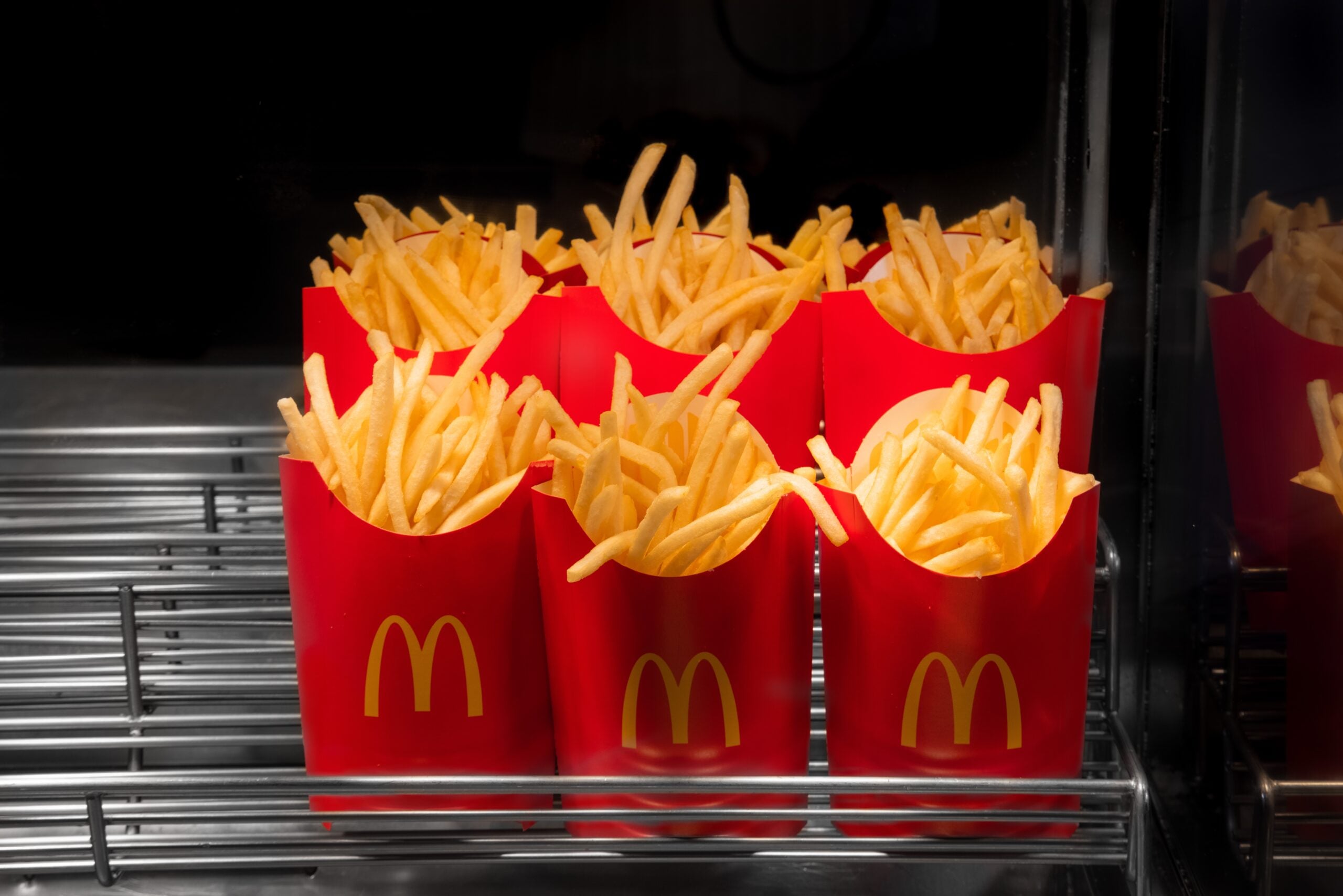
Lamb Weston – the largest frozen French fry producer in North America – closed its plant in Connell, WA at the end of 2024, eliminating around 375 to 400 jobs.
The site had been a key supplier for major fast-food chains, including McDonald’s (which alone makes up 13% of Lamb Weston’s sales).
Shutterstock
Lamb Weston blamed the shutdown on slowing demand from restaurants, especially fast food chains.
Inflation has made eating out more expensive, and people are trimming their orders – skipping fries, downsizing combos, or opting for value menus.
The result? Oversupply. Lamb Weston took an $85 million write-down due to a mountain of unsold potatoes.
Fewer fries sold means less need for production, and Connell got cut.
Shutterstock

Earlier this year, Lamb Weston was hit with a class-action lawsuit over missed rest and meal breaks at several Washington plants, including Connell.
Workers say they went hours without proper breaks, weren’t paid for overtime, and got shorted on final pay.
The case could cost the company up to $14 million in damages and legal fees.
Lamb Weston denies wrongdoing, but it’s another headache during an already painful restructuring.
Shutterstock
So, what happens to the empty facility?
Lamb Weston has listed the former Connell site for $30 million as the town scrambles to attract new tenants.
Local officials in Connell and Pasco are actively involved in redevelopment efforts for the shuttered site.
Follow The Coconut Mama
• For fun lists, healthy living tips, and bar conversation topics, make sure to follow The Coconut Mama. Click here to access The Coconut Mama’s profile page and be sure to hit the Follow button here or at the top of this article!
• Have feedback? Add a comment below!
Shutterstock
On August 1, 2025, Hood Packaging will permanently close its Vancouver, Washington facility – ending nearly 80 years of local operation.
The company filed a WARN notice in June confirming the closure and the loss of 94 jobs.
Here’s why this matters…
Shutterstock
This facility produced multi-wall paper bags used for everything from flour, sugar, and cereal to snack foods and dry goods.
That’s the stuff food companies can’t ship without.
When a packaging plant shuts down, it doesn’t just hurt the workers – it affects food producers, suppliers, timelines, and grocery shelves.
Hood is consolidating operations elsewhere, likely in lower-cost Southern states, but they haven’t said much publicly.
Shutterstock

Across all three closures, drivers include:
– Aging plants inefficient in the face of automation and consolidation
– Consumer shifts (less canned fruit, fewer fries)
– Rising costs in Washington vs. lower‑cost neighboring states
– Pressures to streamline operations and reduce headcount
These moves are part of pandemic‑era shifts still playing out today.
Shutterstock

These closures don’t stop at job losses. They ripple:
– Local retailers lose foot traffic
– Tax bases shrink
– Farmers lose buyers
– Supply timelines stretch
Communities like Yakima, Connell, and Vancouver now face rebuilding challenges.
Shutterstock

These companies aren’t vanishing completely, but they are shifting their strategies.
Lamb Weston is pouring money into high-tech expansions in Idaho and Oregon, where costs are lower and facilities are newer.
Del Monte, while operating under Chapter 11 bankruptcy, is keeping other plants open in California and the Midwest as it restructures and looks to stabilize its U.S. business.
Hood Packaging is consolidating away from the Northwest, likely eyeing Southern states with cheaper labor and energy.
Shutterstock

Washington lost three facilities that served very different but interconnected parts of the food ecosystem: canned fruit and vegetables, frozen fries, and packaging.
Together, around 1,000 jobs are being eliminated, many in sectors already struggling with slow demand and automation.
It’s clear: this isn’t just job loss. It’s systemic change.
And Washington may need new strategies to keep up.
Shutterstock

Have you noticed local prices shifting?
Has your community felt any of these impacts yet?
Share your thoughts in the comments, we’d love to hear your firsthand perspective!
Shutterstock


Leave a Comment