
There are all kinds of ways to make vegan cheese alternatives out there, made from everything from nuts to seeds, but one non-dairy cheese that isn’t much talked about is coconut milk cheese.
Rich, creamy, and bursting with coconut flavor, coconut milk cheese is easily one of the best options out there for dairy substitutes.
However, instead of hunting high and low to find it at the store, why not learn how to make it yourself?
How Can I Use My Homemade Coconut Milk Cheese?
Coconut milk cheese is an excellent replacement for regular dairy cheese for those who are trying to stick to veganism or just those who are intolerant to dairy.
You can cut it into slices and enjoy it as a snack or as a filling for a sandwich, or you can even melt it and turn it into a cheese sauce! Since it doesn’t have the same graininess that most hard cheeses have when you melt them, it is actually a little bit more versatile than regular cheese!
What Kind Of Special Equipment Do I Need To Make Coconut Milk Cheese?
Making coconut cheese is as simple as heating coconut milk and adding all of your thickening and flavoring ingredients, so you really only need a pot!
However, if you are looking to make a firmer coconut milk cheese, you might consider getting a cheesecloth to more easily strain the coconut milk liquids out of the solids, creating a dense, firmer cheese.
Ingredients
1 can of Coconut Milk
2 tbs Thickener (gelatin or agar agar)
2 tsp Vinegar (or 60ml of pickle/sauerkraut juice)
1 tsp Garlic powder
1 tsp Onion powder
1 tsp Salt
4 tbsp Nutritional Yeast

How To Make Coconut Milk Cheese
Step 1 – Shake your can of coconut milk, then combine with all of your ingredients except the vinegar and the thickening agent.
Step 2 – Heat this mixture in a saucepan until it reaches a bare simmer, and then switch the burner to low and cook gently for 5 minutes, whisking frequently.

Step 3 – After 5 minutes, add the vinegar and your thickening agent of choice slowly, whisking to incorporate.
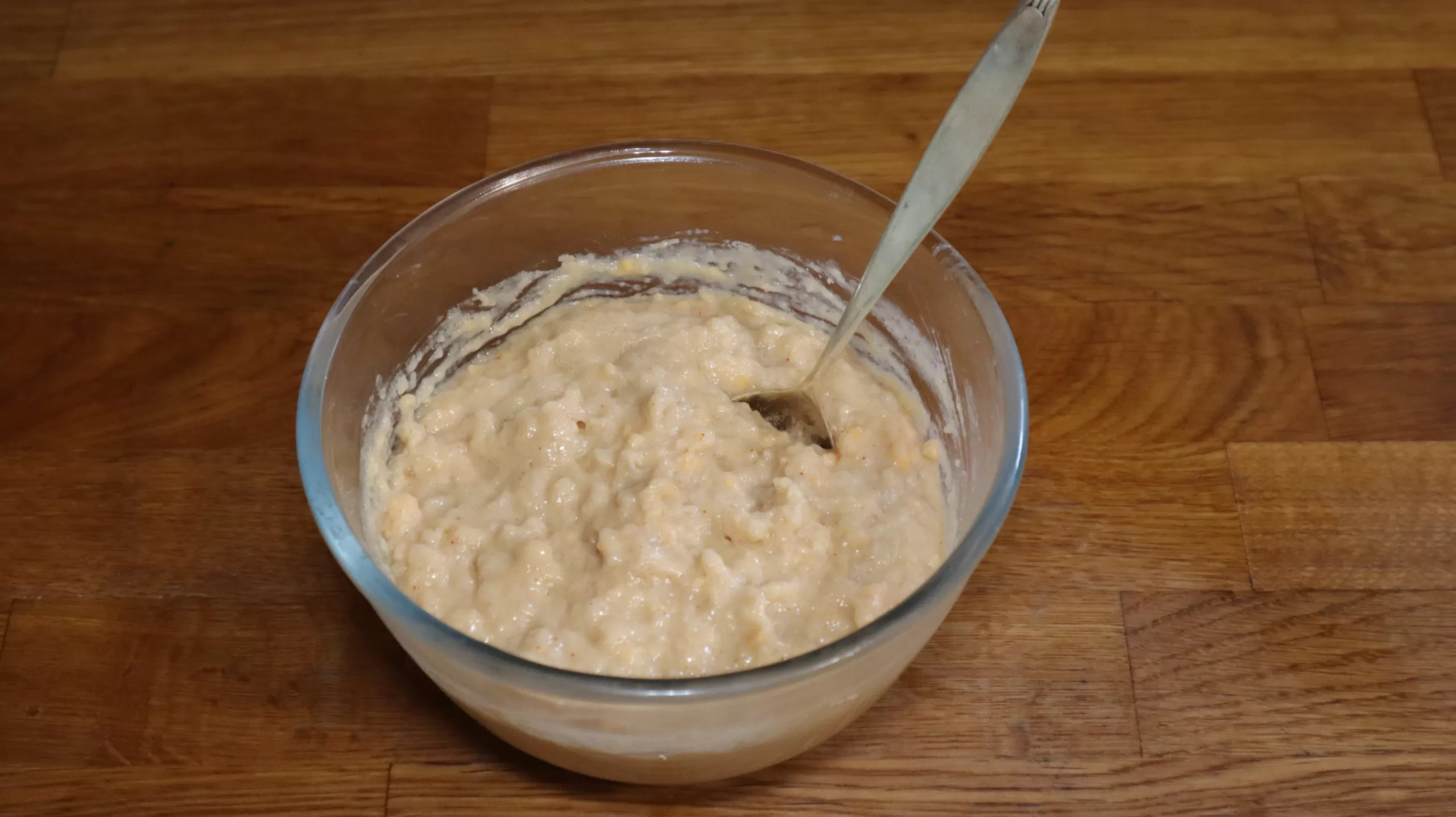
Step 4 – Simmer this mixture for 1 more minute, and then transfer to a shaped bowl to cool.
Optionally, if you want a harder cheese:
Step 5 – Pour your mixture through a fine mesh strainer or a nut milk bag, and squeeze the leftover “whey” to leave behind the solid cheese.
Step 6 – Leave to cool for 3 hours on the counter, and then transfer to the fridge to cool overnight and store for up to 1 month.
Troubleshooting Tips
• If your coconut milk cheese is refusing to set properly, you might need to try and add more thickening agents. Though this recipe mentions using a set amount of whatever thickener you choose to use, you might need to adjust it based on what your coconut milk is doing; different humidity, different temperatures, and even different coconut milk brands will all affect how easily your cheese sets, so make sure to adjust as needed.
• If your coconut milk cheese doesn’t seem to have a pronounced or rich flavor base, you might find that you accidentally used low-fat coconut milk by accident. Make sure to only get the full-fat coconut milk for this recipe, as it is the fat in there that makes for all of the flavors.
Nutritional Facts
For the health-conscious out there, here are the nutritional details for 2 oz of coconut milk cheese.
Calories: 191
Total Fat: 14.9 grams
Saturated Fat: 12.8 grams
Cholesterol: 0 milligrams
Sodium: 602 milligrams
Total Carbohydrates: 11.9 grams
Dietary Fiber: 4.4 grams
Sugars: 2.4 grams
Protein: 6.4 gram
Potassium: 458 milligrams
FAQs
The key thing you need to add in order to acidify and curdle your coconut milk is any kind of significant acid. This recipe uses vinegar, but you can absolutely use any kind of acid you want.
Regular distilled vinegar will give a much cleaner flavor, but apple cider vinegar would give it a really pronounced, pleasant tang instead.
If you really want to go all out, try adding some pickle juice, especially if it is homemade. The combination of sweet and sour, with all of the flavoring ingredients of pickle juice, makes for an incredible coconut milk cheese.
This recipe uses a blend of nutritional yeast, garlic, and other spices to produce a savory, garlicky coconut milk cheese, but there is nothing stopping you from playing around with your flavorings and using whatever kind of seasonings you like!
Some cumin, paprika, and cayenne would definitely give this cheese a more Mexican feel, whereas turmeric, coriander seed, and a bit of asafoetida would make it taste West Indian! Play around with what you like and try multiple matches with different seasonings to figure out what you like best!
While you absolutely need to add a thickening agent to be able to turn your coconut milk into cheese, you can use whatever kind of thickening agent you prefer to reach your desired texture.
Gelatin is a common thickener, and while it does produce a gelatinous, almost silky smooth texture, it is most certainly not vegan, so you will need to for a few other options if want to stick to veganism.
Things like agar agar powder, arrowroot powder, or even a cornstarch slurry could be used, but make sure you are being careful not to use too much, or too little! Remember that everything will thicken pretty considerably in the fridge, so don’t just judge it based on how it looks in the pan.

How to Make Coconut Milk Cheese
Ingredients
1 can of Coconut Milk
2 tbs Thickener (gelatin or agar agar)
2 tsp Vinegar (or 60ml of pickle/sauerkraut juice)
1 tsp Garlic powder
1 tsp Onion powder
1 tsp Salt
4 tbsp Nutritional Yeast
Instructions
Step 1 – Shake your can of coconut milk, then combine with all of your ingredients except the vinegar and the thickening agent.
Step 2 – Heat this mixture in a saucepan until it reaches a bare simmer, and then switch the burner to low and cook gently for 5 minutes, whisking frequently.
Step 3 – After 5 minutes, add the vinegar and your thickening agent of choice slowly, whisking to incorporate.
Step 4 – Simmer this mixture for 1 more minute, and then transfer to a shaped bowl to cool.
Optionally, if you want a harder cheese:
Step 5 – Pour your mixture through a fine mesh strainer or a nut milk bag, and squeeze the leftover “whey” to leave behind the solid cheese.
Step 6 – Leave to cool for 3 hours on the counter, and then transfer to the fridge to cool overnight and store for up to 1 month.
Nutrition Facts
- Serving Size: 2 ounces


