
If you’re on the hunt for foods high in Vitamin B12, you’ve come to the right place.
Whether you’re trying to up your energy levels, boost your mood, or just ensure you’re getting enough of this essential nutrient, I’ve got you covered.
In this article, I’m going to break down the top foods rich in Vitamin B12, share some handy tips on how to maximize your intake, and even throw in a cheat sheet that you can bookmark for quick reference. Let’s dive in!
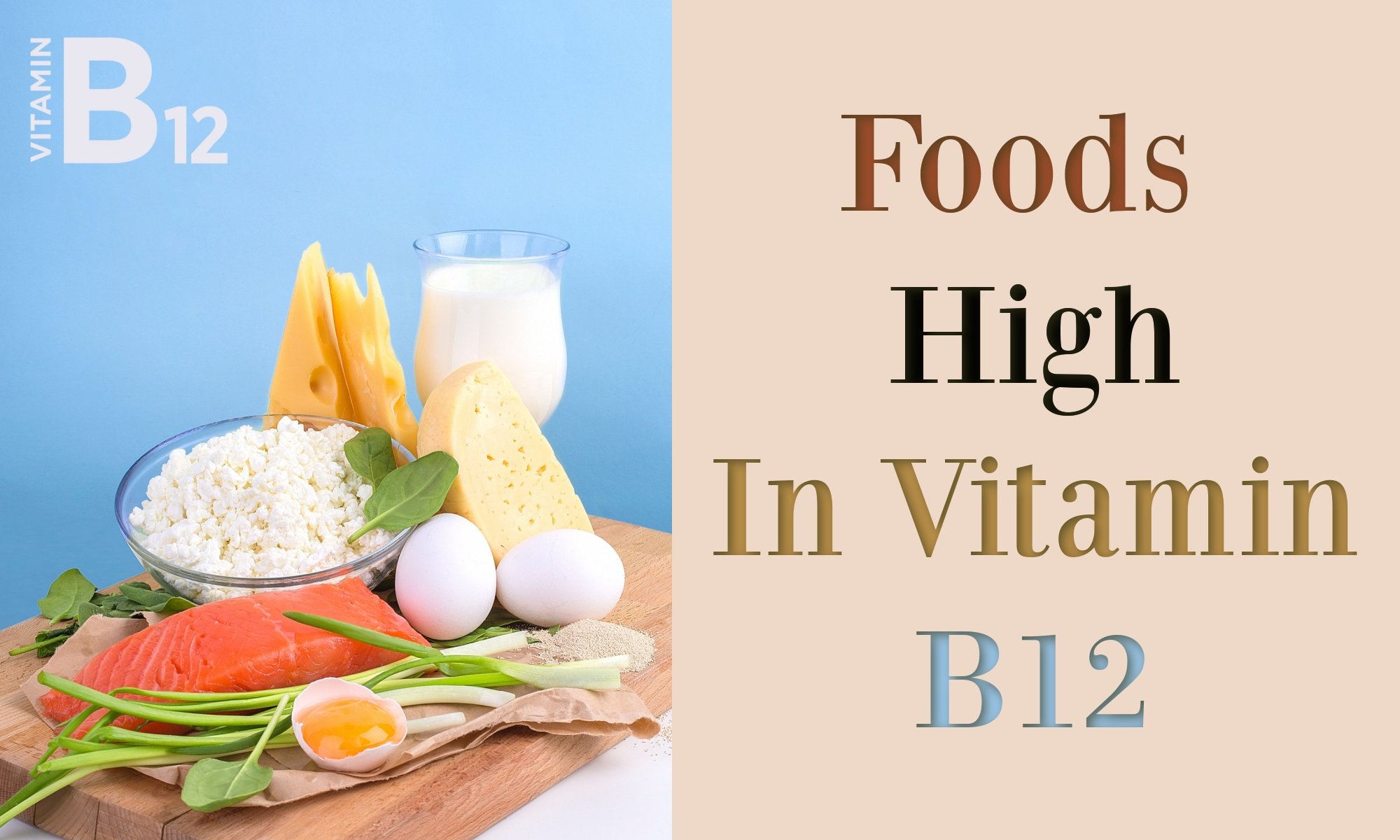
Top 10 vitamin B12-rich foods
Let’s jump right into the top 10 foods that are absolutely packed with vitamin B12:
- Beef liver – 70.7 mcg per 3 ounces
- Clams – 84.1 mcg per 3 ounces
- Sardines – 7.6 mcg per 3 ounces
- Fortified breakfast cereals – 6.0 mcg per serving
- Trout – 5.4 mcg per 3 ounces
- Salmon – 4.8 mcg per 3 ounces
- Tuna – 2.5 mcg per 3 ounces
- Fortified nutritional yeast – 2.4 mcg per serving
- Milk – 1.2 mcg per cup
- Eggs – 0.6 mcg per large egg
Vitamin B12-rich foods quick reference list
Animal Products: The best sources of Vitamin B12 are animal-based. Include foods like beef liver, clams, fish (like salmon and trout), poultry, eggs, and dairy products (milk, yogurt, cheese).
Fortified Foods: If you’re vegetarian or vegan, look for foods fortified with B12, such as plant-based milk, breakfast cereals, and nutritional yeast.
Here’s your go-to list of the richest sources of vitamin B12:
| Food Category | Examples |
| Organ Meats | Beef liver, lamb liver |
| Seafood | Clams, sardines, trout, salmon, tuna |
| Dairy Products | Milk, cheese, yogurt |
| Eggs | Chicken eggs, duck eggs |
| Fortified Foods | Breakfast cereals, nutritional yeast, plant-based milk (coconut, almond, oat, etc.) |
Foods high in vitamin B12
Here’s a more detailed list of foods rich in vitamin B12, broken down by category and amount per serving:
Organ Meats:
- Beef liver: 70.7 mcg per 3 ounces
- Lamb liver: 59.3 mcg per 3 ounces
Seafood:
- Clams: 84.1 mcg per 3 ounces
- Sardines: 7.6 mcg per 3 ounces
- Trout: 5.4 mcg per 3 ounces
- Salmon: 4.8 mcg per 3 ounces
- Tuna: 2.5 mcg per 3 ounces
Dairy Products:
- Milk: 1.2 mcg per cup
- Cheese: 0.9 mcg per ounce
- Yogurt: 1.1 mcg per cup
Eggs:
- Chicken eggs: 0.6 mcg per large egg
- Duck eggs: 0.9 mcg per large egg
Fortified Foods:
- Fortified breakfast cereals: 6.0 mcg per serving*
- Fortified nutritional yeast: 2.4 mcg per serving
- Plant-based milk: 1.2 mcg per serving**
*According to the USDA FoodData Central database, a typical serving (about 1 cup) of Total Whole Grain Cereal contains approximately 6 micrograms of vitamin B12, which is 250% of the daily value. Kellogg’s All-Bran Complete Wheat Flakes provides about 1.5 micrograms of vitamin B12 per serving, covering 60% of the daily value. General Mills Cheerios also offers a good amount, with around 1.2 micrograms per serving, contributing 50% of the daily value.
**A typical serving (1 cup) of fortified almond milk, like Silk Original Almond Milk, contains about 1.2 micrograms of vitamin B12, which is 50% of the daily value. So Delicious Coconut Milk is another popular brand, providing approximately 1 microgram of vitamin B12 per cup. Similarly, Oatly Oat Milk offers about 1.2 micrograms per cup. It’s important to check the labels, as the amount of vitamin B12 can vary between brands and even among different products from the same brand.
Quick tips to maximize vitamin B12 intake
Incorporating a variety of vitamin B12 sources, including both animal-based and fortified foods, is the first step.
Here are a few other things to keep in mind when trying to maximize your vitamin B12 intake:
- Pair with folate: Vitamin B12 works closely with folate (another B vitamin), so ensure you’re also getting enough folate through leafy greens, beans, and fortified grains.
- Opt for fortified options: If you’re vegetarian or vegan, make sure to include fortified foods like cereals and nutritional yeast in your diet to meet your B12 needs.
- Consider supplements: If you’re struggling to get enough B12 from food alone, supplements can be a reliable option, especially for those with dietary restrictions or who are following certain diets (such as vegan).
Note: If you’re unsure about your B12 intake or have specific dietary restrictions, it’s a good idea to talk to a healthcare provider. They can provide personalized advice and recommend the right dosage of supplements if needed.
Vitamin B12-rich recipes ideas
Here are a few recipe ideas that include foods that are high in vitamin B12:
- Liver and onions
- Tuna melt sandwich
- Bacon and egg breakfast muffins
- How to make coconut milk cheese
- Southwest keto baked salmon
FAQs
Clams are the highest, with 84.1 mcg of vitamin B12 per 3-ounce serving.
To raise B12 levels quickly, incorporate B12-rich foods like clams, beef liver, and fortified cereals into your diet, or consider taking a high-quality B12 supplement.
Unfortunately, fruits are not a good source of vitamin B12. For B12, focus on animal-based foods or fortified products.





Leave a Comment